Experiential learning is essential for bridging the gap between theory and real-world application. For Nathalie Boal, it has been a fundamental part of her learning experience and the foundation of her next step into graduate research.
Boal started her undergraduate journey at the University of Waterloo in Management Engineering, but her love of the outdoors led her to switch to Earth Sciences. She realized that a career that would allow her to earn a living being outdoors, while combining her knack for math and problem-solving with hands-on fieldwork, was what she really wanted.
Earth Science students choose their specialization in the second year, and thanks to having the required prerequisites, she was able to jump right into a hydrogeology specialization.
“Waterloo’s hydrogeology program is one of the best in Canada, and it has the perfect balance of engineering, math, and fulfills my passion for the outdoors,” Boal says. “Through the specialization, I gained experience in groundwater modelling, water security and mining applications.”
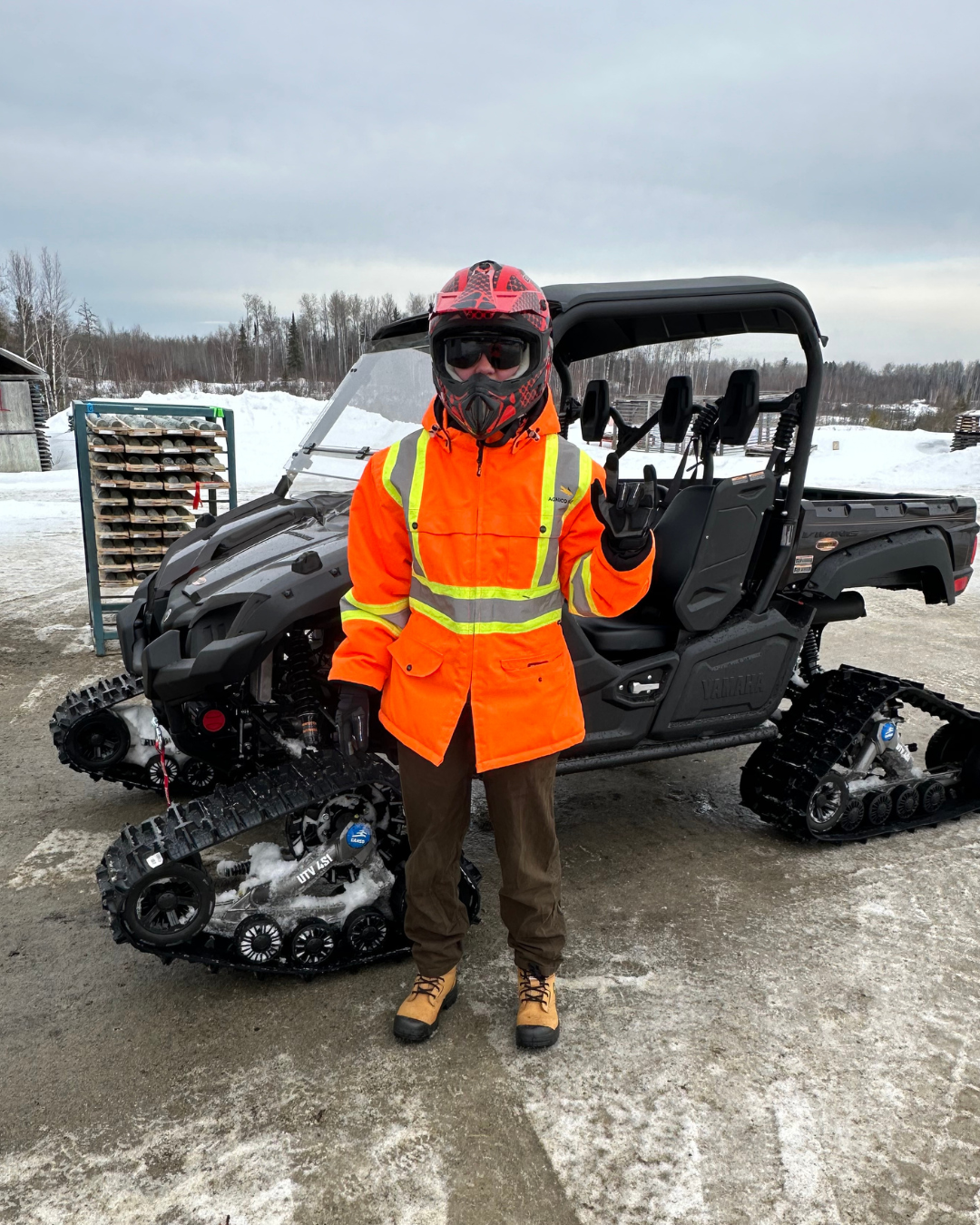
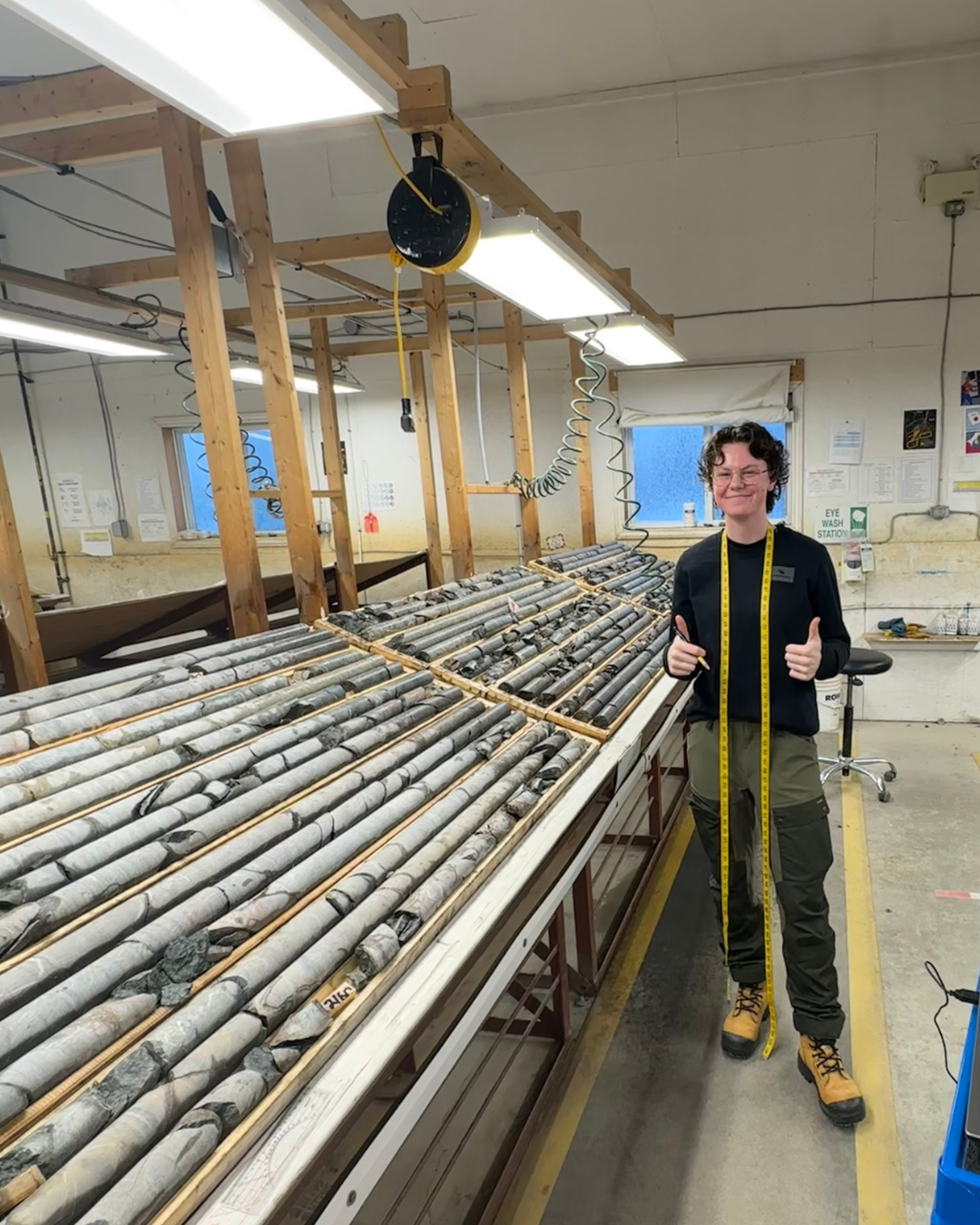
During her Earth Sciences degree, she completed co-op work terms in British Columbia, the Yukon, and various parts of Northern Ontario. Her first mining-related co-op brought her to Kirkland Lake in Northern Ontario, where she carried out core logging and immersed herself in hands-on geology.
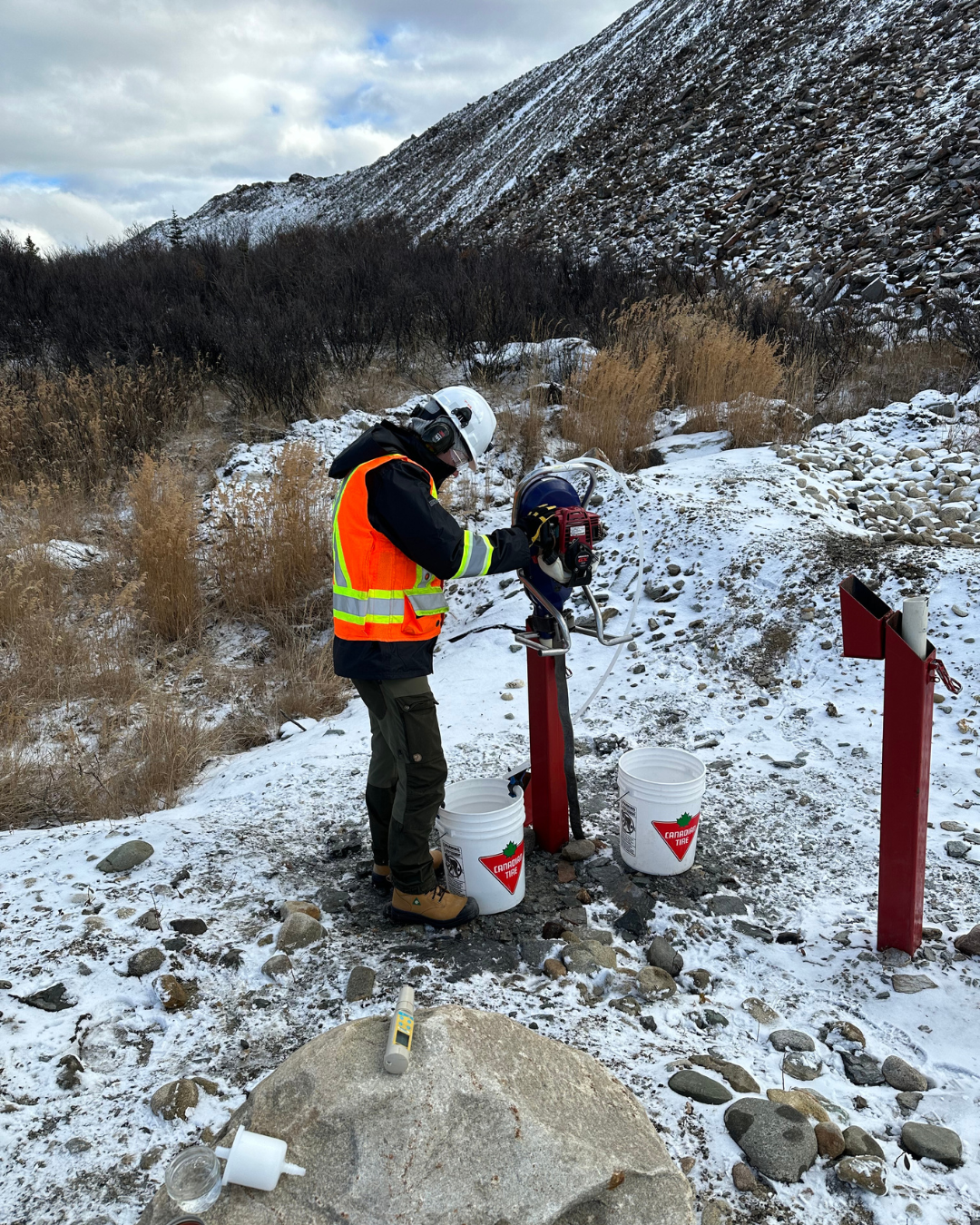
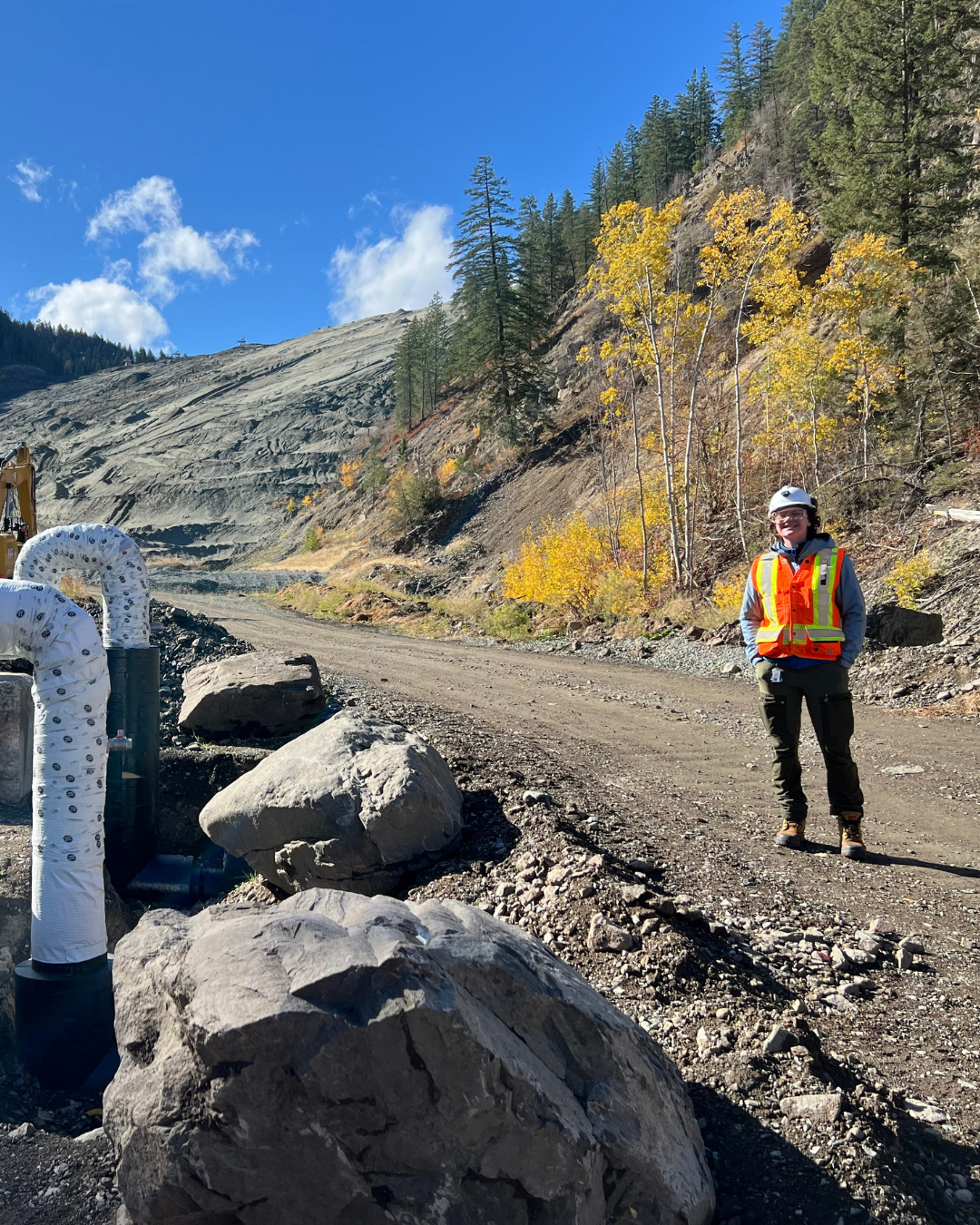
Her co-op in Vancouver was with a hydrogeology consulting firm. That role took her four hours north of Whitehorse to a mine site in the Yukon, where she participated in a groundwater sampling program. The work involved pumping, monitoring wells and sampling groundwater to track contaminants and understand how mine-related materials move through subsurface systems. She also helped design monitoring wells, worked at drill sites in Fernie, visited Princeton and Copper Mountain to study an open-pit copper mine, and examined tailings storage facilities.
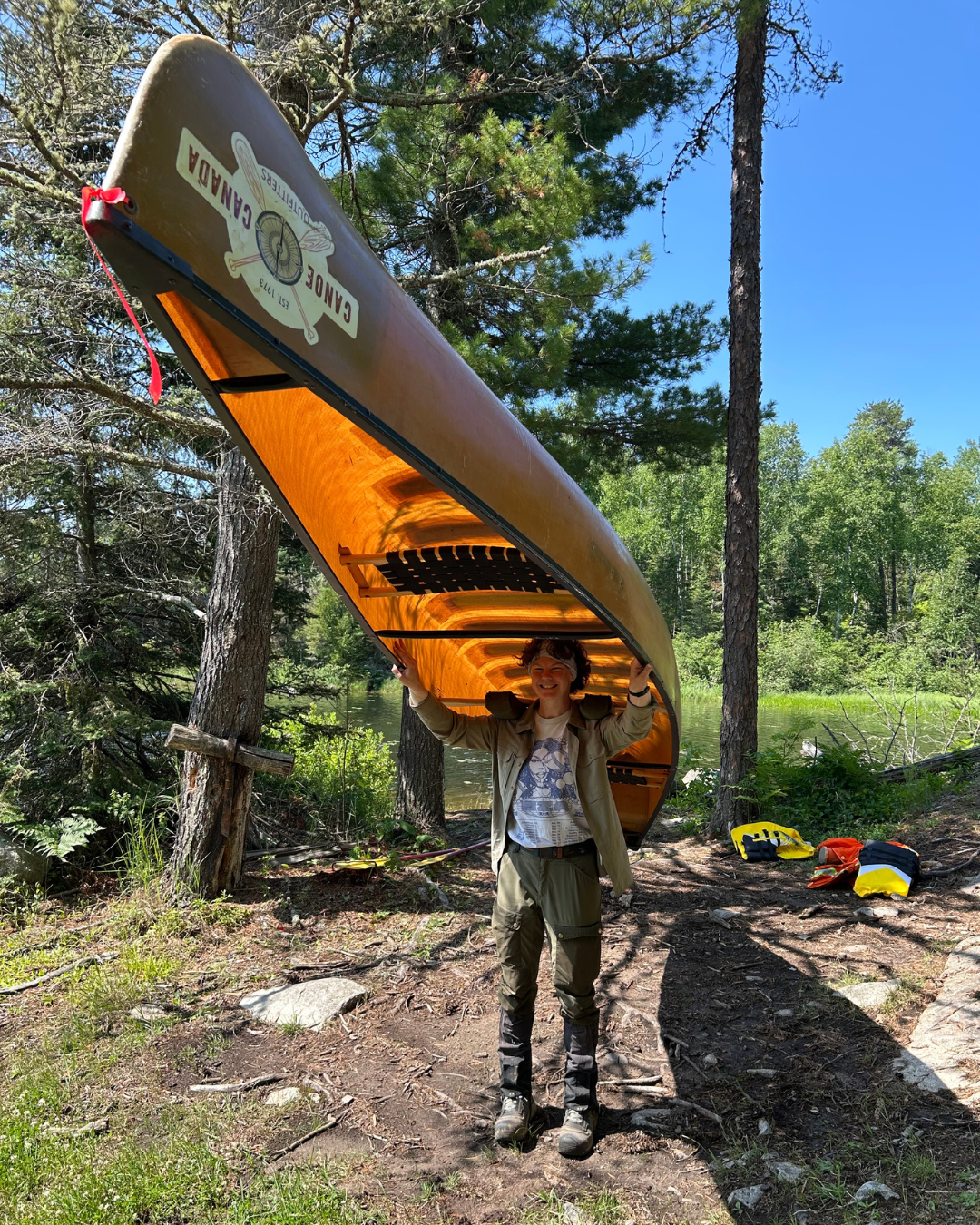
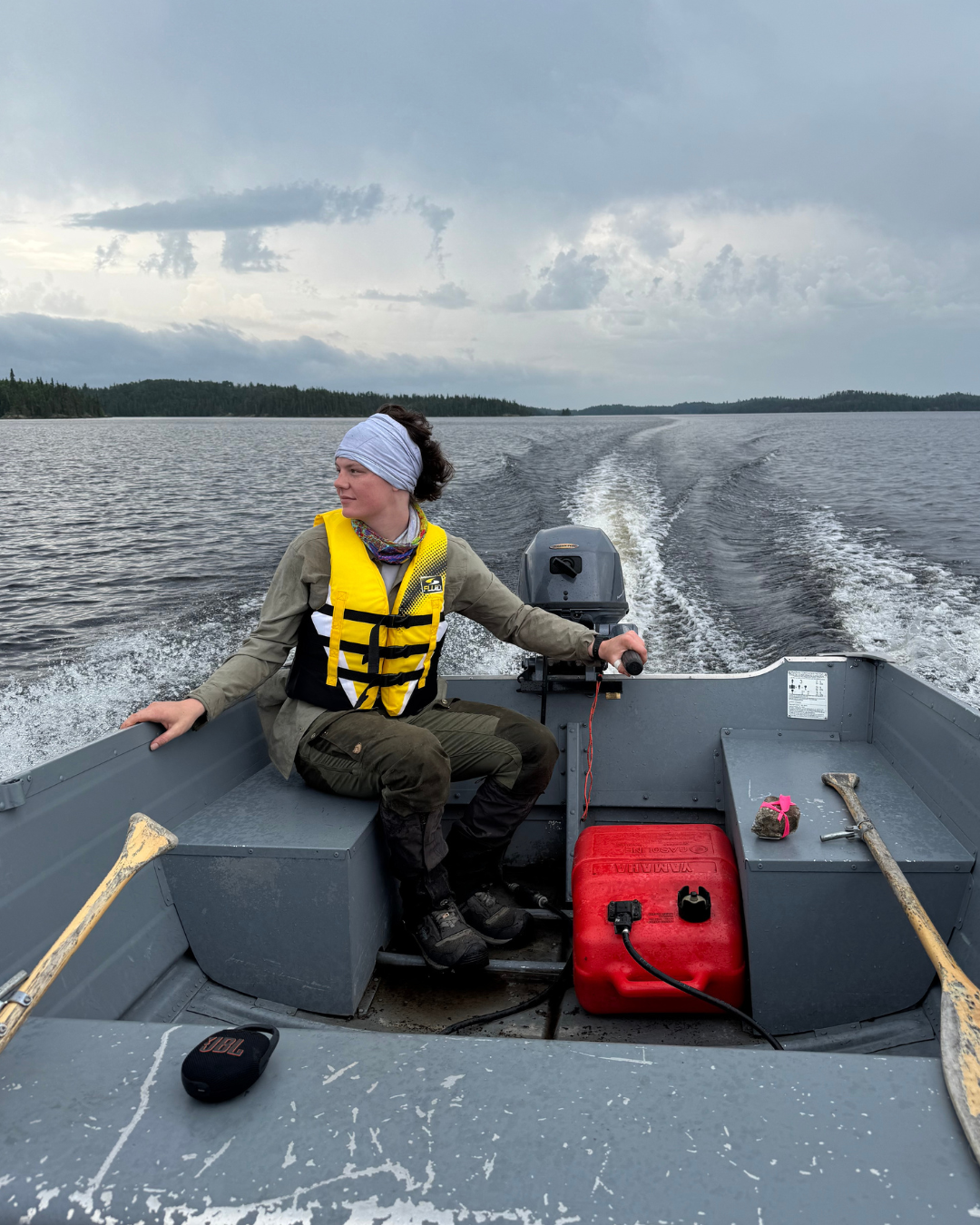
During her final co-op in Thunder Bay, she spent her days boating, canoeing, portaging, and walking through forests surveying for gold.
“It felt like I was being paid to explore the country while gaining hands-on experience,” Boal says. “Co-op allowed me to apply classroom learning directly in the field and confirmed that this is the career path I want to pursue.”
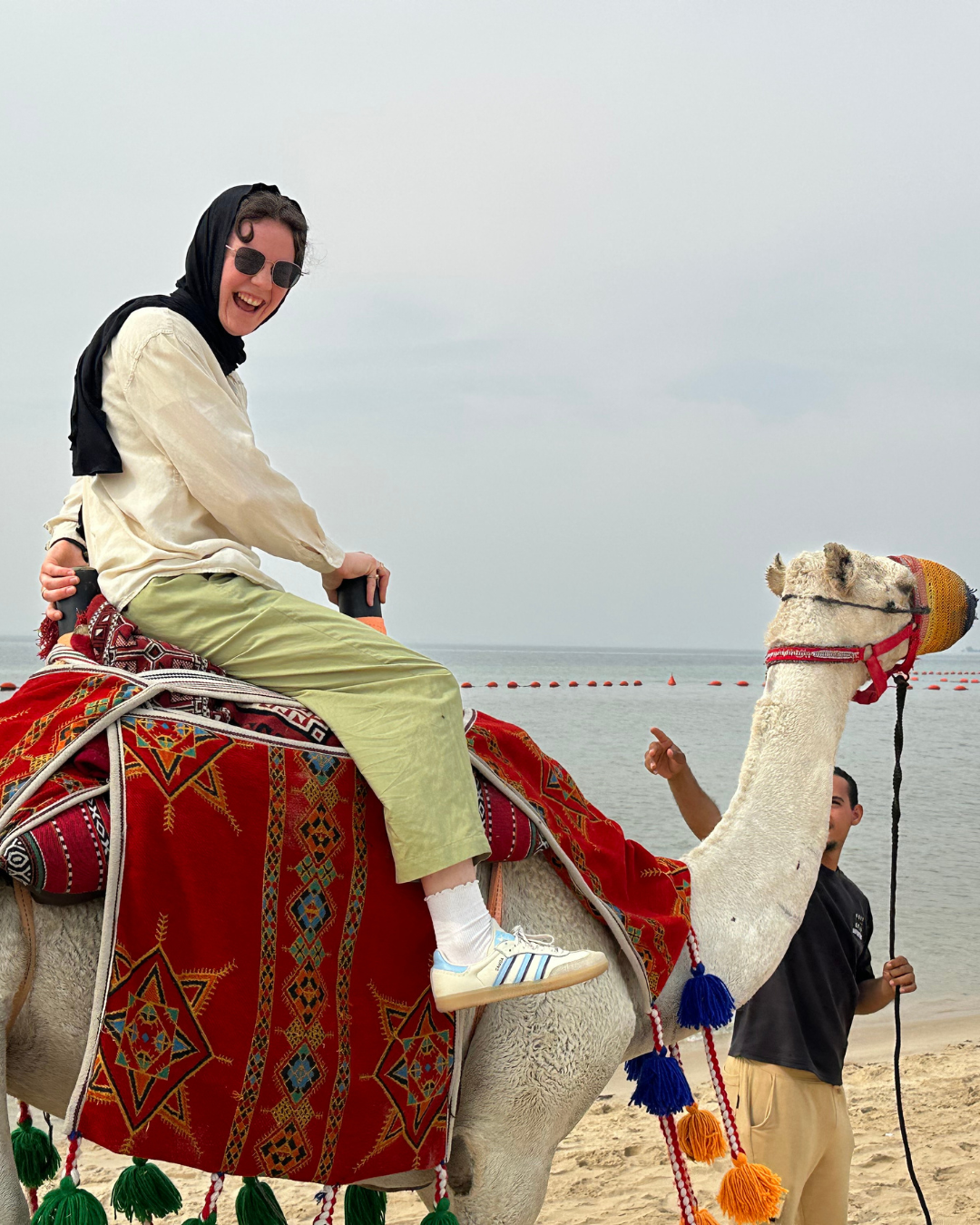
Her love of exploring also brought her all the way to Saudi Arabia for the New White Gold Rush competition hosted by King Fahd University of Petroleum and Minerals. The competition challenged students to develop methods for natural hydrogen systems, often referred to as “white gold.” Her team, H2No, came in second for their idea to extract natural hydrogen from depleted petroleum reservoirs.
Boal’s next adventure will take her to the University of Alberta to pursue a master’s degree in Earth Sciences. With a strong foundation in hydrogeology and fieldwork, she is well prepared by an education grounded in experiential learning.