Attending university is a pivotal step in discovering your passions and true potential, and Bethany Duford did just that. After completing her first two years in biochemistry, she realized her interests lay elsewhere in science and decided to pivot.
In Vertebrate Zoology (BIOL 211) with Dr. Hugh Broders, she developed a strong interest in animal research, prompting her to switch her major to biology. Immersed in ecology, physiology, and zoology, she built a strong foundation in animal science that soon drew her to Dr. Liam McGuire’s third-year course, Comparative Animal Physiology (BIOL 371), where her interest in birds took flight.
Building on her coursework, Duford became further involved in Dr. McGuire’s undergraduate ornithology experiences. She joined field trips focused on migrating waterfowl and species reintroduction efforts. As her interest in this research grew, she decided to complete her fourth-year honours thesis (BIOL 499) in McGuire’s lab.
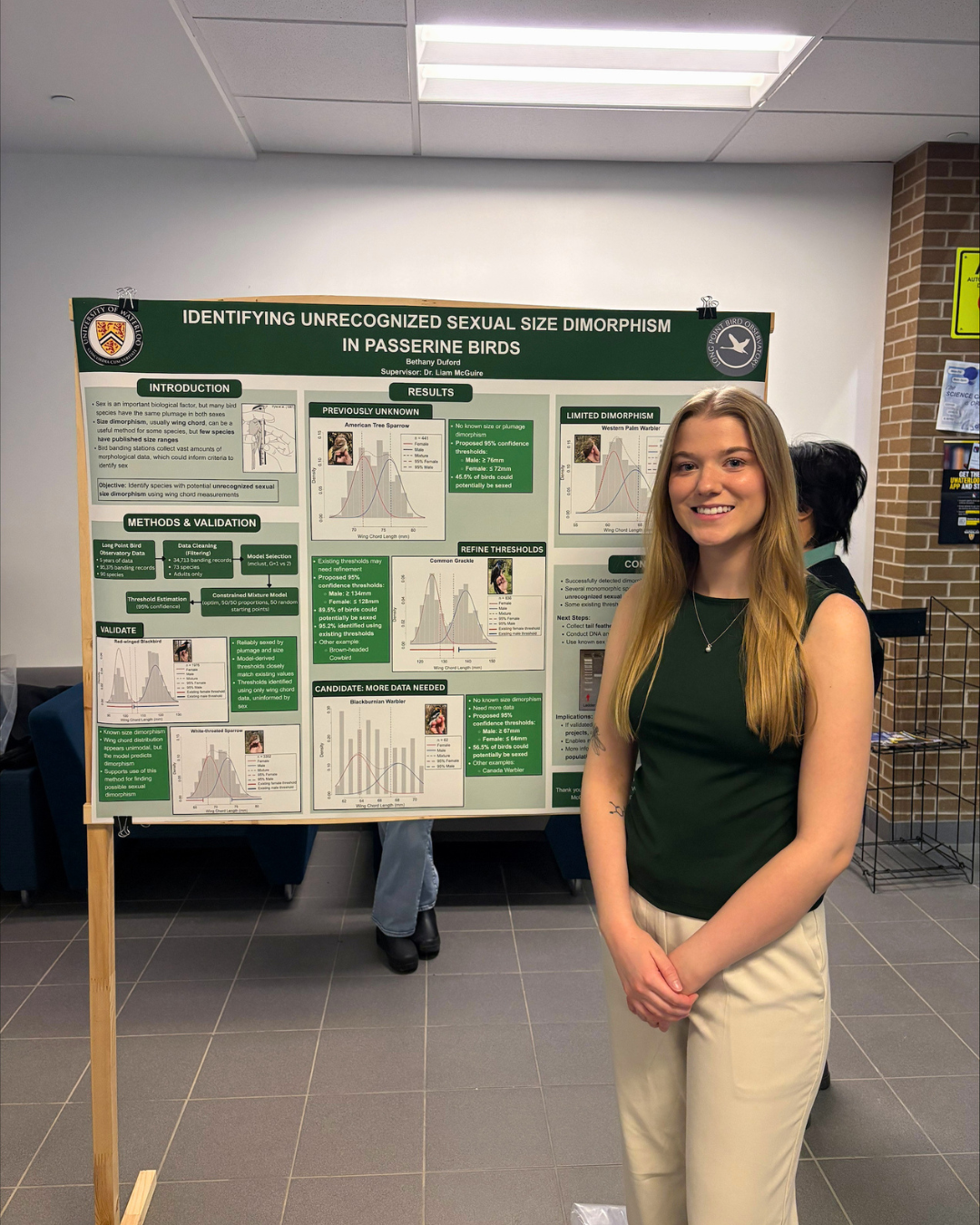
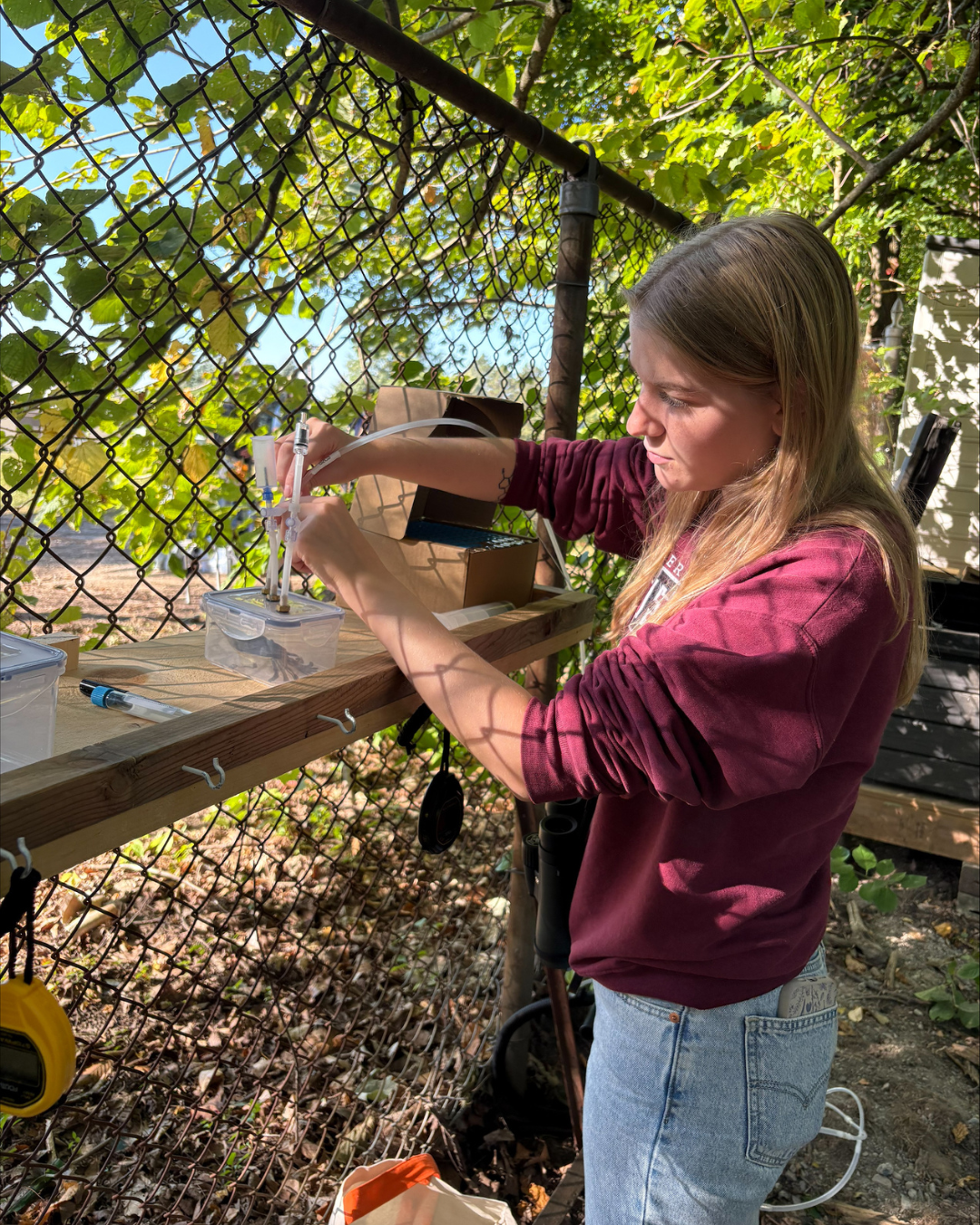
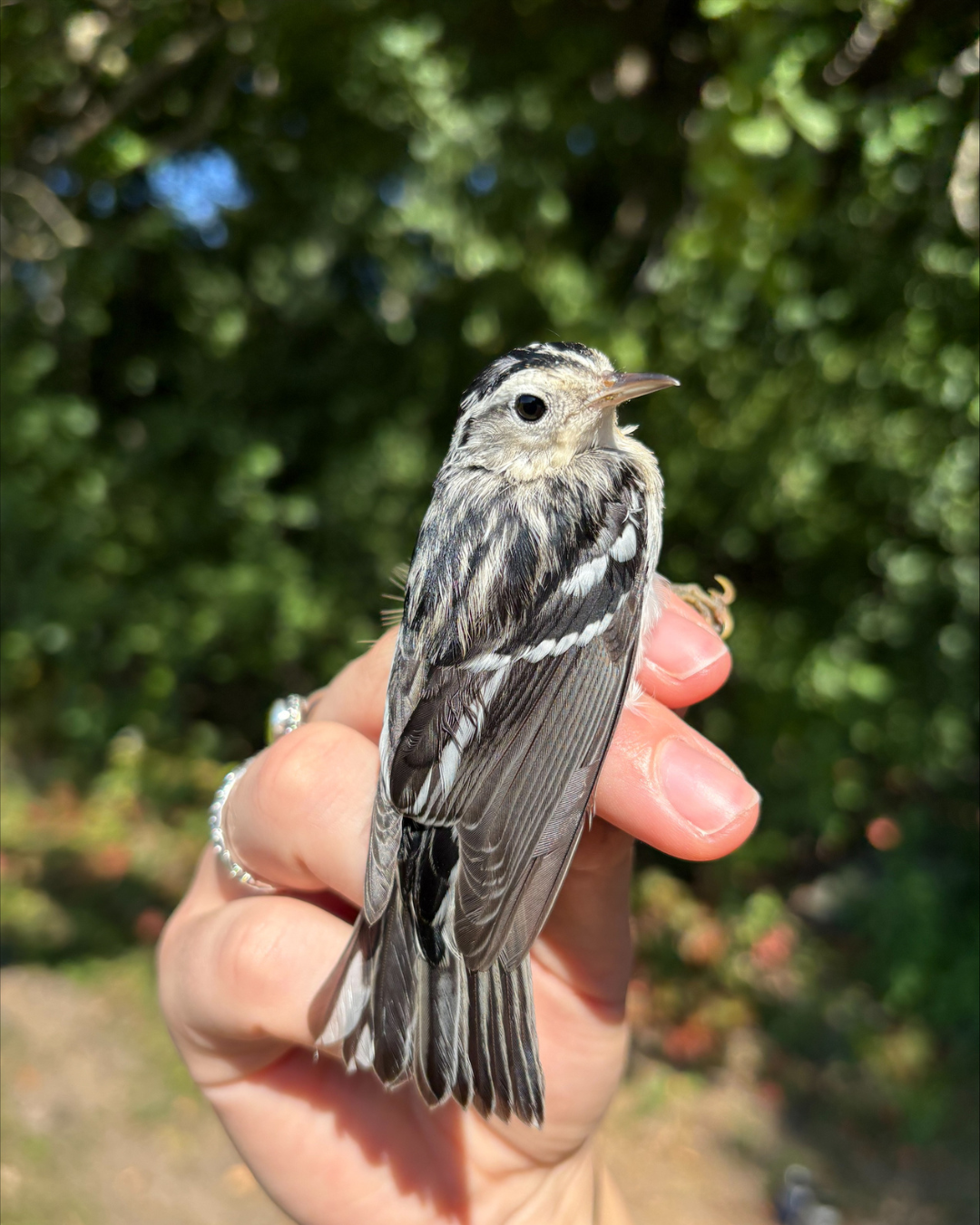
Duford’s thesis research focused on identifying unrecognized sexual size dimorphism in birds using wing length measurements. Her work involved bird banding, a hands-on field research practice that brings students outdoors to safely capture wild birds, collect biological data, and release them unharmed.
A standard protocol during this process is to determine the sex of each bird. While some species can be sexed visually based on plumage differences, many require wing length measurements taken in the field.
“For certain species, published thresholds already exist,” says Duford. “For example, a wing length above a specific measurement may indicate a male, but many species are not currently recognized as having size-based dimorphism.”
Using a dataset from the Long Point Bird Observatory, she analyzed wing length measurements collected during banding and modelled the data to determine whether size distributions for males and females were present. Her analysis identified several birds that could potentially be sexed using wing length measurements, and among the species examined, the American Tree Sparrow was the strongest candidate.
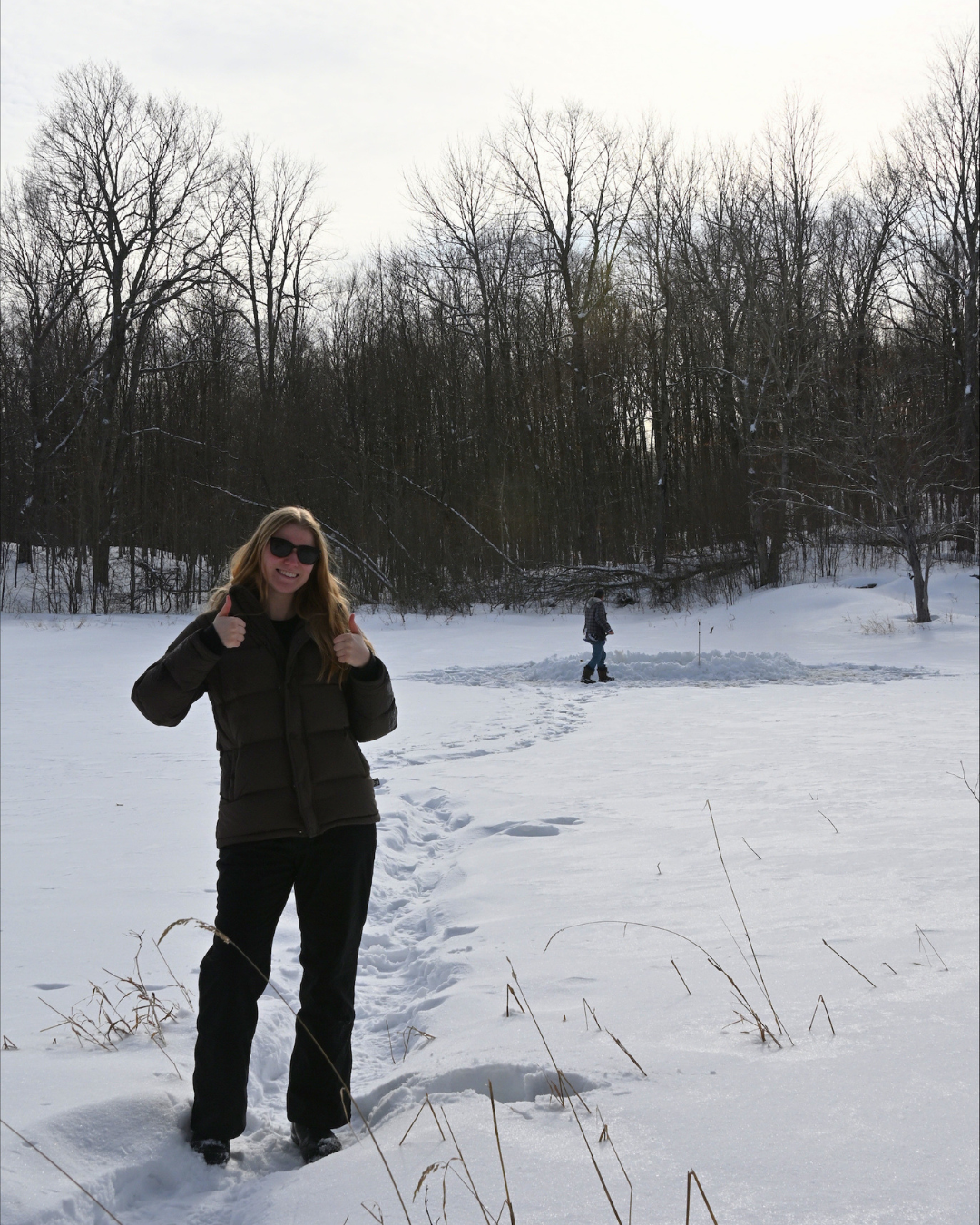
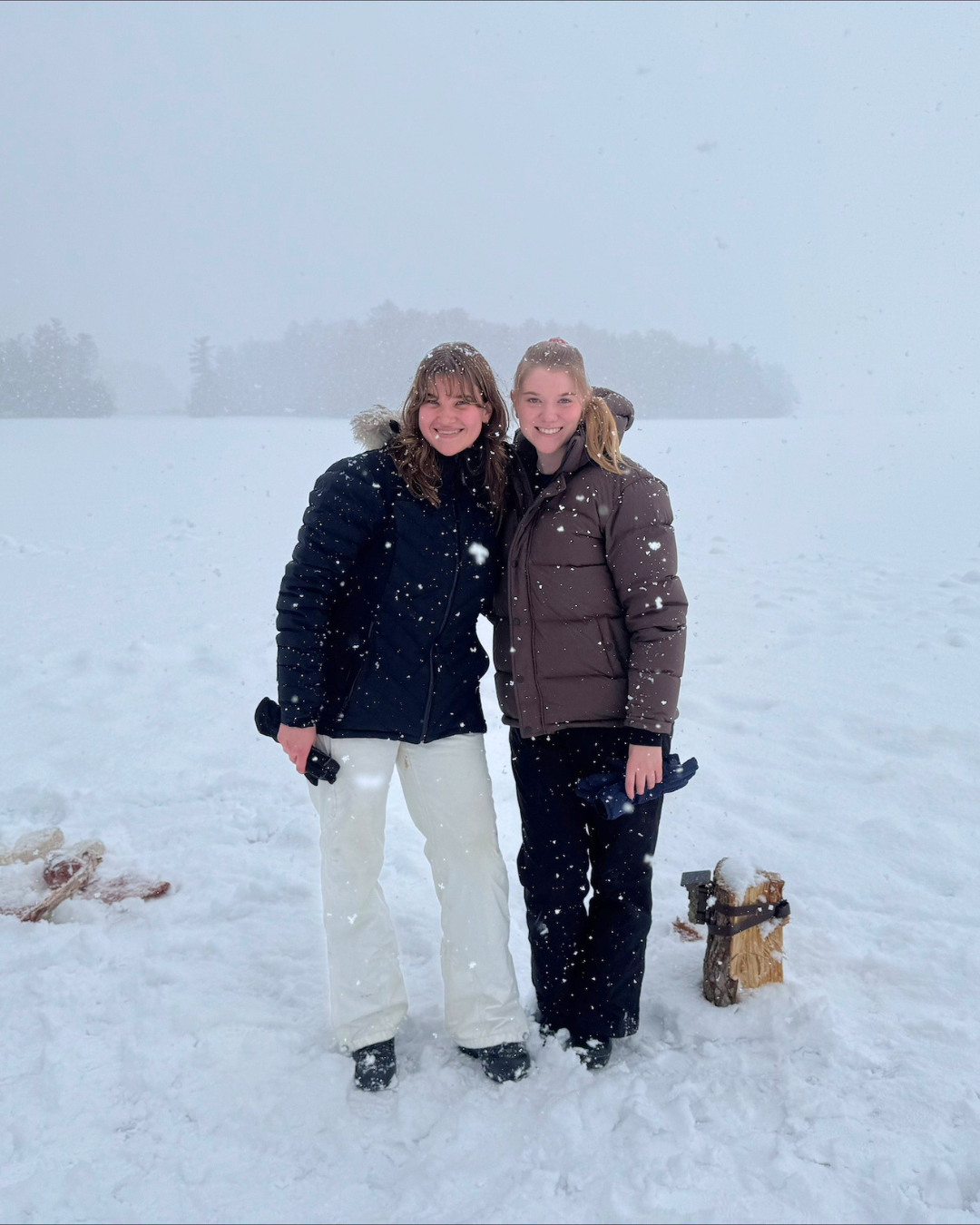
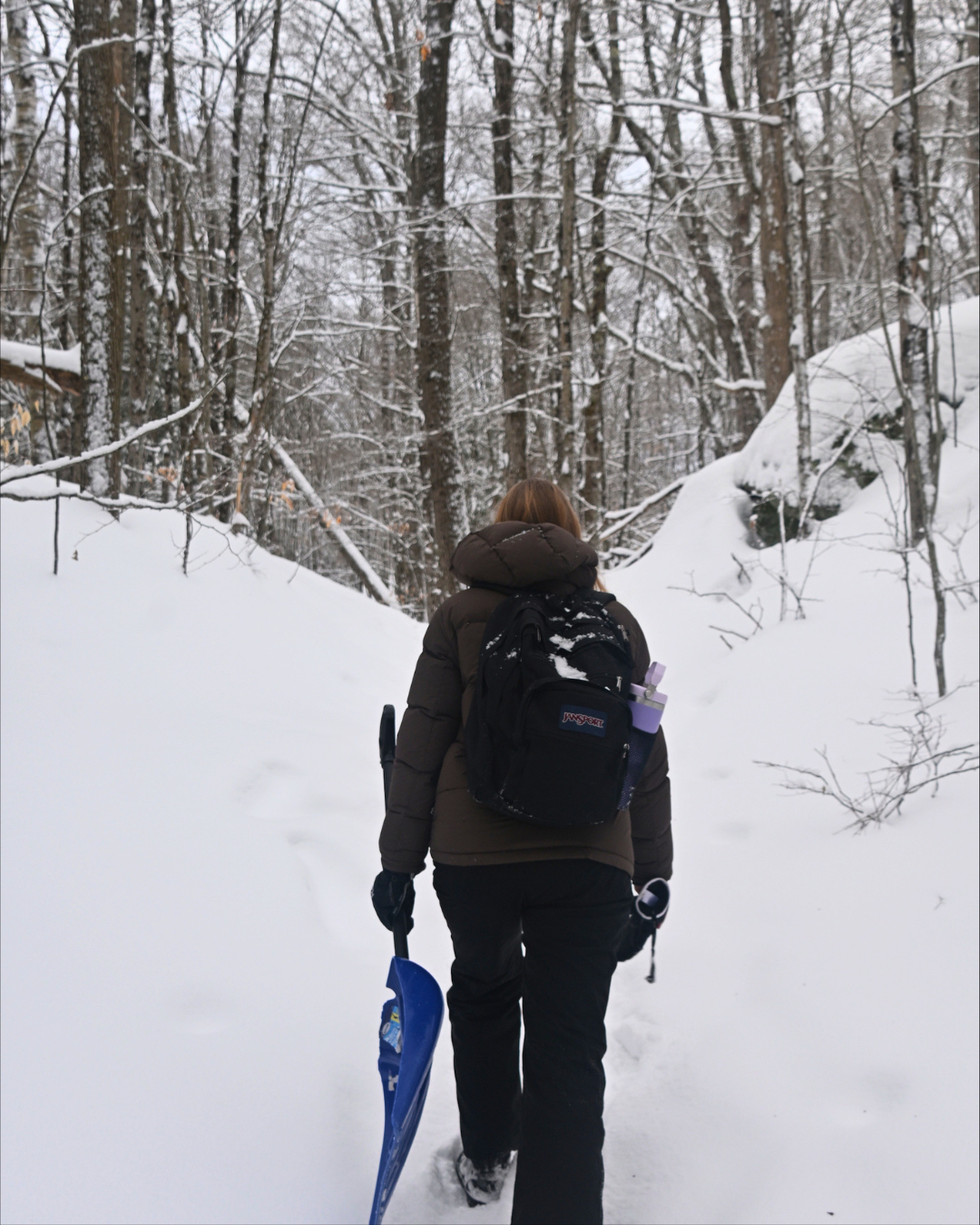
Alongside her thesis research, Duford continued to build hands-on experience through a winter field course at the Queen’s University Biological Station. The course took students beyond the classroom for early-morning surveys, data collection, and challenging outdoor conditions. For Duford, the experience reinforced not only technical research skills, but also a deeper appreciation for the patience and precision required in wildlife biology.
“We were up before sunrise every day, heading out into the cold to study how nonmigratory birds survive Ontario’s winter,” Duford said. “It was demanding work, but it gave me invaluable, hands-on experience and pushed me to develop my field skills in real research conditions, all while earning academic credit.”
In June, Duford will cross the stage at convocation, leaving the University of Waterloo with experiential knowledge in animal research and a path to pursue. Her undergraduate degree evolved into a clear focus leading to graduate studies and a career in wildlife biology.