Ecaterina spent a term in Paris, France studying at the Cite Internationale Universitaire Paris.
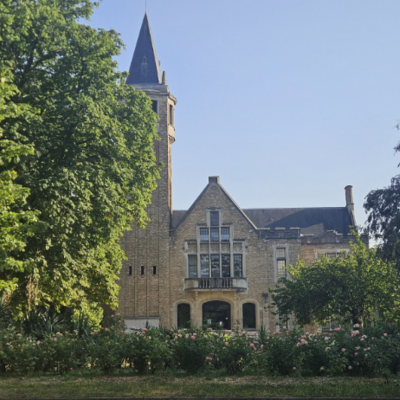
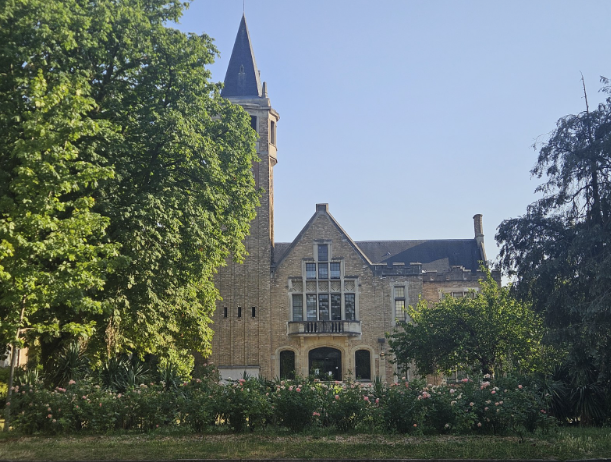
Deustch de la Meurthe House at CIUP: Where I stayed during my 1-month exchange program in Paris, France.
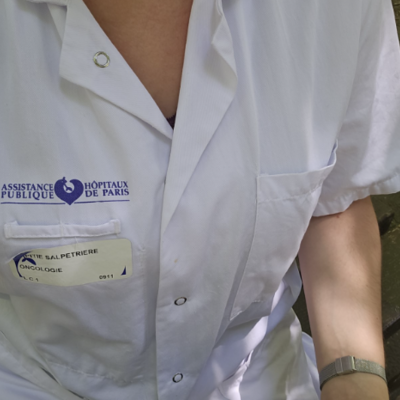
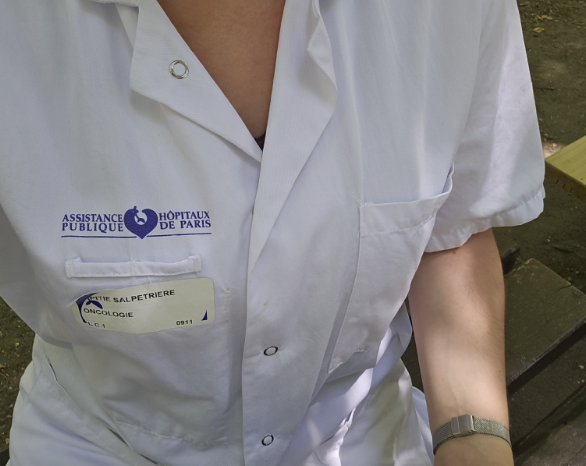
Uniform as an Oncology Extern at the Pitie Salpetriere Hospital
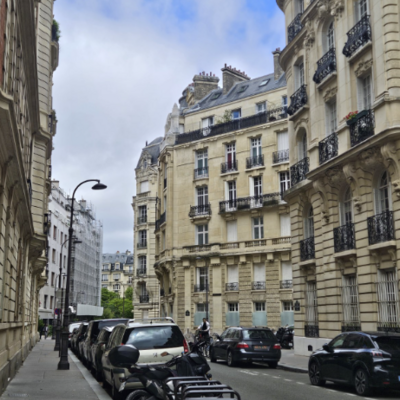
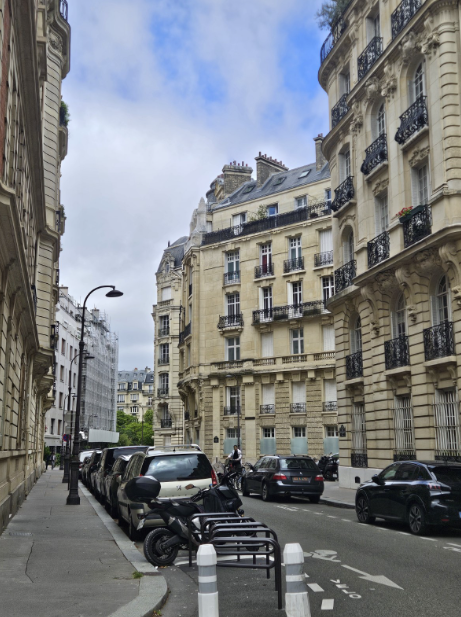
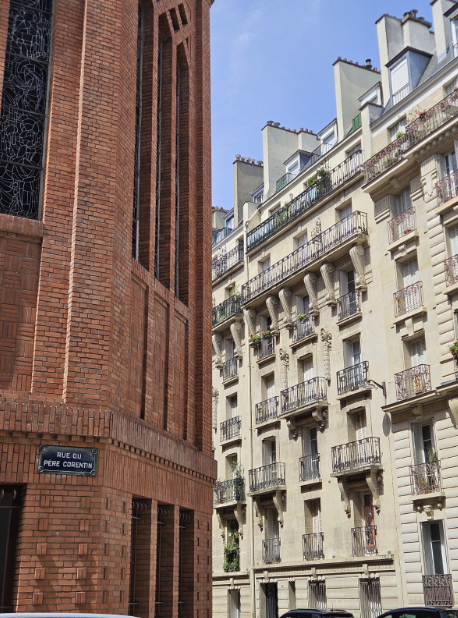
Streetview of the 16ieme arrondisement, outside of the OECD buildings.
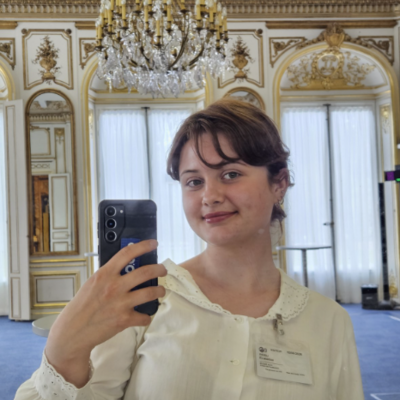
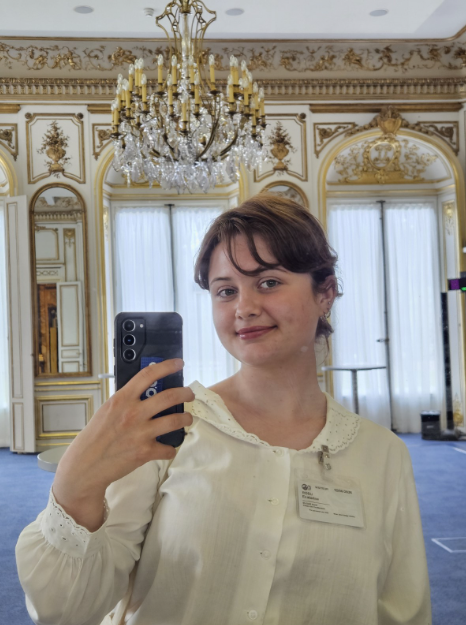
Selfie taken inside the OECD building in a meeting room, with my visitor badge.
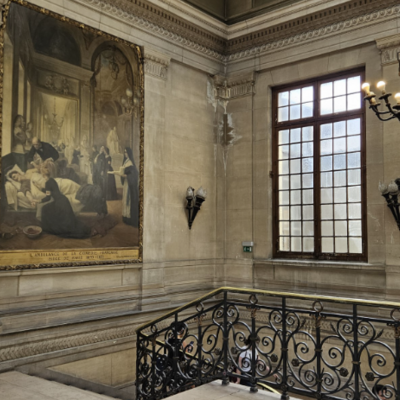
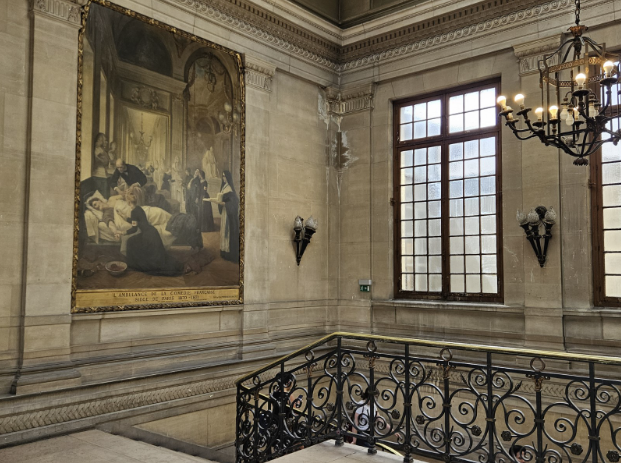
Medical School of Paris, the view of the staircase after a group visit to the museum inside the medical school.
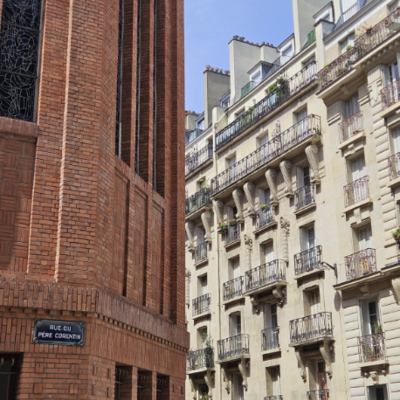
Image contrasting the architecture styles found in Paris.
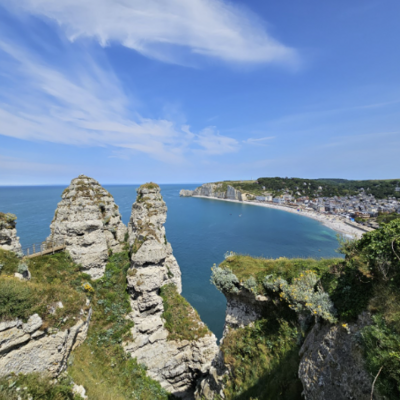
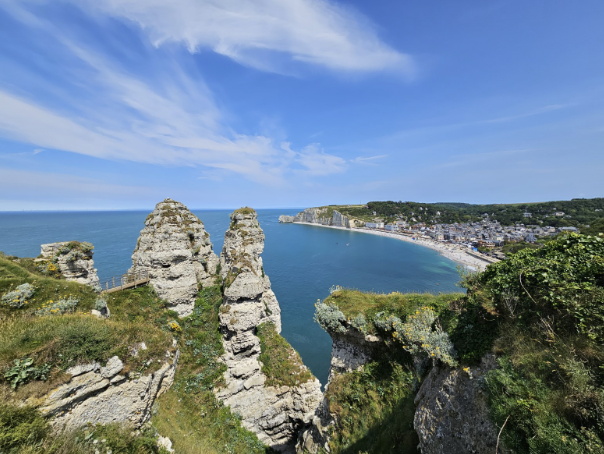
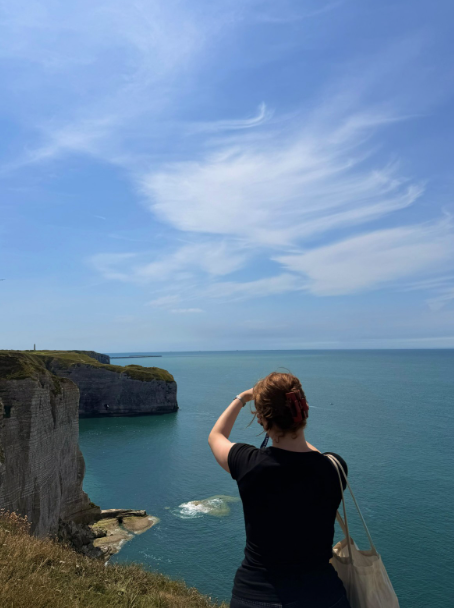
The Etretat Coastline after visiting during a day-off.
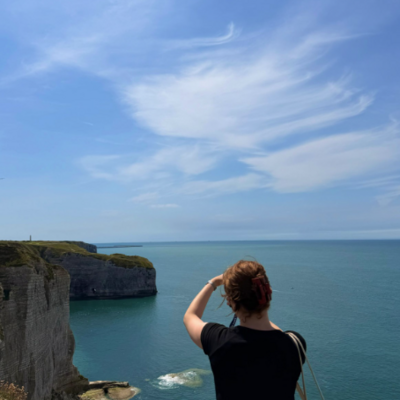
Me at the Etretat Cliffside!
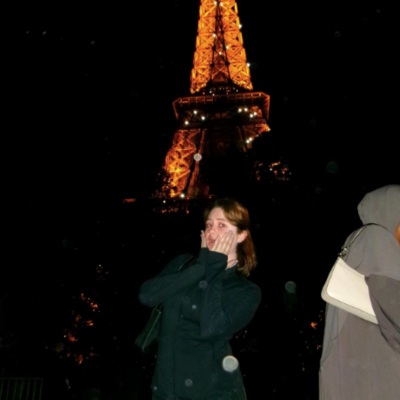
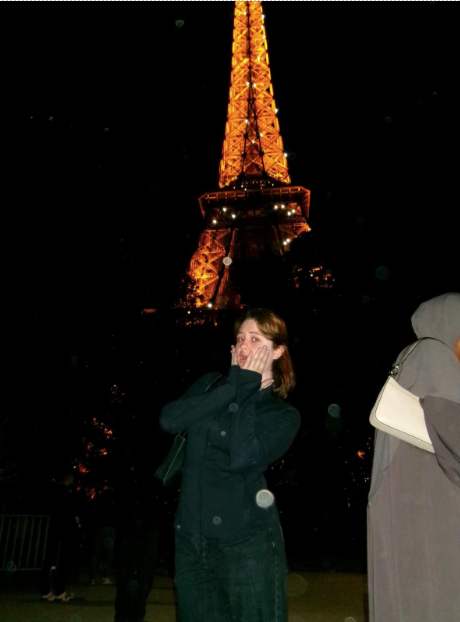
Me at the base of the Eiffel Tower!
Ecaterina, Bachelor of Science in Health Sciences
Q: Why did you choose your host country and institution?
-
I chose the program because it was specifically designed for medical and public health students, and its location in Paris gave me the added opportunity to practice French in both clinical and casual settings; overall, it has surpassed my expectations by providing a well-rounded experience of culture, global health, and medical systems.
Q: What was an average day like in your program?
-
Our group of 14 undergraduate and postgraduate students had classes from 10 AM–12 PM at the Foyer Internationale des Etudiantes, followed by a two-hour lunch break and afternoon visits to museums or hospitals, while the flexibility of our schedule allowed us to explore Paris both in smaller groups and independently—from restaurants, pastry shops, and specialty shops to historic monuments and activities along the Seine.
Q: What was one of your favourite experiences from your time abroad?
-
My favourite experience was visiting the American Hospital of Paris and the OECD, where we explored patient care at the institutional, national, and global levels and gained firsthand insight into how healthcare systems balance cost, quality, and access—demonstrating how shifting these priorities can significantly impact patient outcomes.
Q: What was it like to live and learn in another language? (If applicable)
-
Although I had studied French from grades 1–12, a three-year gap in practice made the experience an opportunity to reconnect with the language; while the language barrier was minimal due to my ability to quickly pick up accents and pronunciation, adapting to Parisian culture was more challenging, requiring me to navigate crowded spaces, protect my belongings, and stay aware of my surroundings, while also embracing a lifestyle that balanced the city’s fast pace with opportunities to work hard, enjoy myself, and rest.
Q: Were there any challenges? If so, how did you overcome or cope with them?
-
My greatest challenge was adapting my diet and budget to living in traditional dormitories without access to a kitchen, which meant relying on bakeries and restaurants for roughly 75% of my meals; however, I made the most of Paris’s seasonal produce and affordable bakeries, and by the end of the trip, I had strengthened my budgeting skills, learned new cold-salad recipes, and even become a bit of a bread enthusiast.
Q: Did any of your experiences challenge the assumptions you held about your host country or culture?
-
Before travelling, I was warned about Parisians being unfriendly and the risk of theft, but my experience living in the Greater Toronto Area helped me recognize these as broader urban challenges rather than Paris-specific concerns; my B2-level French and familiarity with big-city habits—moving with the crowd, respecting personal space, securing belongings, and adapting to a fast-paced environment—helped me navigate Paris confidently and understand that what may seem like “rudeness” is often simply efficiency and cultural difference.
Q: Has this exchange helped you personally, academically or professionally?
-
This exchange was personally transformative, as it was my first time traveling internationally alone and living independently in a new country for a month; the experience allowed me to rediscover my interests, explore different aspects of my personality through speaking French, and ultimately gain a deeper understanding of my values, priorities, and sense of self.
Q: What were your experiences like when you returned home? Did your understandings about your own life or reflections on your experience change after you came back to Waterloo?
-
Returning to Waterloo, I brought back a renewed sense of self, balance, and intentionality with my time, becoming more flexible with timelines, more aware of my personal and emotional boundaries, and more mindful of maintaining manageable workloads; I also experienced reverse culture shock in noticing differences in daily routines, social habits, and activity levels, particularly the shift from walking over 20,000 steps a day abroad to under 10,000 at home, which encouraged me to make a more conscious effort to stay active.
Q: If you could do it all over again, what would you do differently?
- If I could have done it over again, I would have stayed longer. Whether that be to have chosen a longer program or stayed abroad after the program was over to work in the city as well, I would have stayed even longer. Otherwise, I have no regrets for how I used my time, and I am thankful for all the memories I had made.
Q: Do you have any advice for Waterloo students thinking of studying abroad?
- I would suggest choosing a country that speaks a language you understand to at least be able to hold short conversations, because you can actually connect with the people living there, you could have access to experiences outside of the ones reserved for tourists, and you can feel more assured of your safety.
| Type of cost | Item | Cost | Total |
|---|---|---|---|
| Base cost | Waterloo passport application | $50 | |
| Official transcript order | $20 | ||
| Letter of Permission | $30 | ||
| MICEFA programme deposit | $2238 | ||
| MICEFA programme final payment | $2181 | ||
| Flight | $1221 | $5740 | |
| With Observership | Doctor's note | $30 | |
| Vaccinations | $33 | $63 | |
| Personal costs | Average daily cost for meals | ~ $30 CAD/day | ~$780/26 days |
| Total average cost | $6583 |