Research

Sunday, November 17, 2013

A global approach to curbing smoking

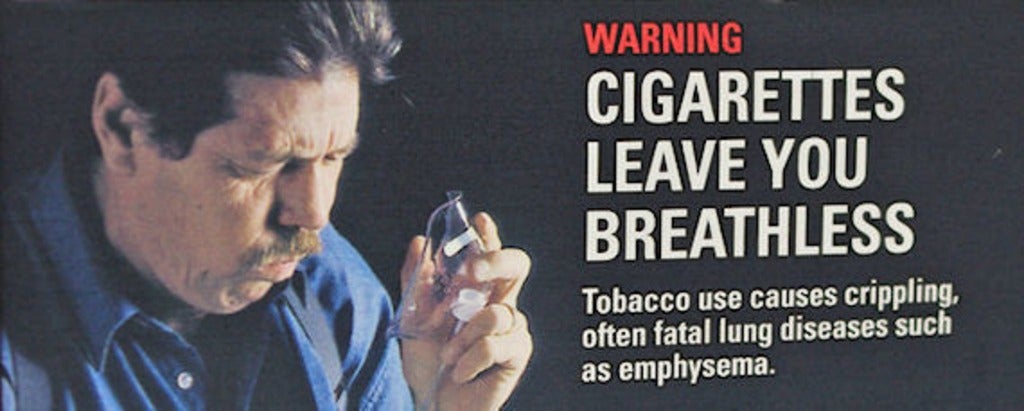
Tobacco is the largest preventable cause of premature death in the world. One billion people worldwide will die of tobacco related illnesses in this century if current patterns and trends persist.

John Hirdes of the School of Public Health and Health Systems played an unexpected role in getting help to vulnerable people after the disastrous earthquake that struck Christchurch, New Zealand in 2011.

Sunday, December 1, 2013

On the job

Police officers spend up to four hours during a 12-hour shift engaged in computer and data entry in their cruisers. 

Friday, November 22, 2013

Enabling nutritious choices

Canada’s young people are overweight, and the chief culprits are poor eating habits and lack of exercise. Obesity is a particular problem among First Nations youth, putting them at increased risk for diabetes and heart disease.

Sunday, December 1, 2013

Don't slack on the salmon

Ken Stark, the assistant professor in kinesiology develops innovative ways to uncover how much Omega-3 Canadians are consuming. He's testing not the food they eat, but the blood in their veins.

Sunday, December 1, 2013

Measuring what matters

The Canadian Index of Wellbeing provides unique insights into Canadians’ quality of life – overall, and in specific areas, such as our standard of living, health, the quality of our environment, and the state of our leisure and culture.

Dr. George Heckman, a physician specializing in aging and cardiovascular disease, joins Waterloo as the Schlegel Research Chair in Geriatric Medicine with the Schlegel-University of Waterloo Research Institute for Aging, and Associate Professor in the School of Public Health and Health Systems.

Sunday, December 1, 2013

After a stroke: regaining mobility

For stroke victims, fear of falling can be an insurmountable hurdle to recovery. Kinesiology professor Bill McIlroy saw the effects of that fear after his grandmother broke her hip, and he’s determined to smooth the path for others struggling to regain mobility.

Sunday, November 17, 2013

Neighbourhood of good intentions

“Humans are generally convenience-oriented,” explains Peter Hall, associate professor in Waterloo’s department of Kinesiology. “The environment in which we live can make it easier or more challenging to follow through with one’s intentions.”