
Renovations to the third floor of the Earth Sciences and Chemistry building bring the university closer to its net-zero carbon goals while meeting the evolving needs of science today
By Vanessa Parks
Internal Communications and Engagement Specialist
If you’ve passed through the Earth Sciences and Chemistry building (ESC) in the last two years, you may have noticed the work being done on the third-floor labs. What you may not realize is that this renovation is bringing the university a step closer to its net-zero carbon goals while ushering Science at Waterloo into the twenty-first century.
ESC was one of the first half dozen buildings on campus when it opened in 1964. With its isolated workspaces that prioritized focused work, it has served faculty and students well for decades. This renovation aims to meet the evolving needs of science today, both in terms of space and efficiency.
“The original goal was to revitalize the building,” says Mike Ditty, Director of Infrastructure and Technical Resources. “What we’re going to end up with are layouts meant for modern science and systems that are more energy and resource efficient.”
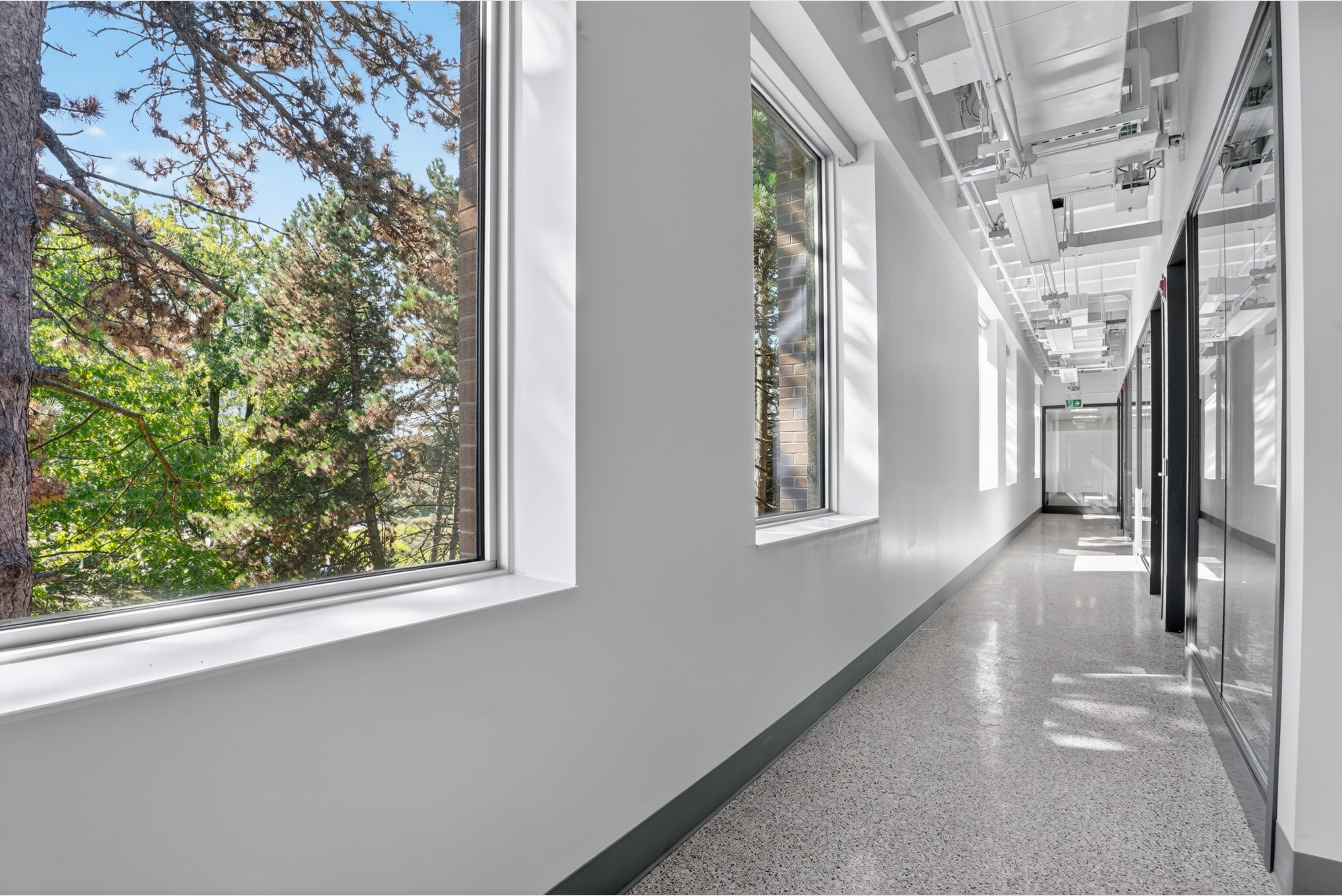
There are now eight modular labs on the third floor of ESC, each providing space for lab work and offices. With glass walls to let in light from windows on both sides, the space now has an open, airy feeling that John Corrigan, Chair of Chemistry, hopes will provide an opportunity for collaboration and informal networking.

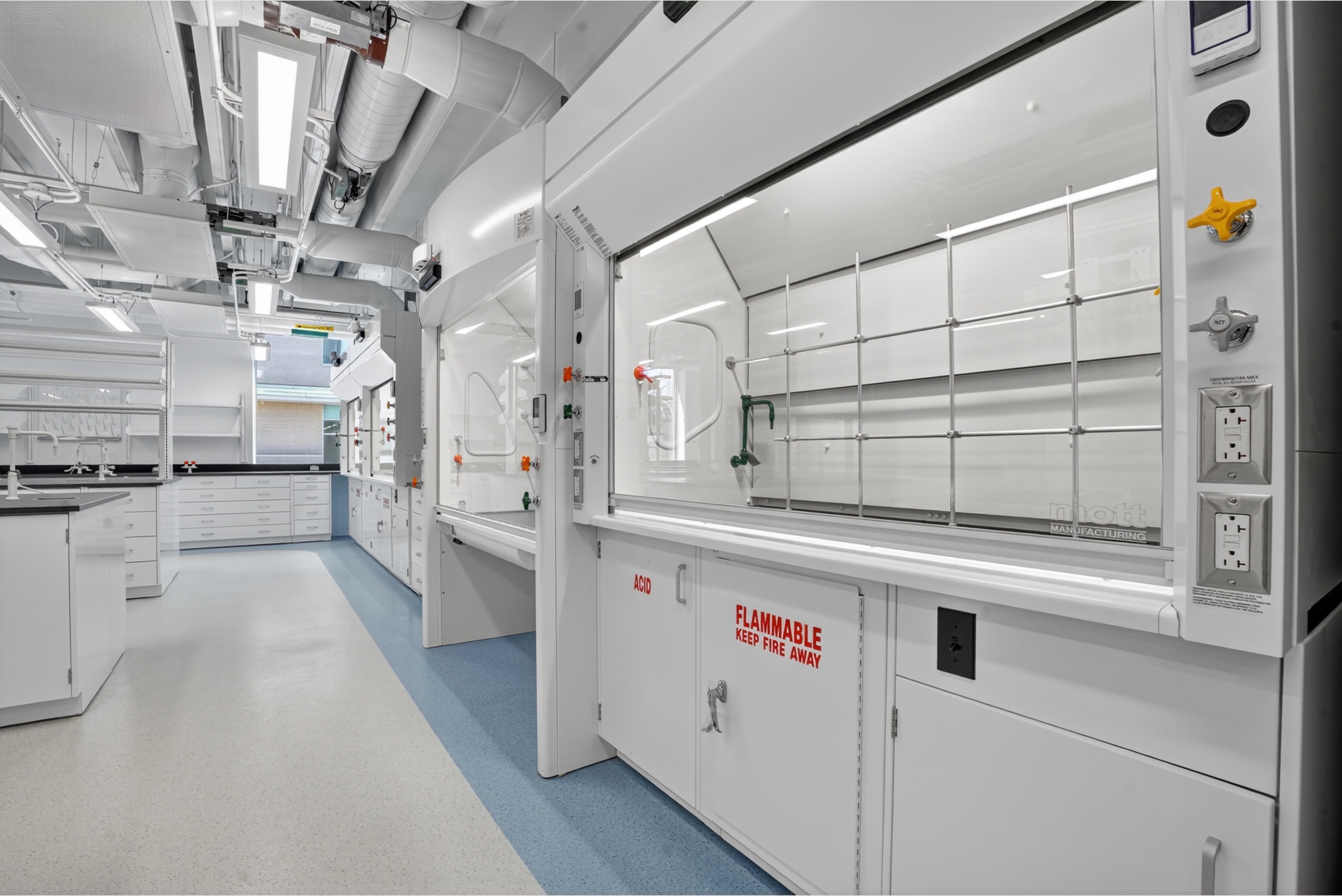
Fume hoods with variable air volume are key to how the new labs will better meet sustainability goals.

The new green labs are also ready to connect to a future geothermal system.

This renovation aims to meet the evolving needs of science today, both in terms of space and efficiency.

There are now eight modular labs on the third floor of ESC, each providing space for lab work and offices.

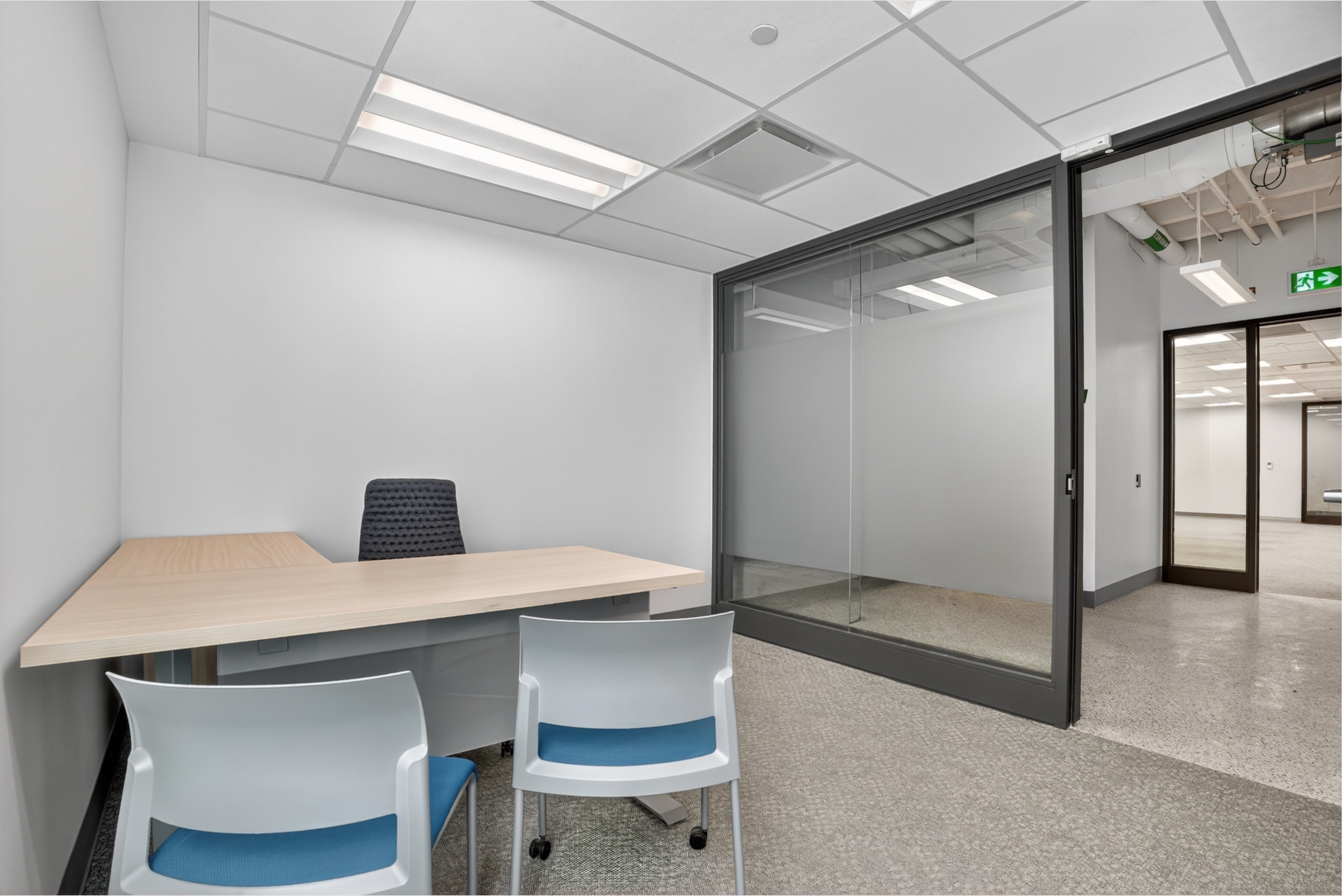
Glass walls let in light from both sides, giving the space an open, airy feeling.

Natural light features prominently in the space.
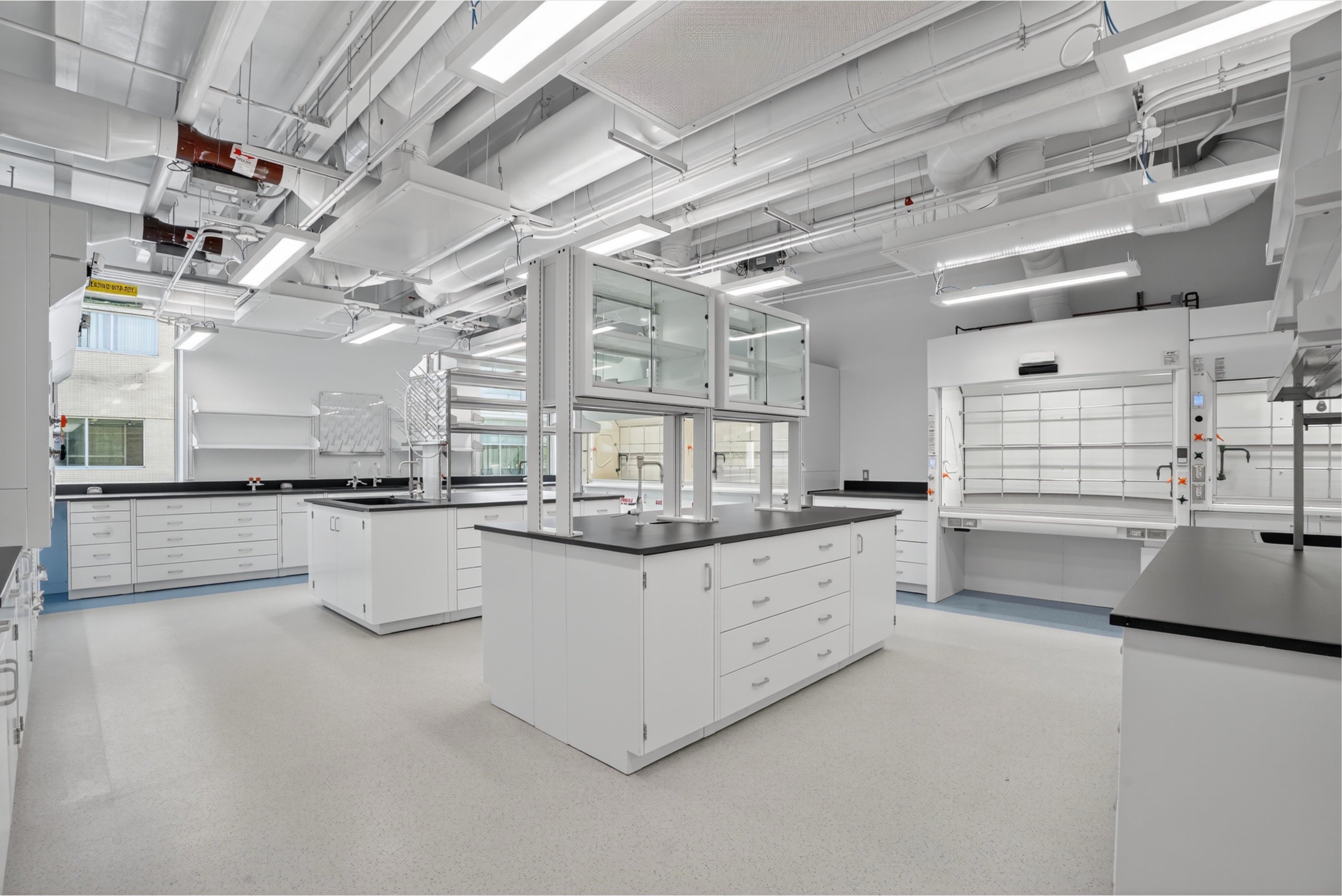
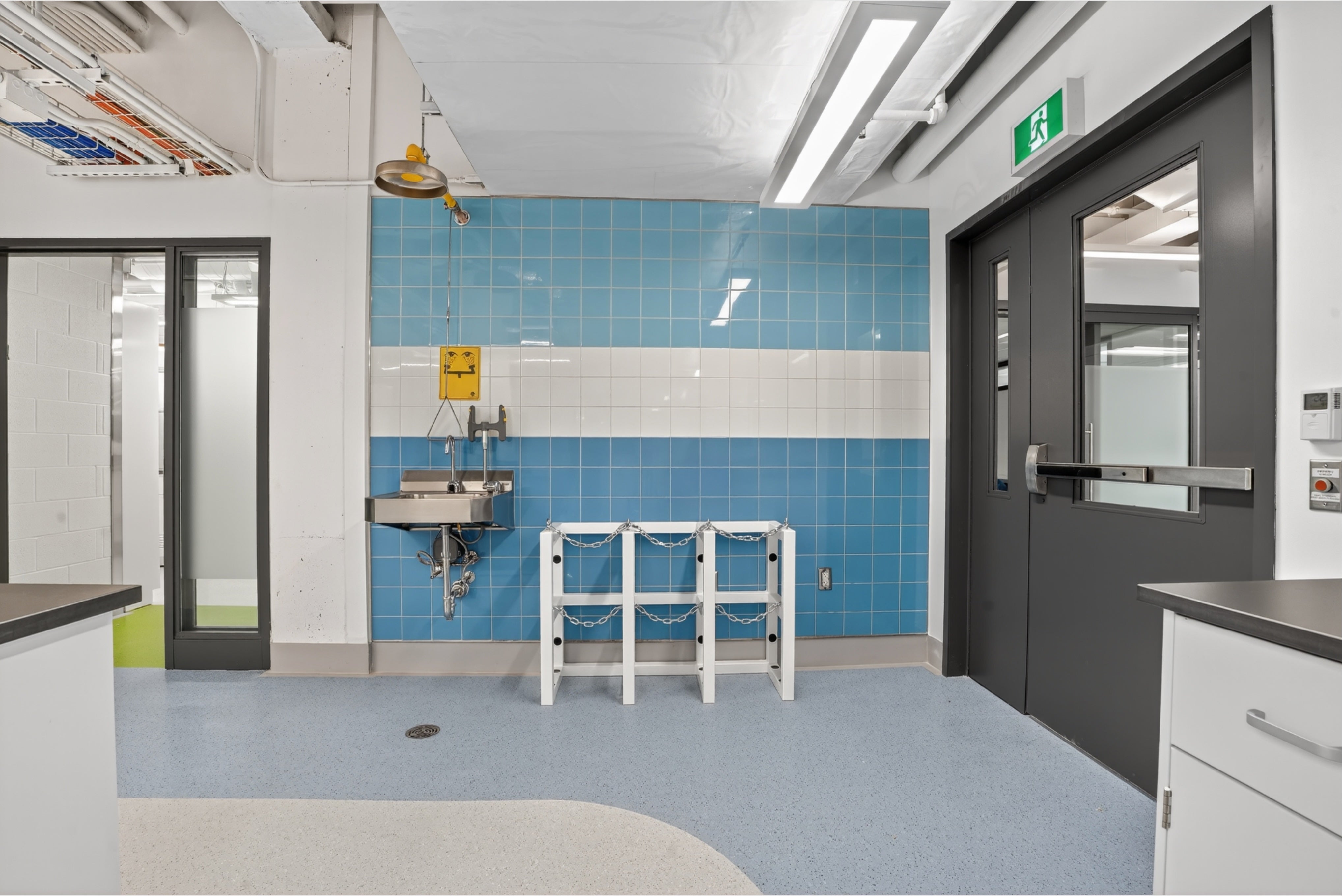
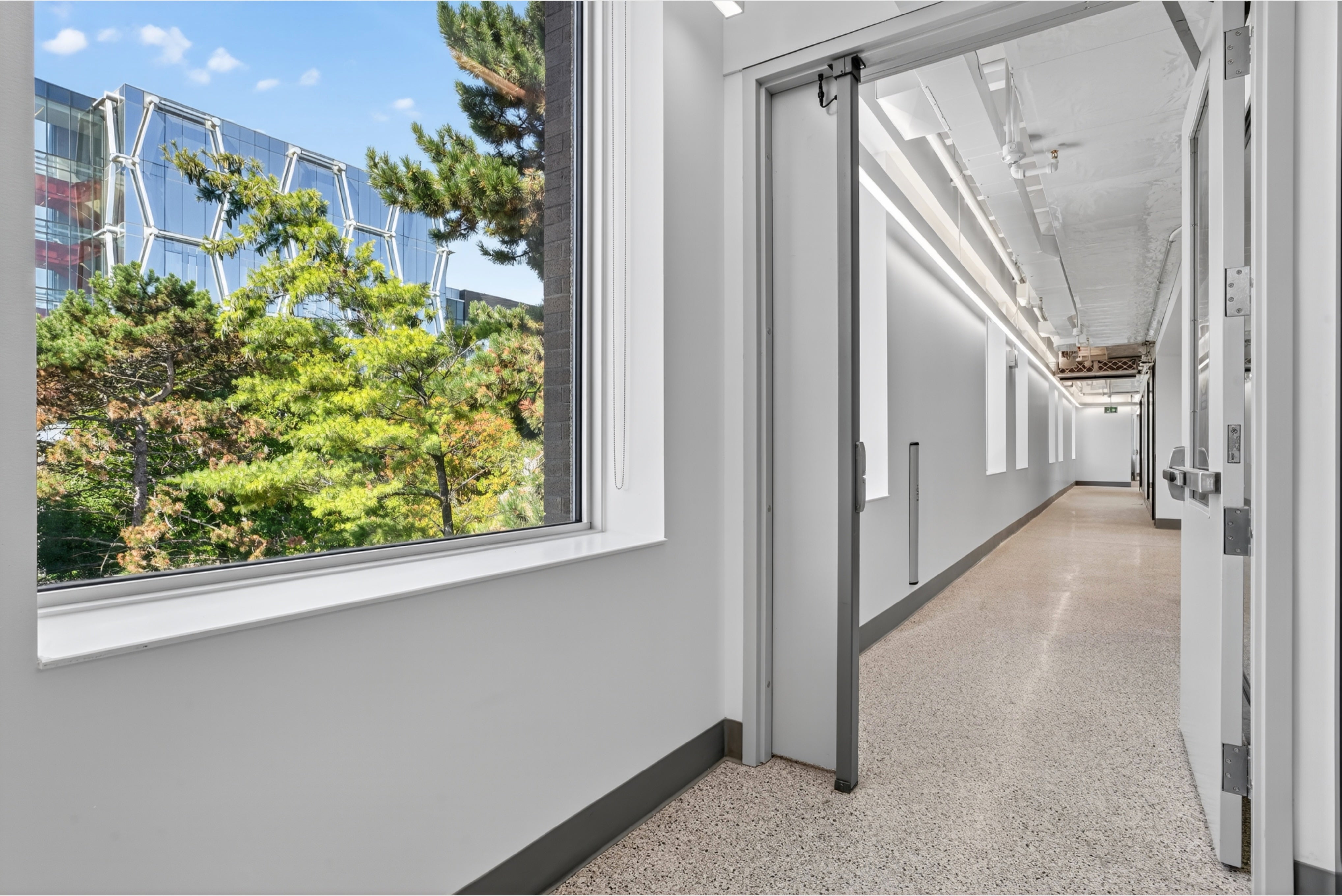

Each of the eight modular labs provide workspace for graduate students.

Windows let in natural light from the lab space.

Common space was also part of the design, giving undergraduates a workspace they don't currently have in Chemistry 2.

John Corrigan, Chair of Chemistry, hopes more space in and around the labs will encourage networking and cross-pollination amongst students and faculty.
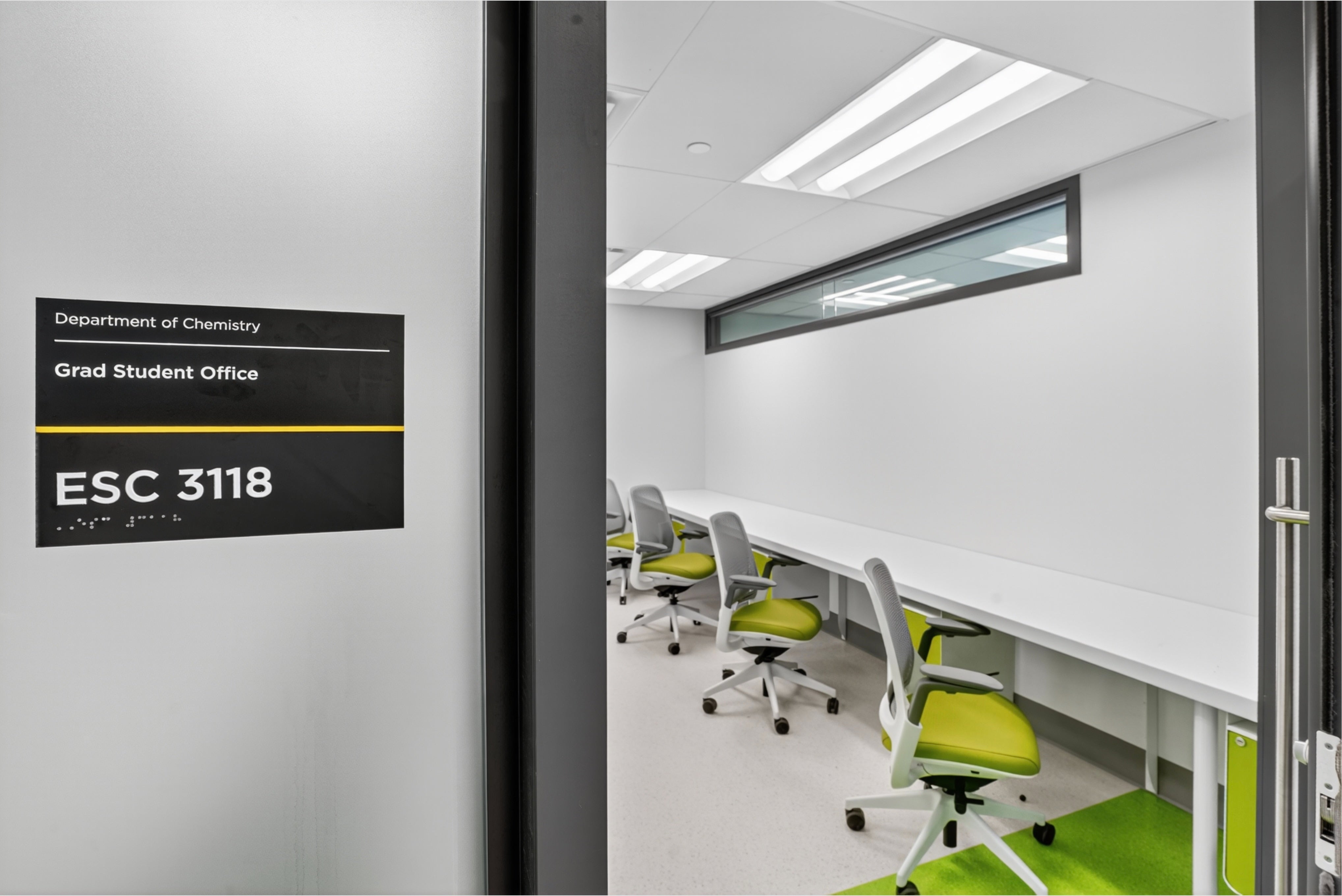
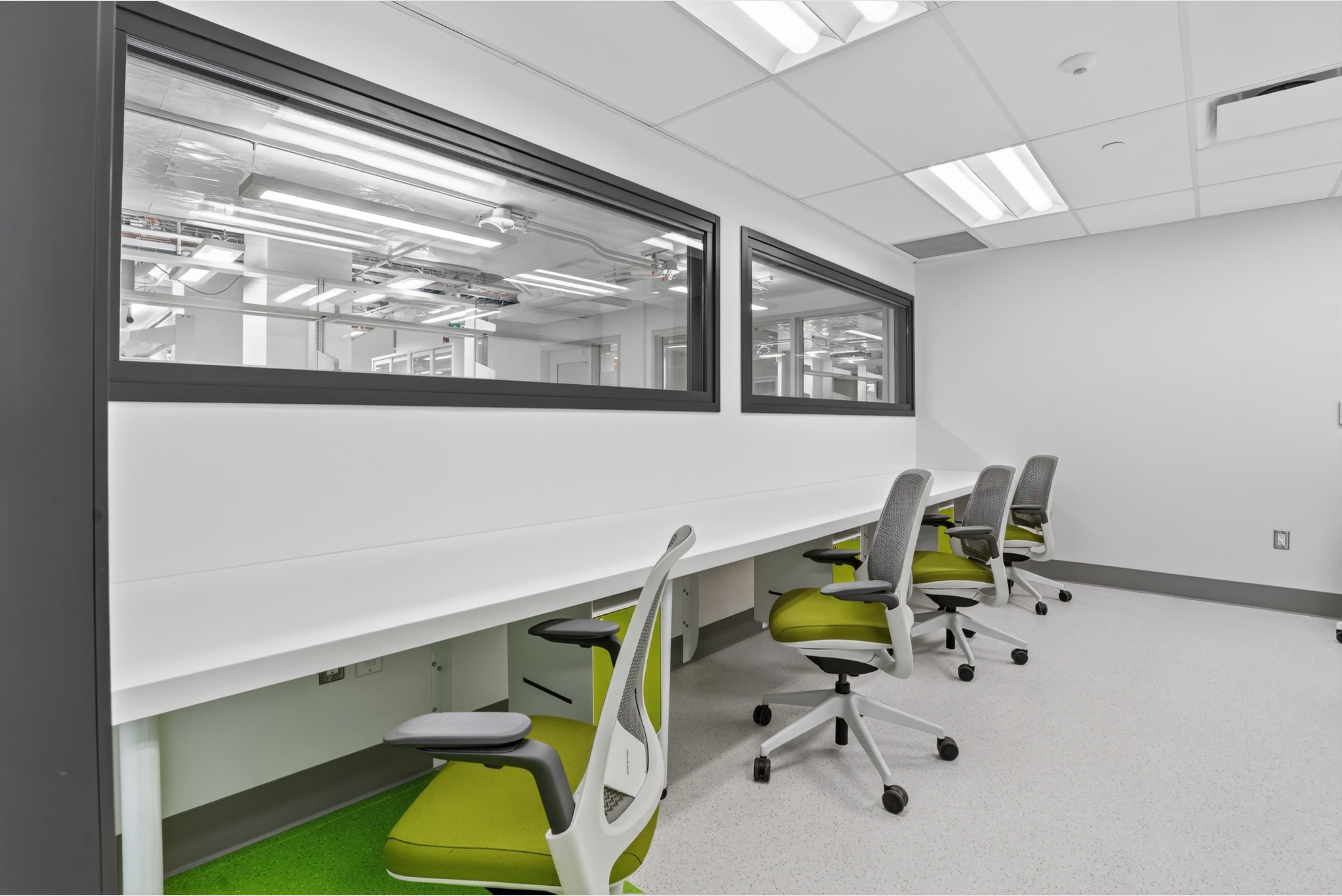
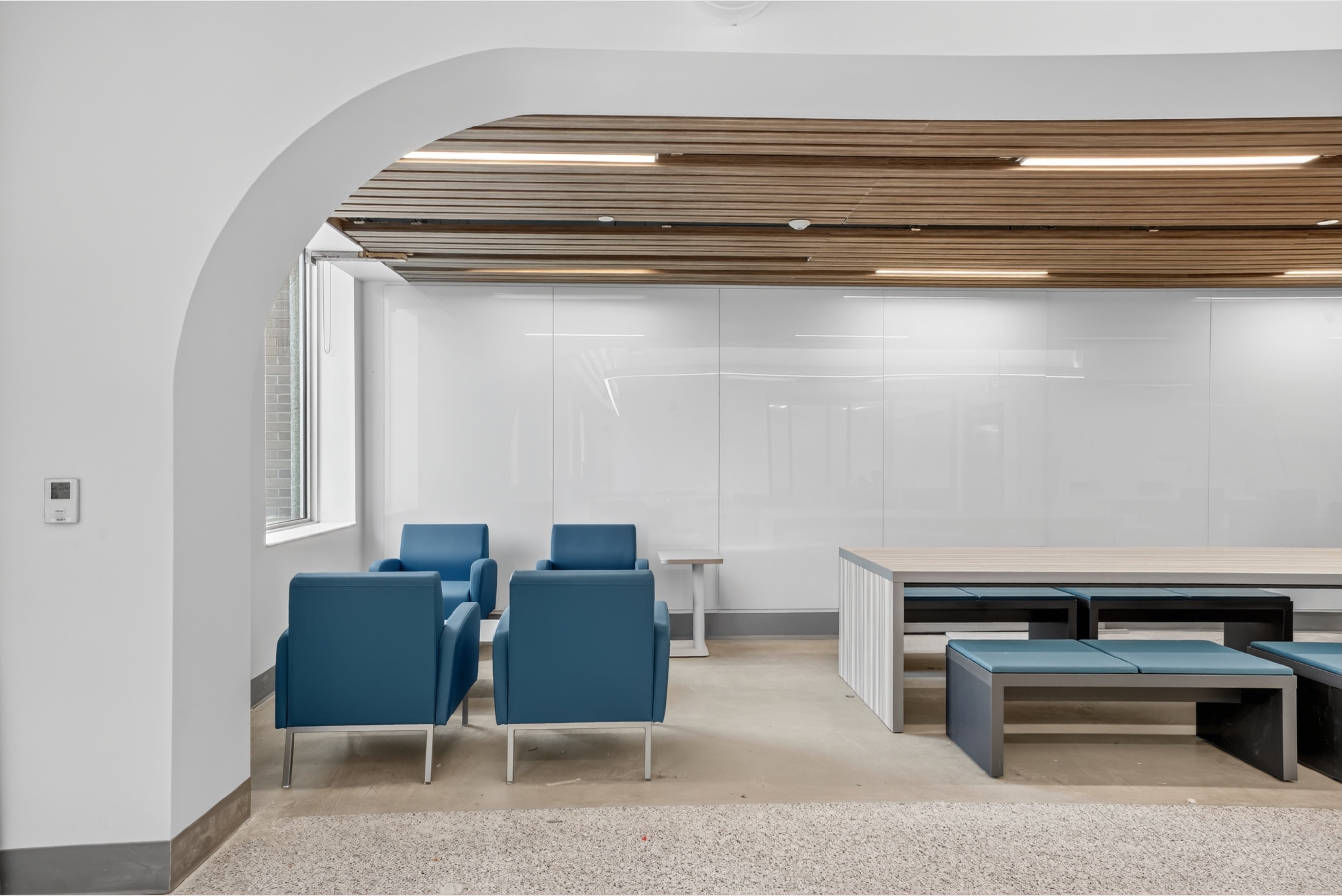
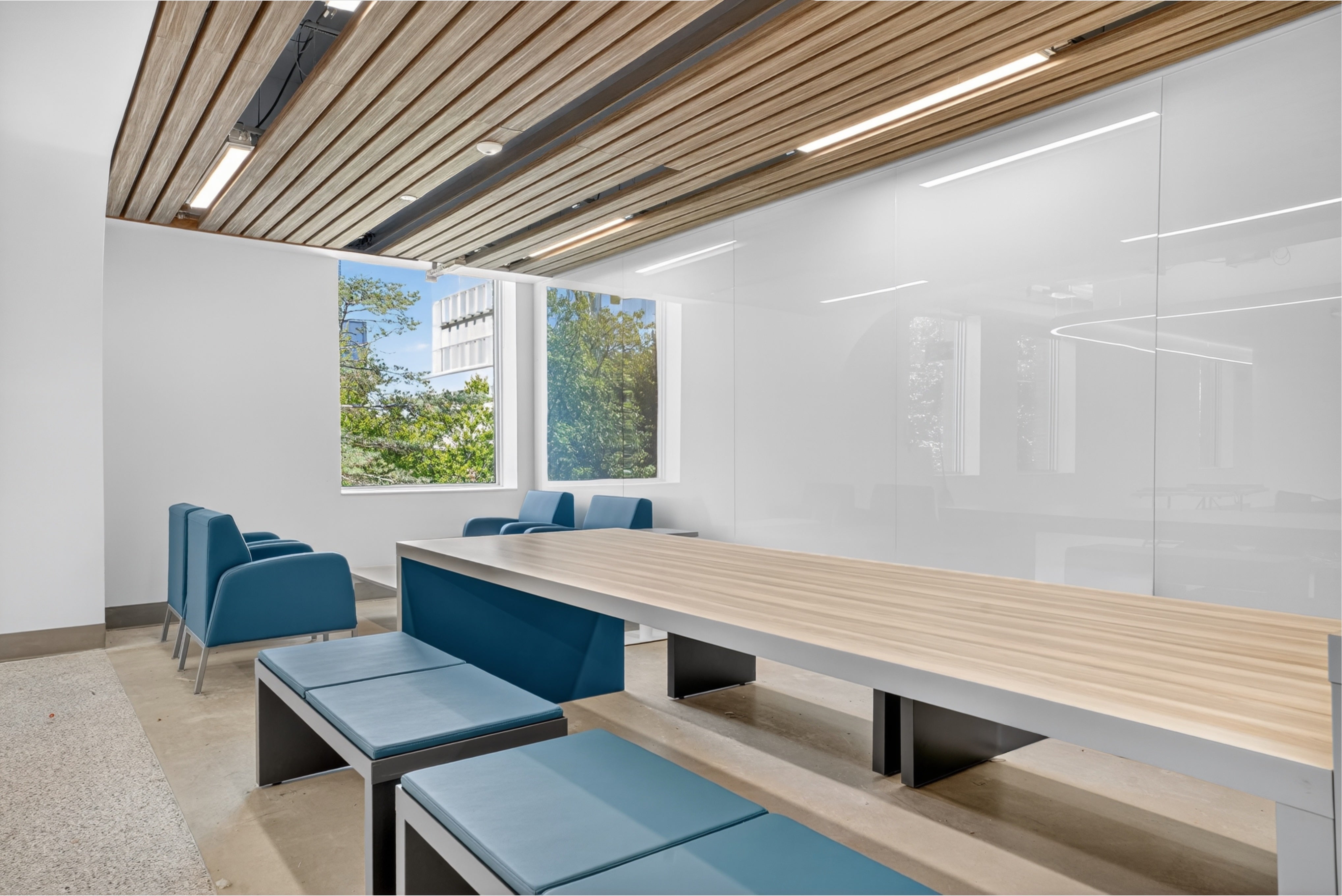
“The interface between the lab and the student office space is fantastic for collaboration,” Corrigan says. “Everything used to be separate, and there was very little cross-pollination. Now there is space in and around the labs and also between them, so there’s more opportunity for networking. The common space is fantastic for our undergraduates, too, who don’t currently have this.”
The new labs will house faculty in synthetic chemistry who rely on fume hoods to vent potentially dangerous gases from the chemicals they work with. These fume hoods were a key feature of the renovation.
“Everything we do takes place in a fume hood,” says Derek Schipper, Associate Professor, one of the first occupants. “Ventilation is very important to our work, and moving into this brand-new space means we don’t have to worry about our ventilation requirements.”
But the new fume hoods won’t just be able to handle more capacity. They are also a key component of how the new labs will better meet sustainability goals.
“Fume hoods generally run on what’s called a constant volume, which means they extract as much air as they’re set up to, whether or not you’re using them,” Ditty explains. “These new hoods have variable air volume, meaning they consume a lower amount of air when not in use. It’s just as safe for containment but more energy efficient.”
Mary Georgious is one of the principals at mcCallumSather, the architectural firm engaged to work on the Science Renewal Masterplan, and the mastermind behind these efficiencies. “Minimizing the amount of outdoor air you’re bringing into the space is one way to support energy recovery,” Georgious says. “With low flow hoods, you’re moving a lot less air, which can correlate with at least a 30 percent reduction in energy consumption.”
Georgious also made sure the labs were ready for longer-term sustainability plans by preparing them to connect to a future geothermal system. A geothermal system utilizes the relatively constant underground temperature to regulate a building’s temperature by pumping heat from the ground in cooler weather and to the ground in warmer weather via a system of underground piping. While the university isn’t currently connected to a geothermal system, this renovation will allow it to do so easily if that option becomes available.