
What was once a thriving gold mine is now one of Canada’s most important environmental challenges. Buried beneath Giant Mine in Yellowknife is 237,000 tonnes of soluble and toxic arsenic dust. It was stored underground to prevent further contamination of the nearby lakes, rivers, and soils with arsenic and other dangerous elements like antimony that occurred during the early years of the mine’s operation. Since the mine was abandoned, preventing the release of these contaminants from the underground has been a priority for the Government of Canada.
While Canada has thousands of abandoned and contaminated mine sites, Giant Mine stands apart because of its proximity to Great Slave Lake and the more than 20,000 residents of the City of Yellowknife, the Yellowknives Dene First Nation, and other Indigenous communities. As a PhD candidate in Earth Sciences, Kevin B. White is focused on using stable isotopes as tools for improving the environmental monitoring and assessment of remediation strategies for arsenic as part of a national research program led by the Giant Mine Oversight Board. Community consultation is a core mandate of the Board, giving White the opportunity to share his research with those most affected.

Kevin B. White, (he/him), PhD Candidate in Earth Sciences (Water)

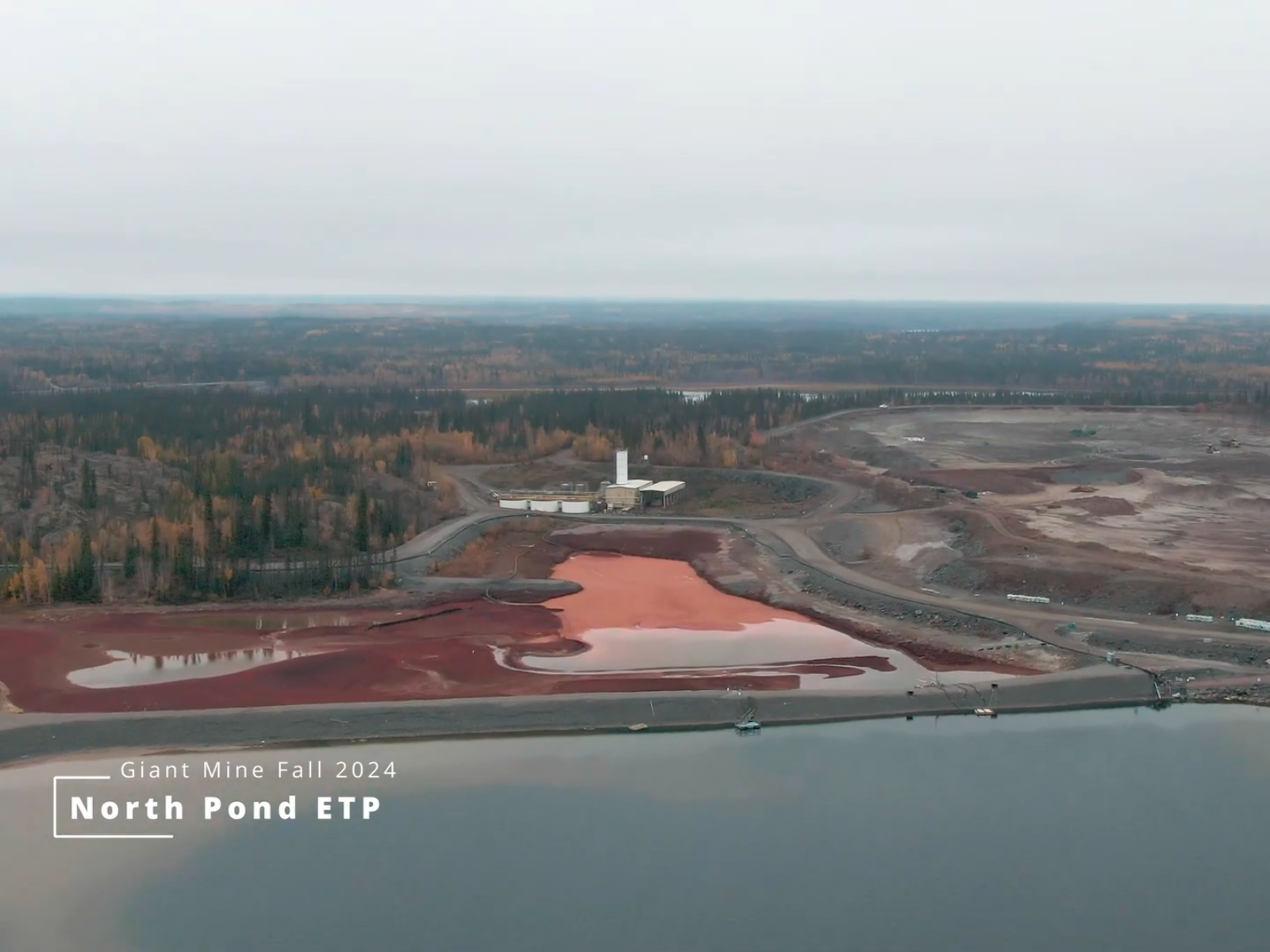
The Effluent Treatment Plant (ETP) at Giant Mine in 2024. Giant Mine Oversight Board.

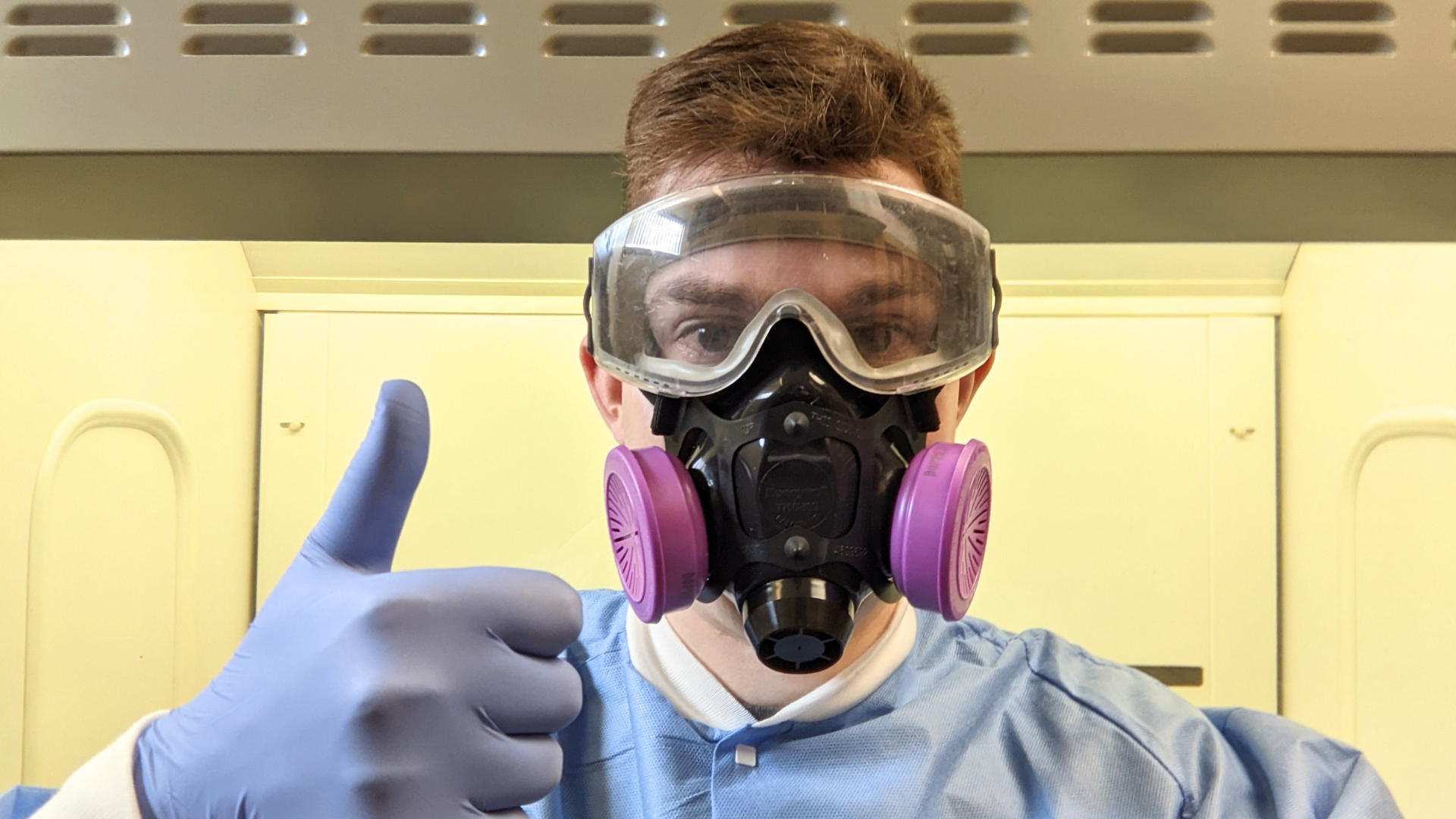
Kevin B. White in the lab before he started his research work on arsenic dust.

Kevin B. White, (he/him), PhD Candidate in Earth Sciences (Water)

Kevin B. White, (he/him), PhD Candidate in Earth Sciences (Water)
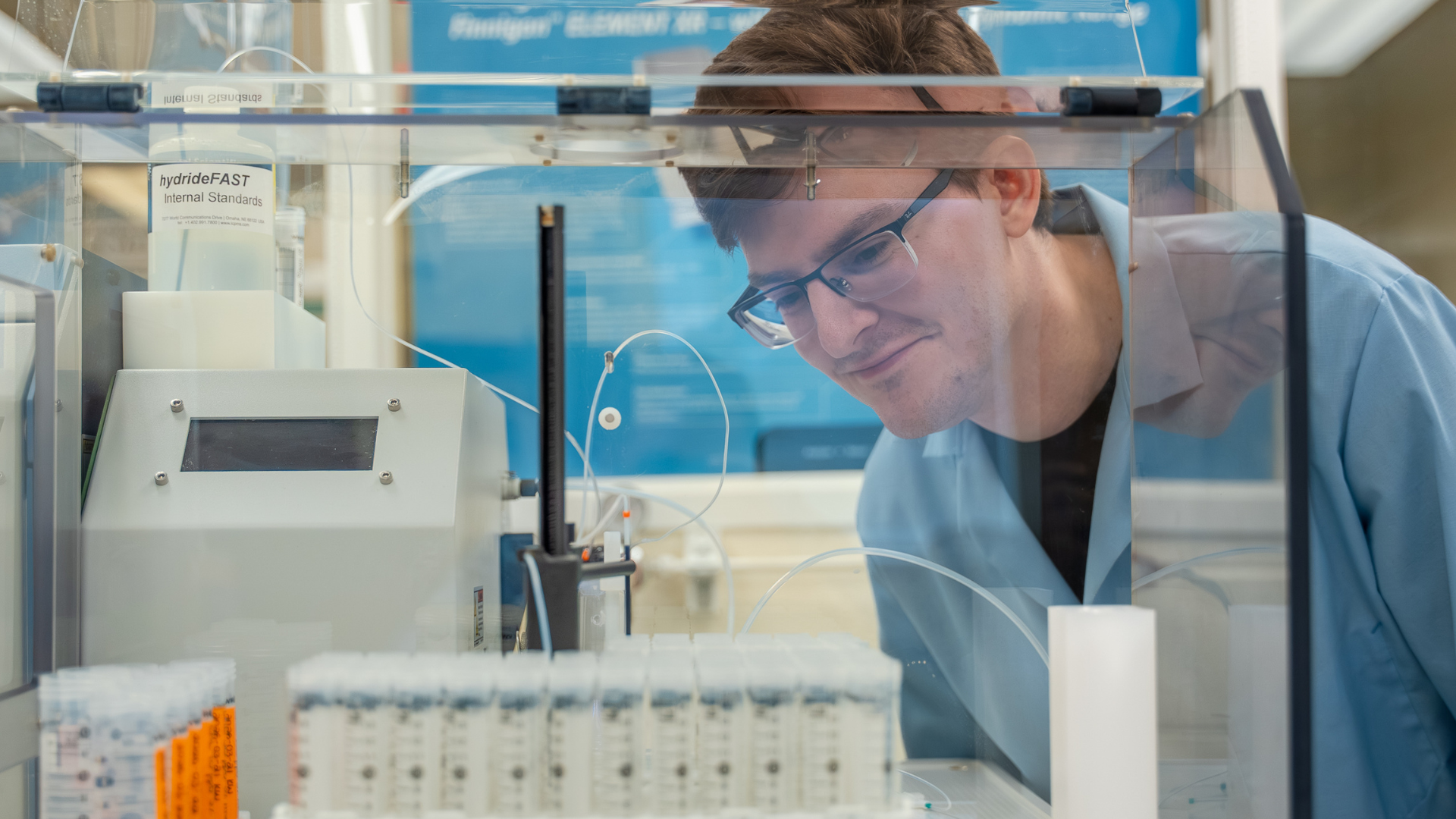
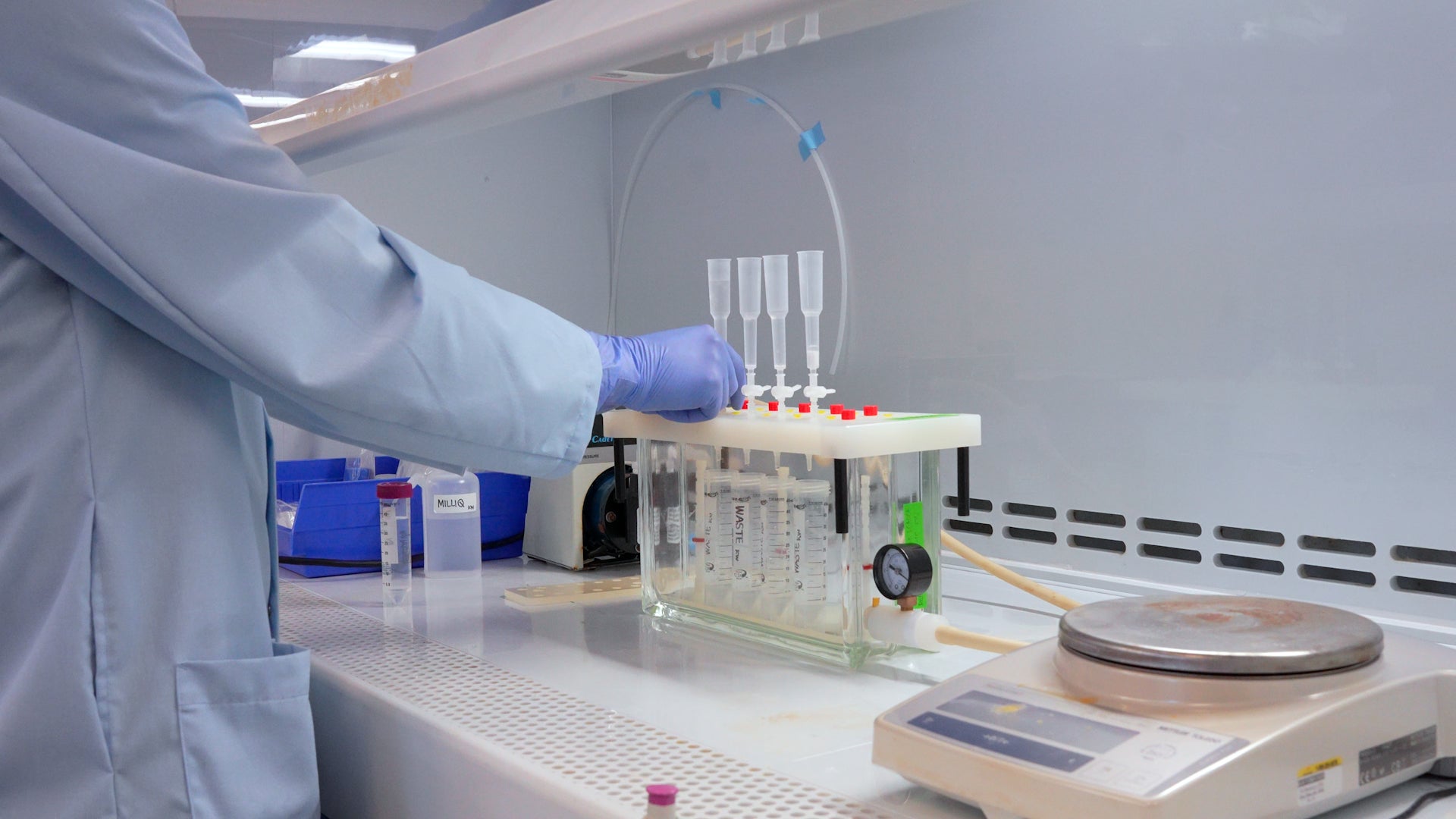
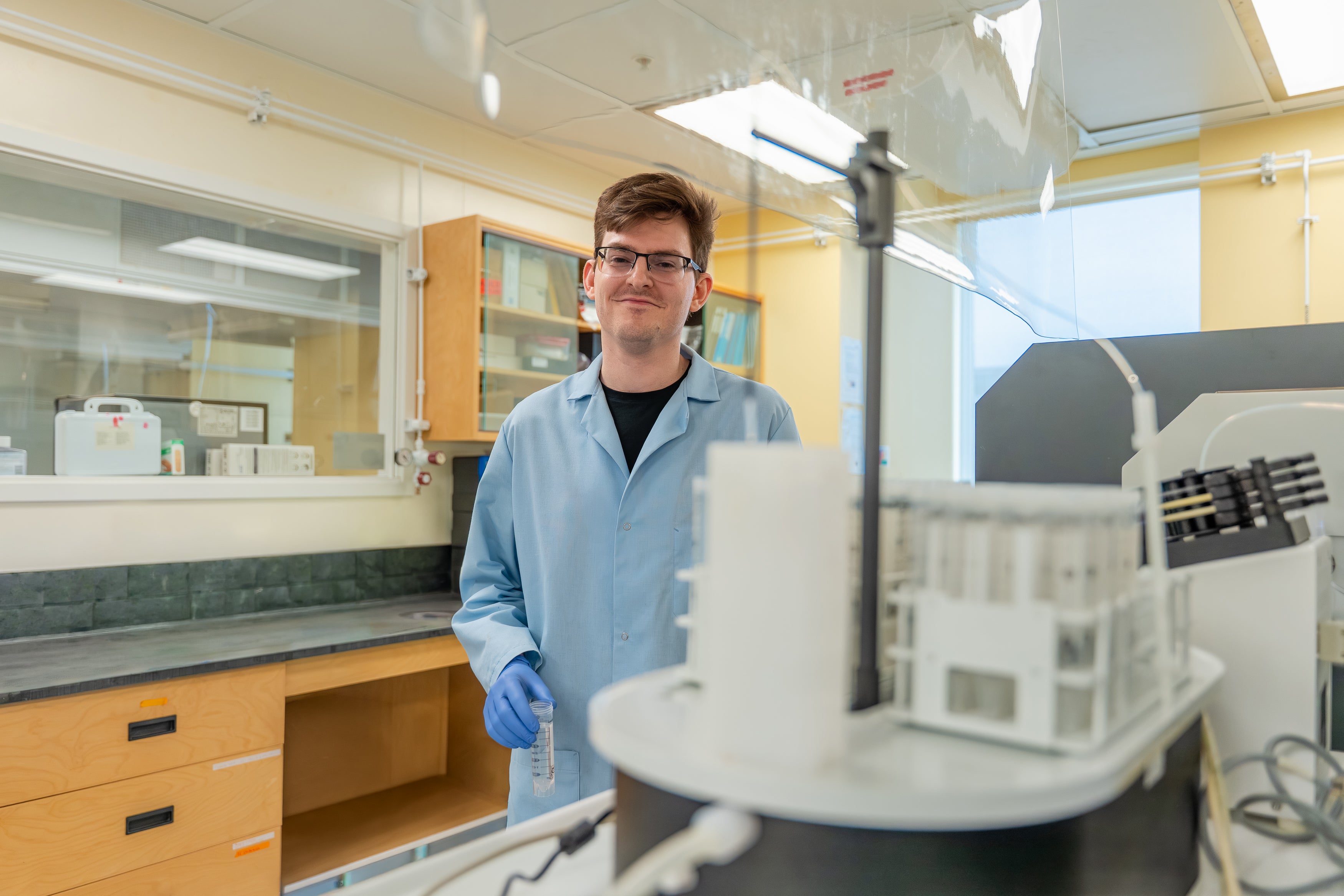
Upon completing his bachelor’s at the University of Guelph, and master’s at the University of Saskatchewan, both focused on environmental toxicology, White moved to Europe and worked as a research scientist at RECETOX at Masaryk University in Czechia for several years. Throughout his career, his research has centered on how pollutants move through the environment, what effects they have, and how they can be cleaned up. He has studied everything from pesticides in agricultural soils, to metals in Alberta’s oil sands waterways, to persistent organic pollutants drifting through the atmosphere across Europe and Africa.
When he decided to come back to Canada to pursue a PhD, he started looking for interesting research opportunities related to contaminated mine sites. He landed at the University of Waterloo in the Groundwater Geochemistry and Remediation Research Group led by supervisors, Dr. David Blowes and Dr. Carol Ptacek in the Department of Earth and Environmental Sciences. Since he was working at an interdisciplinary environmental research institute at the time, he was also keen to join the Collaborative Water Program.
At Waterloo, White turned his attention to finding solutions to Giant Mine’s toxic legacy. To develop a long-term remediation and management plan for Giant Mine, it is critical to first understand the sources and movement of contaminants and water above and below ground. Scientists can measure different forms of elements, called isotopes, to trace where pollution comes from—almost like using fingerprints in the environment. This works for many contaminants, but not for arsenic, because it only has one isotope, so this technique can’t be used directly. To solve this problem, the research team proposes using antimony isotopes as a proxy for tracking arsenic, as this element does have different isotopes and behaves similarly to arsenic at Giant Mine. As part of this work, White recently co‑authored a paper comparing the geochemistry of arsenic and antimony at contaminated mine sites around the world.
Through his PhD, White also discovered a passion for teaching students. Looking ahead, he plans to continue his research as a postdoctoral fellow after graduation, with the long‑term goal of becoming a professor, where he can combine research, education, and community‑engaged science to address complex environmental challenges.
Interested in conducting research in graduate school?