Congratulations to five incoming Data Science and Artificial Intelligence master’s students who are the recipients of the Vector Scholarship in Artificial Intelligence. In addition to two students who opted to remain anonymous, the awardees include Sarvesh Ingale, Ramprakash Raja, and Shukun Zhang.
The Vector Institute gives $17,500 entrance scholarships to “exceptional candidates pursuing a master’s program” in AI research in Ontario. The Institute was founded in 2017 with the purpose of driving “excellence and leadership in Canada’s knowledge, creation, and use of artificial intelligence.” Since its founding in 2018, they have awarded more than 800 scholarships.

Sarvesh Ingale

Ramprakash Raja
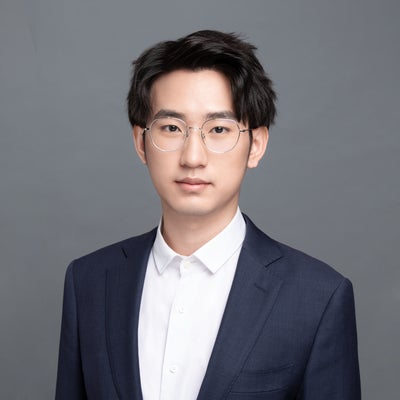
Shukun Zhang
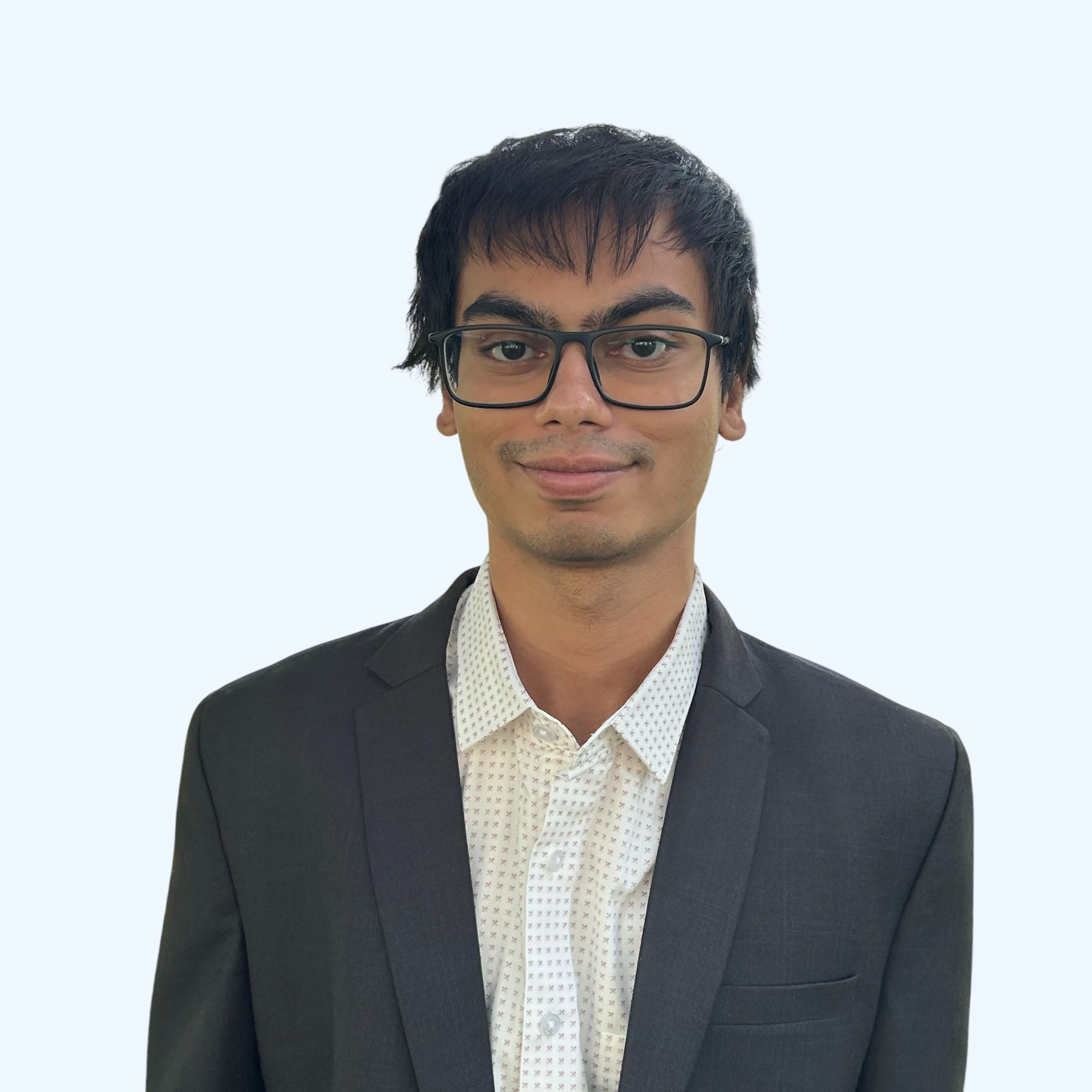
Sarvesh Ingale
BSc Computer Science, University of Texas at Arlington,
It feels incredibly rewarding and motivating to receive this recognition from the Vector Institute. I am grateful to the Vector Institute and the University of Waterloo for this opportunity and for their confidence in my potential. I would especially like to thank my professors Dr. Christoph Csallner and Dr. Alex Dilhoff for their guidance and support throughout my academic journey, as well as my family, mentors, and friends for their constant encouragement.
I am especially excited about gaining hands-on industry experience and applying AI and data science to real-world problems. More broadly, I am interested in how AI can help people make better decisions by finding useful patterns in large amounts of data. I find this field exciting because AI is becoming increasingly important across industries such as healthcare, finance, technology, and education, and it has the potential to create meaningful impact at scale.
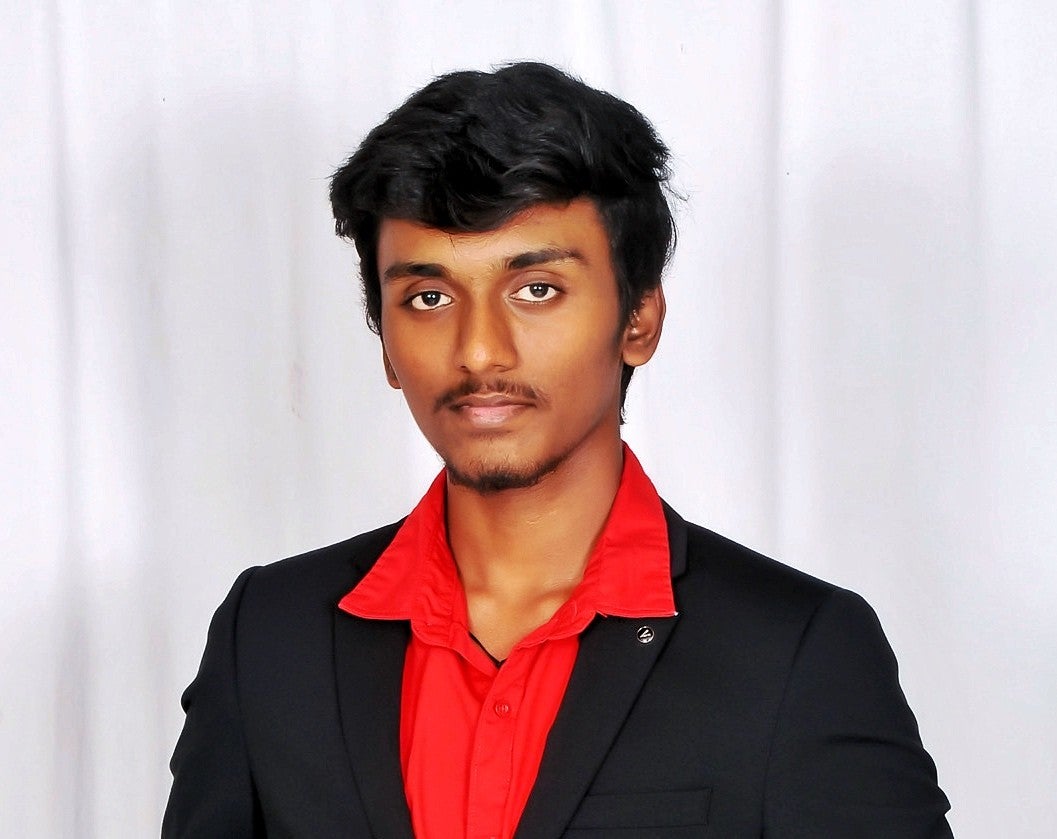
Ramprakash Raja
BTech Computer Science and Engineering (Artificial Intelligence and Machine Learning specialization), SRM Institute of Science and Technology
Receiving the Vector Scholarship is deeply humbling, and feels like a definitive validation of my transition from a student into a dedicated AI researcher. I want to express my deepest gratitude to my family and friends, whose unwavering support and sacrifices made this global leap possible. I am also deeply thankful for my time as a Google Student Ambassador. A defining moment of my journey was a private technical briefing I had with Google CEO Sundar Pichai earlier this year. Discussing the future of AI among students with him reinforced a vital lesson: true technological impact requires both absolute technical mastery and a humble commitment to solving human-centric problems.
My primary research focus is on latency optimization in Retrieval-Augmented Generation (RAG) environments. In practical terms, as enterprise AI models scale, they face massive computational bottlenecks when trying to pull highly specific information from vast, unstructured datasets. Rather than treating AI as a “black box,” my research focuses on optimizing the underlying algorithmic architecture. It is about making advanced AI not just intelligent, but highly scalable and cost-effective for real-world, high-traffic applications. I chose the MDSAI program specifically because of its unparalleled mathematic rigour and the integrated co-op, which will serve as a critical laboratory for me to tackle complex scalability challenges.
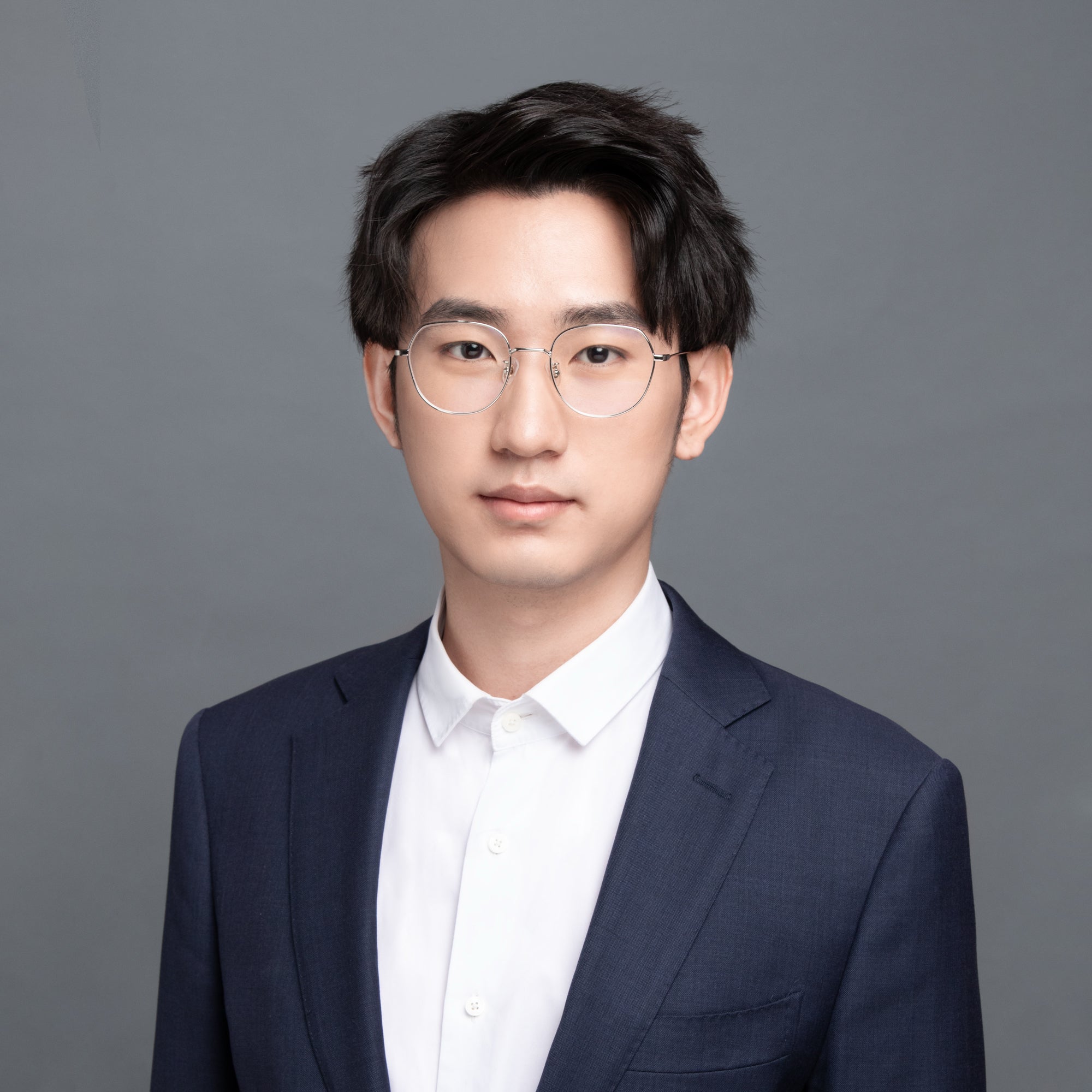
Shukun Zhang
BSc Computer Science and Mathematics, Tufts University
I’m very grateful and excited to receive this recognition. It feels encouraging to have my past work and future research interests recognized through the Vector Scholarship. I’d like to thank my professors, mentors, and friends who supported me throughout my academic journey and inspired my interest in AI research. I’m also especially thankful to my family for always encouraging me to pursue what I’m passionate about.
My research at Waterloo will focus on trustworthy AI agents, including areas such as AI security, agent reliability, and data privacy. I am interested in building AI systems that people can safely trust in real-world applications. As AI agents become more autonomous and are increasingly used to handle sensitive information and make important decisions, it becomes critical to ensure they are secure, reliable, and privacy-preserving. I hope to develop methods that help AI systems better protect user data, resist malicious attacks, and behave more safely and responsibly. I find this area especially exciting because trustworthy AI will play an important role in shaping how society adopts and benefits from intelligent technologies in the future.