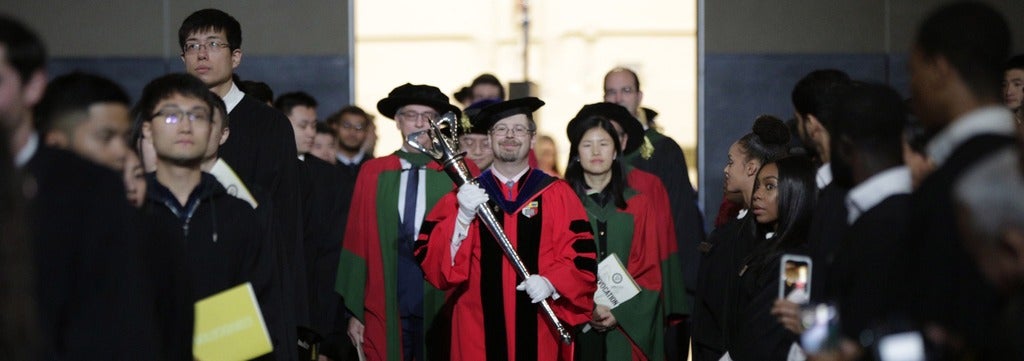
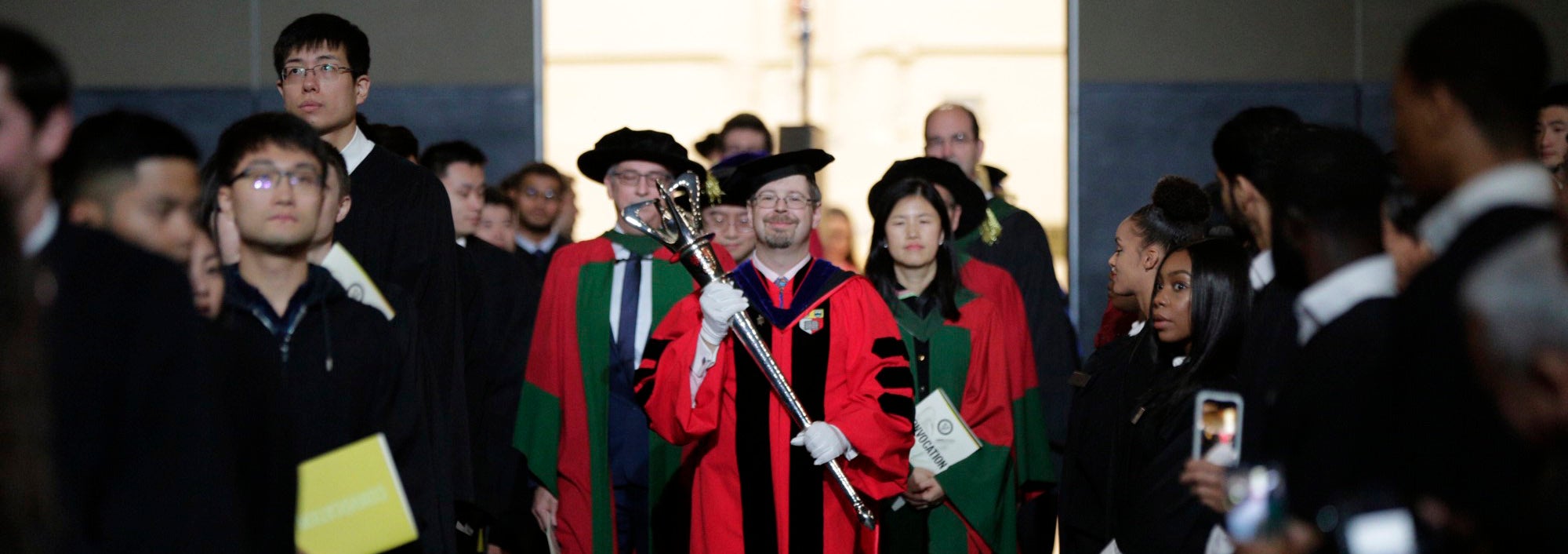
594 students confer today

Today the Faculty of Mathematics adds 594 alumni for a total of 39,476 in 106 countries. This includes:

Today the Faculty of Mathematics adds 594 alumni for a total of 39,476 in 106 countries. This includes:
Computer science doctoral student Mike Schaekermann, Dr. Joslin Goh and Schaekermann’s cosupervisors, Professors Kate Larson and Edith Law, have received a best paper award at CSCW 18, the 21stACM Conference on Computer Supported Cooperative Work and Social Computing.
Technology-assisted review (TAR) — an automated process used to select and prioritize documents for review, pioneered by Research Professor Maura Grossman and Professor Gordon Cormack — was used for the first time by a state archive to classify emails from the administration of former Virginia Governor Tim Kaine for release to the public.
Research Professor Maura Grossman has been named as a Leading Individual in Canada for her contributions to eDiscovery by Who’s Who Legal 2018.
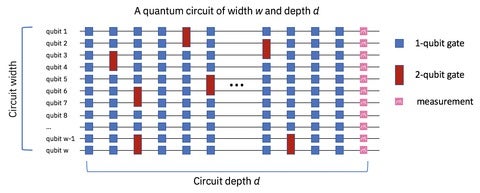
Written by Institute for Quantum Computing staff
Distinguished Professor Emeritus Don Cowan has received a CANARIE Award to expand iEnvironment++, a software platform that supports environmental science and engineering research on surface water. CANARIE, a component of Canada’s digital infrastructure supporting research, education and innovation, yesterday announced 20 successful recipients of its research software funding call.
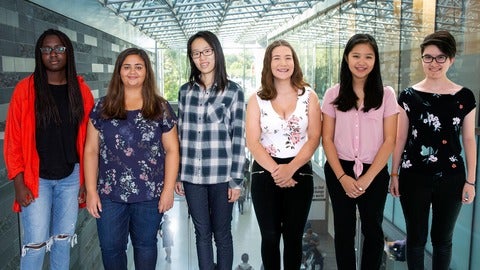
Half of the six first-year students to receive HeForShe IMPACT 10x10x10 scholarships from the University of Waterloo study in the Faculty of Mathematics.
For the three recipients, this scholarship supports more than just their finances – it keeps their focus on their passion.

Four Faculty of Mathematics researchers, whose research is deemed on the verge of a breakthrough, will receive supplemental funding from the Natural Sciences and Engineering Research Council (NSERC).
In all creative endeavors, we are inspired by the work of others to move the frontiers of our intellectual interests forward. Our experiences, in work and life alike, challenge us to grow and evolve. This process allows us to realize the quintessential goal of education: to change ourselves.
The incredible explosion in the power of artificial intelligence is evident in daily headlines proclaiming big breakthroughs. What are the remaining differences between machine and human intelligence? Could we simulate a brain on current computer hardware if we could write the software? What are the latest advancements in the world's largest brain model?
Participate in the discussion about what AI has done and how far it has yet to go, while discovering new technologies that might allow it to get there.
Complimentary tickets are required for this lecture.