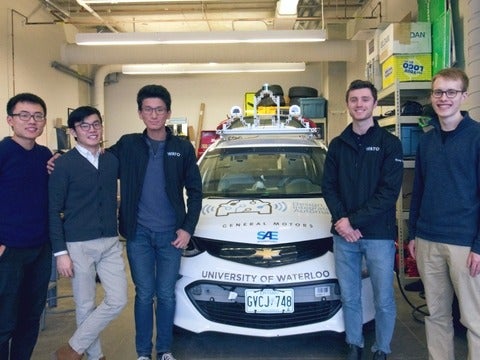
A crash course in startup management
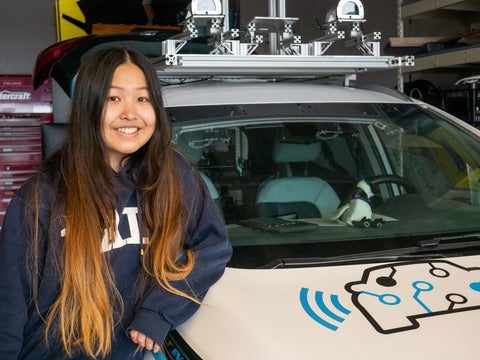
“Looking around the table at WATonomous, it’s amazing to see people come together to create something extraordinary.”
Researchers have developed a method that can identify future COVID-19-like viruses within minutes, which could allow for quicker development and deployment of vaccines and treatments.
In a new study, researchers at the University of Waterloo used a machine learning-based alignment-free approach to accurately and rapidly identify and classify COVID-19 virus genome’s relationship with other viruses.
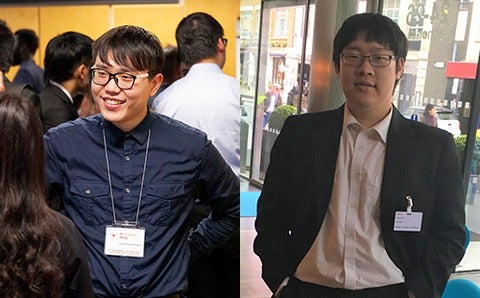
For two graduate students at Waterloo, unraveling the mysteries of the human genome requires more than just science. These two students, both given a departmental research presentation award by the Department of Statistics and Actuarial Science, are passionate about bringing their skills to the field of biostatistics.
Learn more about the research of Qihuang Zhang and Ce Yang.
“Waterloo is a place where students have the opportunity to try so many different things.”
Many students feel pressured to decide on a defined career path early on in their undergraduate career. Joy Zhang isn’t one of them. The second-year Financial Analysis & Risk Management (FARM) student is embracing the opportunity to explore her options in her time at the University of Waterloo.
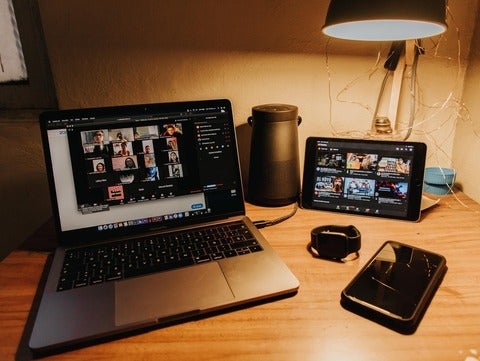
As global COVID-19 lockdowns have us sitting through days of videoconferences, it becomes clear that paying attention online is hard work.
In two new papers, researchers from the University of Waterloo and Microsoft Research explore people’s attentiveness in videoconferences to understand how to make the online meetings more comfortable and effective.
The University of Waterloo’s first-ever virtual Concept $5K competition challenged entrepreneurs to pitch to an online audience instead of a packed auditorium. Confident in the value of their creation, the founders of Reflect rose to the occasion and walked away with $5,000 to invest in their growing business.
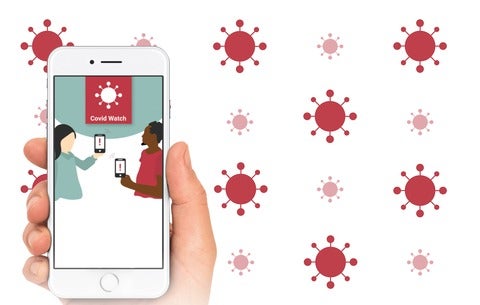
Waterloo’s Department of Applied Mathematics PhD candidate James Petrie is among a group of volunteers who have combined their knowledge to develop Covid Watch, an app that uses Bluetooth to detect when users are in proximity to each other and alerts them anonymously if they were in contact with someone later confirmed to have COVID-19. The app uses privacy-preserving measures so that no one, including the government, can track down who exposed whom.
The following was excerpted from an article published on the website of CS-Can/Info-Can, the nation’s professional society dedicated to representing all aspects of computer science and the interests of the discipline to Canadians.
It’s not about building technology; it’s about finding a solution to an existing problem for the research group of Ihab Ilyas, a professor at the Cheriton School of Computer Science.
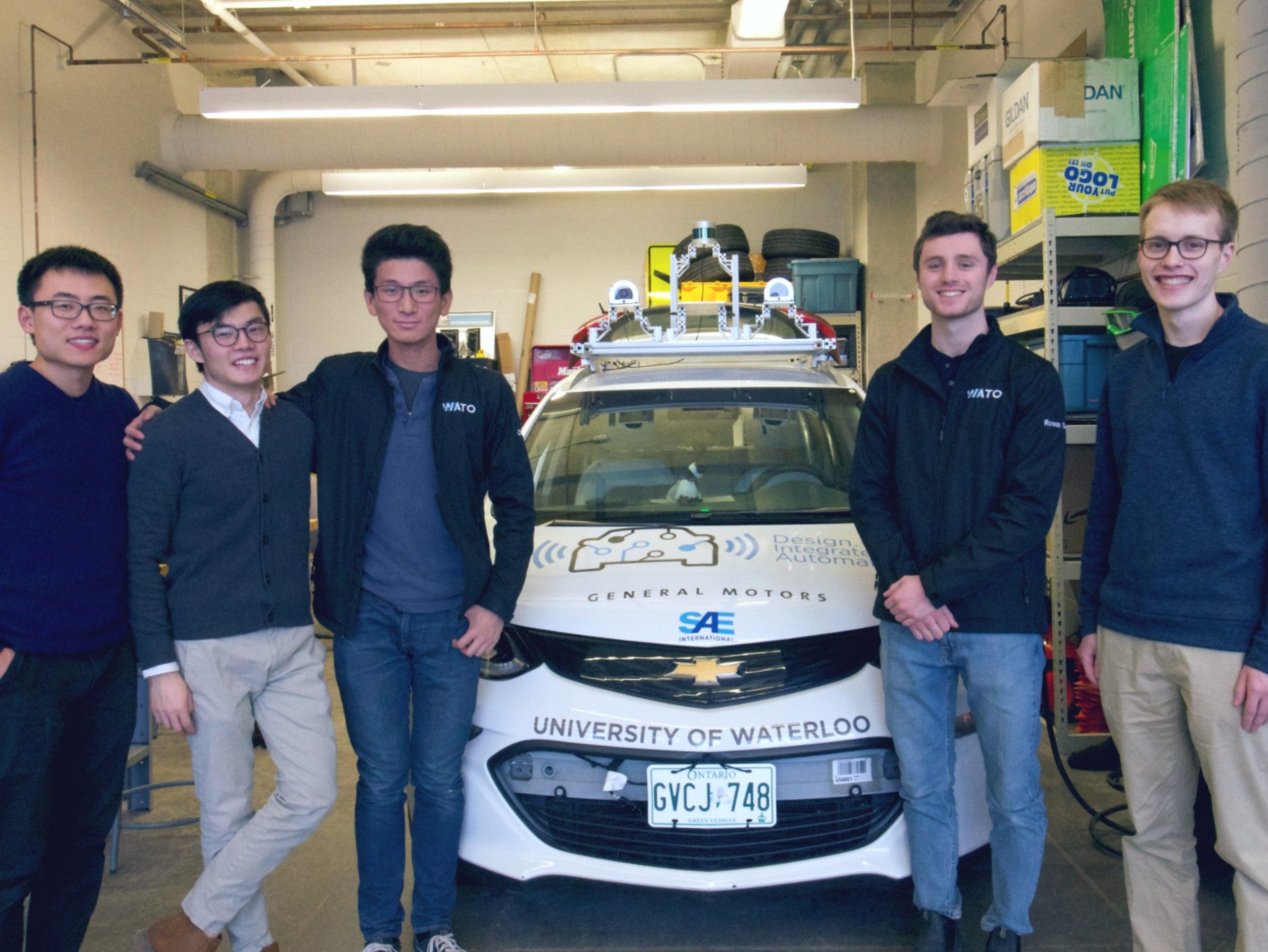
The leaders of Waterloo’s student-run autonomous vehicle team have run into their fair share of roadblocks, but they’re not stopping now.

From left to right: Ben Zhang, Ray Li, Charles Zhang, Rowan Dempster, and John Phillips
Some jurisdictions in Canada and around the world are using cell phone data to track the spread of COVID-19. How would this work? What are the privacy concerns around using personal data for this purpose?