News

Filter by:

Limit to news where the title matches:
Limit to items where the date of the news item:
Date range
Limit to news items where the audience is one or more of:

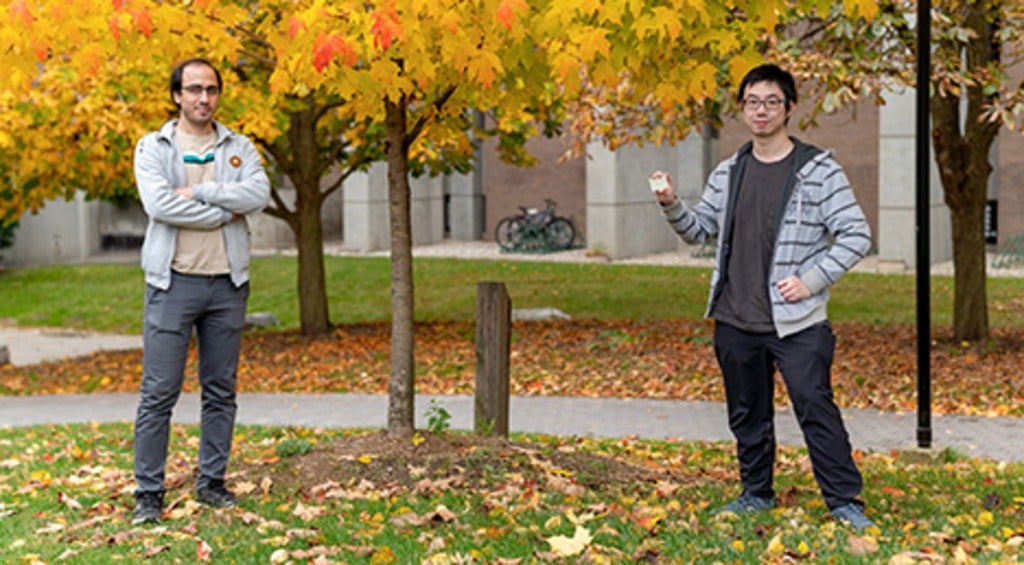
A fault called partial partitioning has been identified as the culprit of catastrophic computer system failures. The good news is that researchers have not only identified it; they have figured out how to fix it.

Computer scientists at the University of Waterloo identified the fault, which can cause data loss, system crashes, or data corruption in many computer systems.

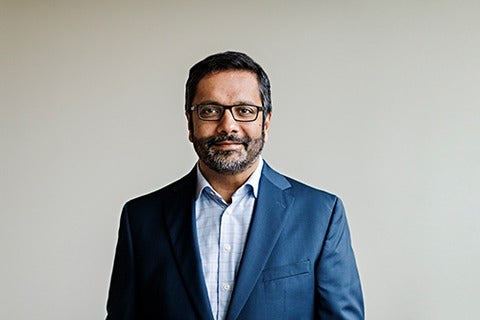
Axelar, a decentralized network that connects application builders with blockchain ecosystems, applications and users, has raised $3.75 million USD in seed funding from Silicon Valley investors, including DCVC, a San Francisco–based venture capital firm specializing in deep tech, and notable blockchain companies and investors such as Binance X, Lemniscap, Collab+Currency, North Island Ventures, Divergence Ventures, Cygni Labs, and others.

Thursday, November 19, 2020

The logic of math

Every mathematician solves math problems, but only a handful of mathematicians study the logical reasoning that they and their colleagues use to solve problems. They focus on the journey, not just the destination. 

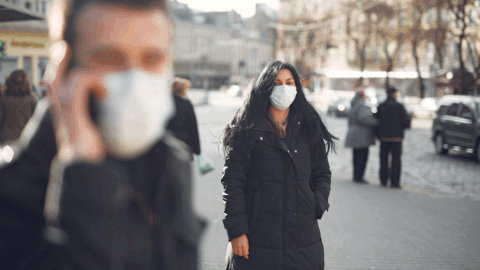
The main difference between current wireless networks and 5G networks comes down to two words — speed and latency.

5G networks are expected to be up to 100 times faster than current networks. And at that speed, 5G drastically cuts latency when connecting to the network, the lag between instructing a computer to perform a task and its execution. One thing we know with certainty — by delivering mountains of data at warp speed wirelessly, the impact of 5G will be enormous and it will be felt across all sectors of society.

Thursday, November 12, 2020

Unsolved puzzles

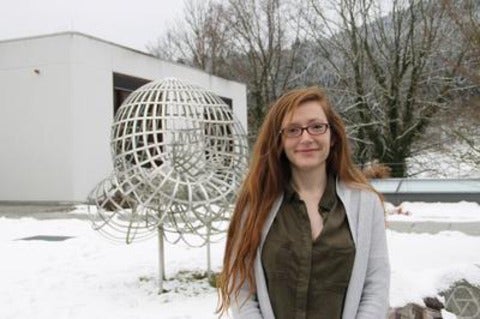
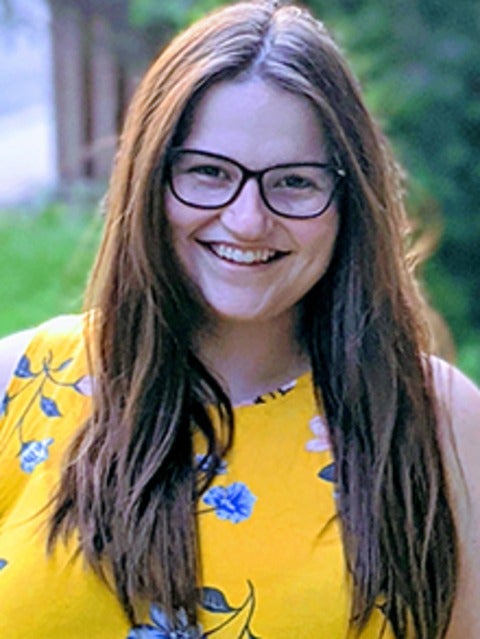
“When I was a kid, I always begged my parents to buy me those little Mind Benders puzzles,” remembered Rose McCarty. “My favorite puzzles were the ones that were so difficult that I wasn’t sure whether or not I could actually solve them. At Waterloo Math, I’m the one coming up with different puzzles to solve. I have an opportunity to tackle big, imprecise, unwieldly problems that determine what my field will look like in 20 years.”

Friday, November 6, 2020

Learning to teach

Hayley Reid almost attended another university. “I was leaning in a different direction, but Waterloo Math blew me away on Visitation Day,” she remembers. “There was a real sense of community, which was a key factor for me.” Hayley also had the opportunity to meet Dr. David McKinnon, her future PhD supervisor who introduced her to an area of research that blends geometry with number theory. “It was my first exposure to the field, and I was sold,” she says. She committed to a master’s degree in pure mathematics and never looked back.

Friday, November 6, 2020

Insuring a global pandemic

COVID-19 and climate change set to impact the insurance industry significantly

The repercussions of COVID-19 and worsening climate change are among the issues that will impact the insurance industry, according to Tony Wirjanto, University of Waterloo professor.
 

Thursday, November 5, 2020

Asking the right questions

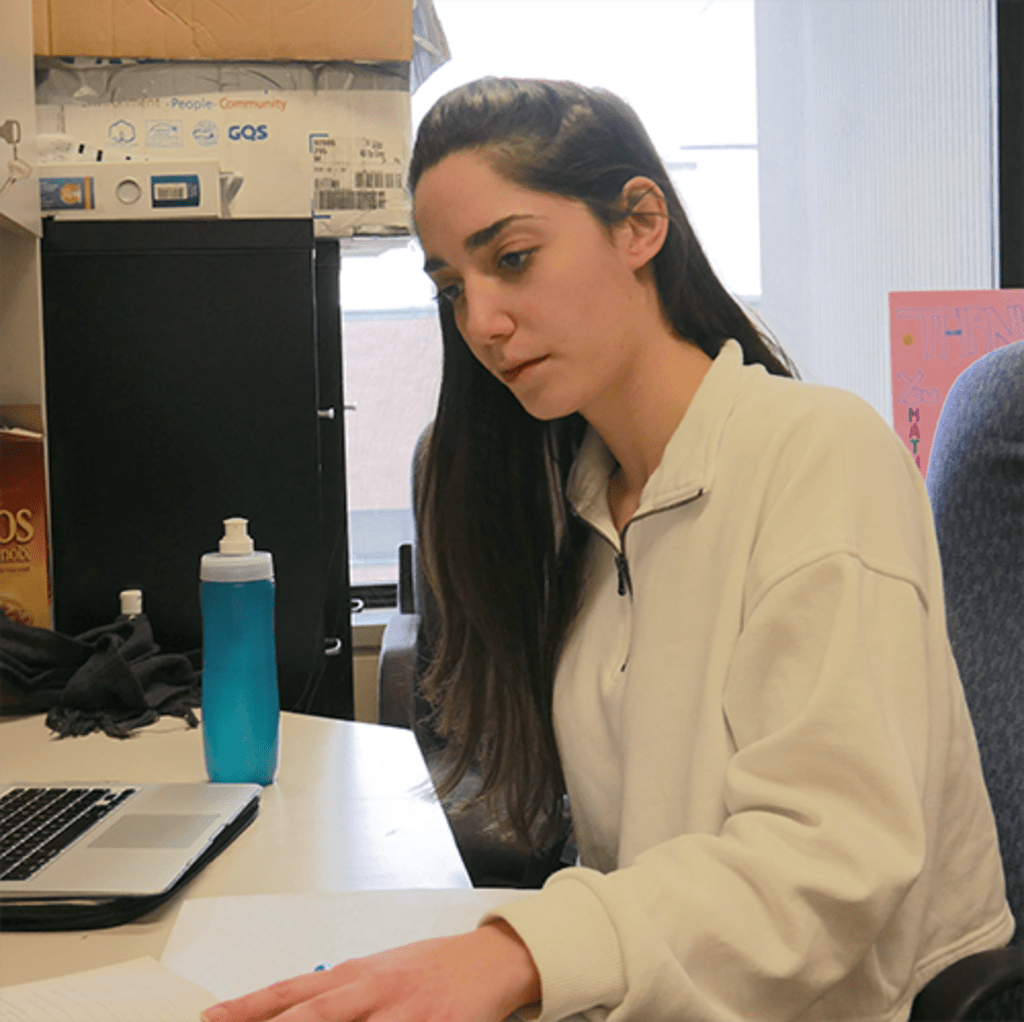
As a student at a high school where two of the three math teachers were alumni of the Faculty of Mathematics at Waterloo, Eli Margolis learned to love math at a young age. “I appreciated the clarity of the problem-solving aspect,” she reflected. “There was always a right and wrong answer, always a correct way of figuring something out if you searched hard enough.”