When Lindsie Driver was 16 years old, she had an experience that shaped the direction of her future career.
Working on a substance misuse team that supported at-risk youth, she discovered a passion for helping young people overcome challenges and reach their full potential.
What began as an early volunteer experience sparked a lifelong commitment to youth engagement, health, and community impact.
When it came time to choose a university program, she knew she wanted an education that would help her transform that passion into a meaningful career.
She found exactly that in Waterloo's Therapeutic Recreation program.
Today, Lindsie serves as Youth Engagement Lead at KidsAbility, where she works directly with young people and their families, creating opportunities for youth empowerment, participation, and leadership.
Her journey demonstrates how Therapeutic Recreation combines science, healthcare, recreation, and community engagement to improve people's lives.
Choosing therapeutic recreation
Lindsie first learned about Waterloo's Therapeutic Recreation program through Sarah Houston, an academic advisor in the Faculty of Health.
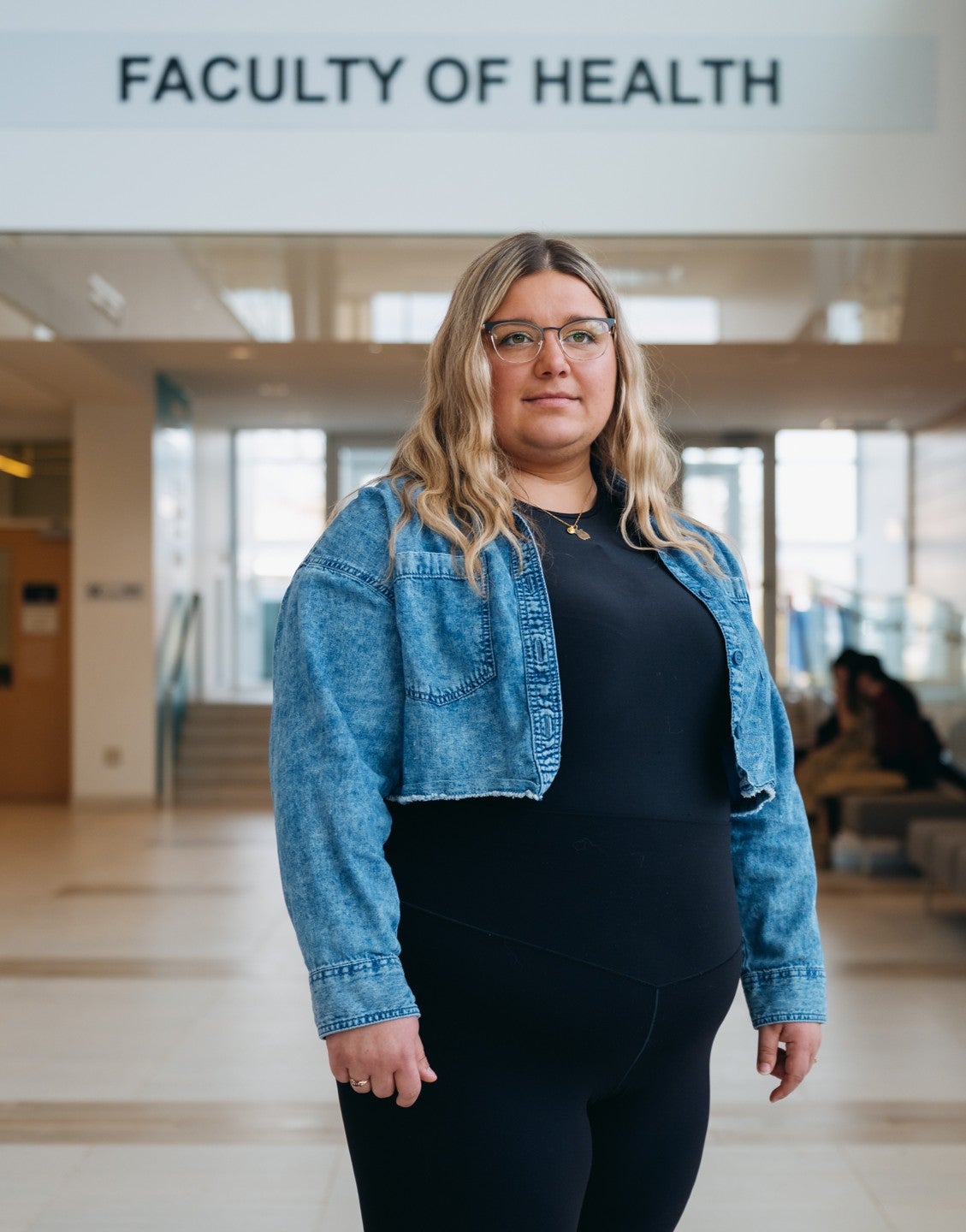
At the time, she already knew two things about herself: she wanted to give back to her community, and she wanted to work with youth.
"I knew I always wanted to give back and work with youth," she says.
The program stood out because it aligned with both her personal values and professional aspirations.
After learning more about the curriculum and career opportunities, she recognized that Therapeutic Recreation would provide the knowledge, practical experience, and skills needed to support people in meaningful ways.
"I knew that this program would really help me achieve those personal and career goals."
Discovering the science behind recreation
Like many students, Lindsie entered the program with a basic understanding of recreation.
She initially viewed recreation much the way many people do: as fun, leisure, and enjoyable activities.
What surprised her most was discovering how evidence-based and purposeful the profession actually is.
"What surprised me the most about the therapeutic recreation program was actually how complex and in-depth it was."
Through her coursework, she learned that Therapeutic Recreation is grounded in research, theory, and intentional practice.
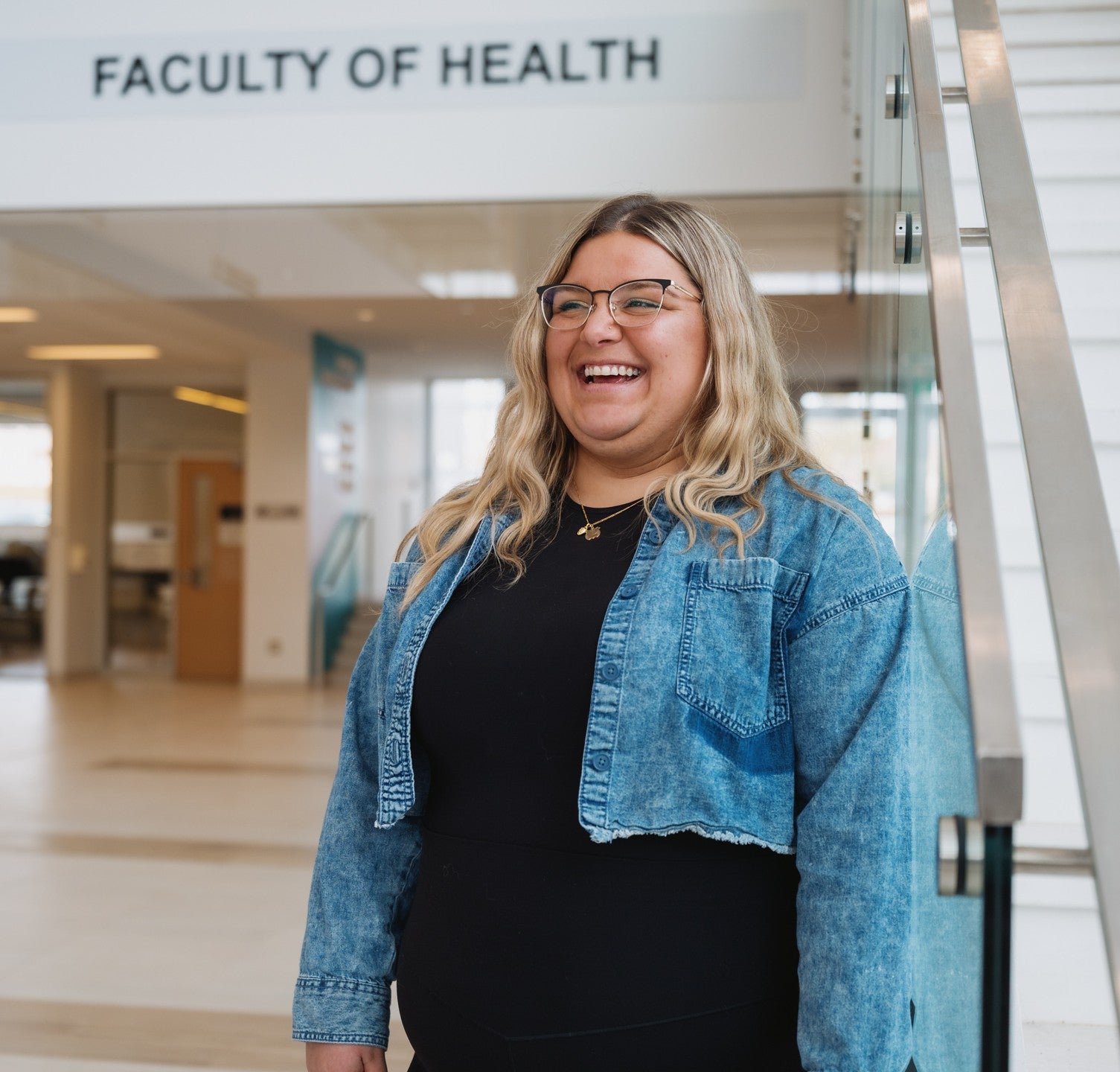
Professionals use recreation to support physical health, mental health, emotional wellbeing, social inclusion, and recovery outcomes.
"I think myself, just like many other people, look at therapeutic recreation and recreation and leisure in general as just having fun. It's a lot more than that."
She learned that recreation is not one-size-fits-all. Effective programs are adapted to each person's unique strengths, goals, interests, and abilities.
That lesson continues to influence how she approaches her work today.
Learning through hands-on experience
One of the most valuable parts of Waterloo's Therapeutic Recreation program was the opportunity to apply classroom learning in real-world settings.
The program includes both practicum and internship experiences, allowing students to gain direct experience working with individuals, families, and healthcare teams.
For Lindsie, these placements became transformational learning opportunities.
"There's a practicum and internship built into the program, so the purpose of these are really to get out there, get that hands-on experience."
She completed placements within a local hospital, gaining experience in both inpatient mental health and rehabilitation services.
These experiences allowed her to see firsthand how recreation can support recovery, wellbeing, and quality of life.
"It was incredible to see the impact of what we were learning and how it can really influence people's lives and recovery."
The opportunity to bridge theory and practice helped build her confidence while reinforcing the value of therapeutic recreation in healthcare settings.
Supporting youth through empowerment
Today, as Youth Engagement Lead at KidsAbility, Lindsie focuses on creating opportunities for young people to share their voices, participate in decision-making, and advocate for themselves.
For her, the most rewarding part of the work is the relationships she builds with youth and their families.
"The most rewarding part of my role is really the interactions I get to have with youth."
She works to create environments where young people feel valued, respected, and empowered.
"My priority is building that space for youth, empowering them, allowing them to have autonomy over decisions."
This approach reflects many of the core principles of Therapeutic Recreation, including person-centered practice, inclusion, engagement, and strengths-based support.
Addressing barriers beyond the individual
While the work can be incredibly rewarding, Lindsie also recognizes the challenges many young people face outside of formal healthcare settings.
One of the most difficult aspects of her role is seeing barriers that can prevent youth from fully participating in their communities.
These barriers may include:
- accessibility challenges
- discrimination
- systemic barriers
- limited opportunities for inclusion
- community supports that do not fully reflect youth needs
"The most challenging part is really the broader effects that they face."
Her work involves not only supporting individual youth, but also helping create environments and systems that allow all young people to succeed.
This systems-focused mindset is an important part of contemporary therapeutic recreation practice.
Why students should consider Therapeutic Recreation
For high school students exploring careers in health and helping professions, Lindsie believes Therapeutic Recreation offers unique opportunities.
The program combines healthcare, recreation, psychology, community development, and human services while providing students with practical experience before graduation.
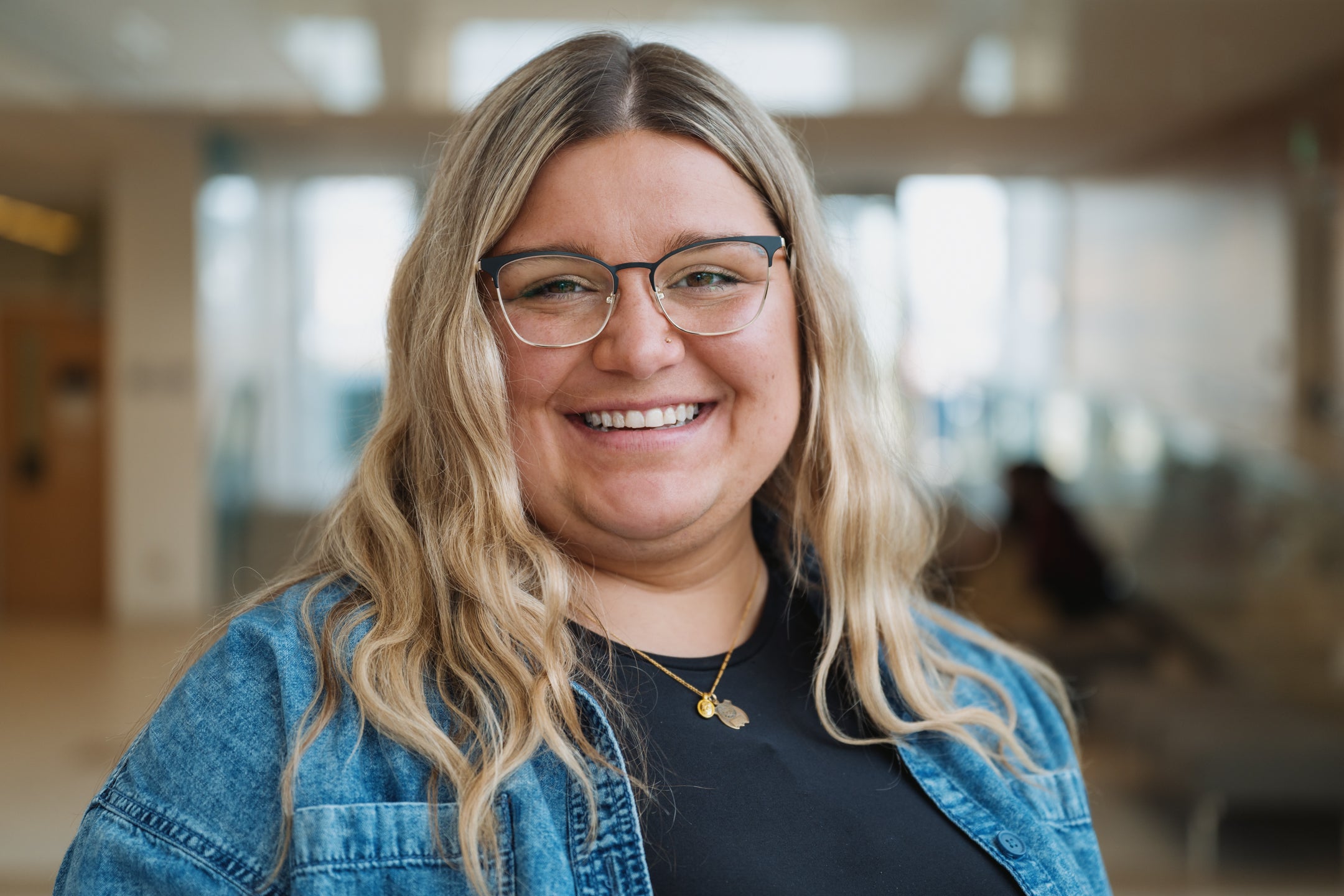
It is a strong choice for students who:
- enjoy working with people
- want to improve the quality of life for others
- are interested in healthcare or community services
- value creativity and adaptability
- want a career focused on inclusion and wellbeing
The combination of academic learning and experiential opportunities helps students discover how recreation can be used to support health, recovery, and empowerment.
Looking back on her Waterloo experience
If Lindsie could speak to her Grade 12 self, her message would be simple.
"I would tell Grade 12 Lindsie that choosing Therapeutic Recreation at the University of Waterloo is the best decision that she's ever going to make."
Looking back, she sees the experiences, opportunities, and relationships she gained through the program as transformative.
The program introduced her to people she never expected to meet, gave her experiences she never imagined having, and set her on a career path that aligns with both her personal values and professional aspirations.
"I think Grade 12 Lindsie would be very proud of where she's gotten to and what the future holds for her."
A career built on connection and impact
Lindsie's story highlights the power of Therapeutic Recreation to create meaningful change in people's lives.
Through Waterloo's Therapeutic Recreation program, she discovered that recreation is much more than fun and leisure. It is a purposeful, evidence-based profession that supports healing, inclusion, belonging, and personal growth.
Today, she applies those lessons every day as she helps young people build confidence, exercise their voices, and achieve their goals.
For students who are passionate about helping others and creating positive community impact, her journey demonstrates the many possibilities that can begin with a degree in Therapeutic Recreation.
Next steps
- Learn how co-op can help you explore career paths and gain work experience.
- Take our quiz to find the Health program that's right for you.
- Sign up for our monthly newsletter to get program updates, tips and event invitations.