Four PhD candidates at the Cheriton School of Computer Science — Abdulrahman Diaa, Artur Back de Luca, Ross Evans and Bihui Jin — have each received a Canada Graduate Research Scholarship – Doctoral (CGRS-D).
Each scholarship provides $40,000 annually for three years, for a total of $120,000 per recipient. The awards recognize outstanding doctoral researchers and support the development of the next generation of research talent.
“Today, we celebrate some of the brightest research talent in Canada,” said Professor Alejandro Adem, FRSC, President, Natural Sciences and Engineering Research Council of Canada. “These outstanding award recipients are advancing new knowledge and innovative solutions that will help shape our future. Congratulations to all recipients. Your talent, creativity and ambition are strengthening Canada’s research excellence, competitiveness, and prosperity.”
Abdulrahman Diaa, PhD student
Advised by Professor Florian Kerschbaum
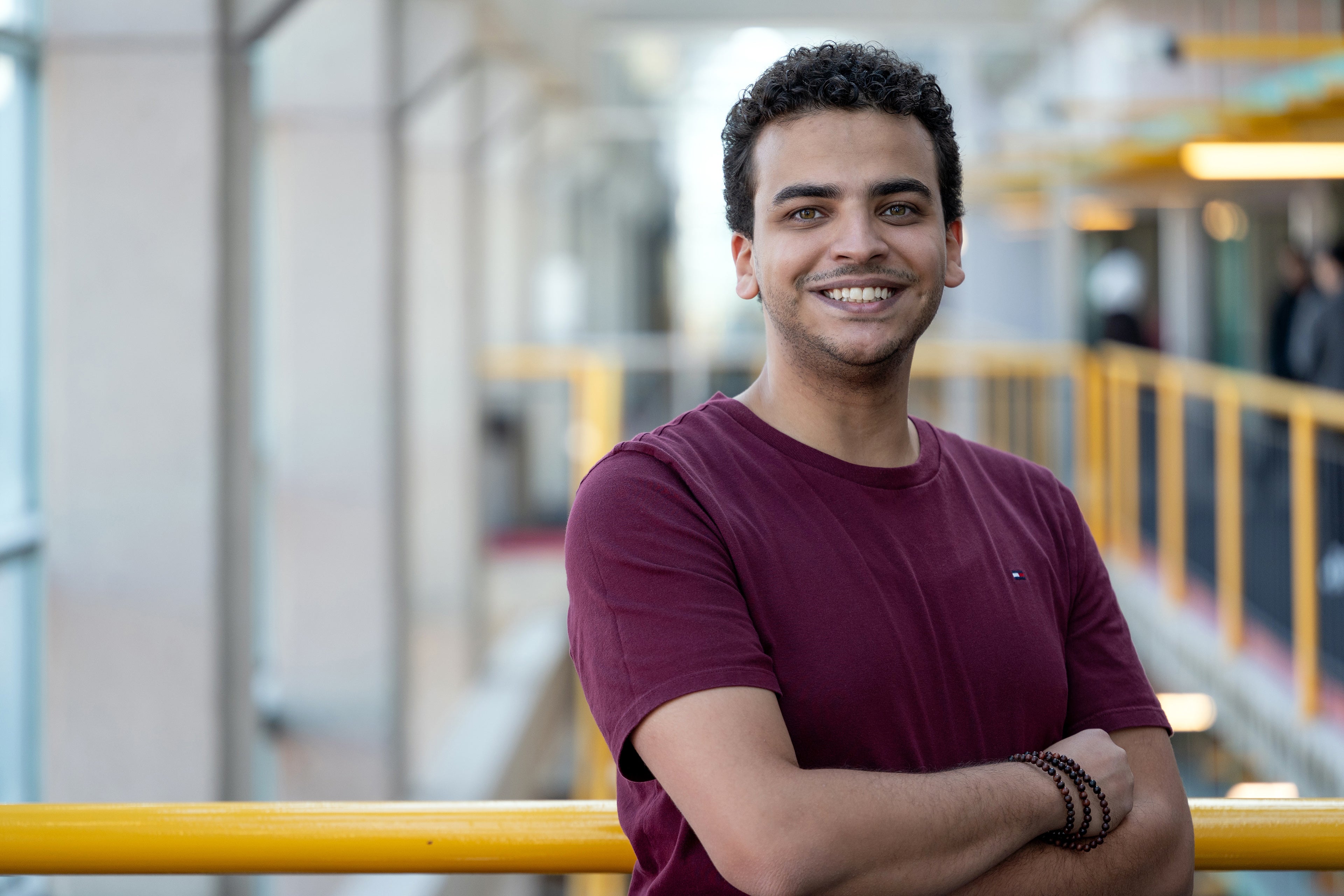
Abdulrahman Diaa develops methods to make machine-learning systems more private and AI-generated content more traceable. His research advances privacy-preserving techniques that enable computation on sensitive data without revealing individual inputs. He also analyzes and designs robust watermarks for AI-generated content that remain detectable despite paraphrasing, editing, and other adversarial modifications.
Artur Back de Luca, PhD student
Advised by Professor Kimon Fountoulakis
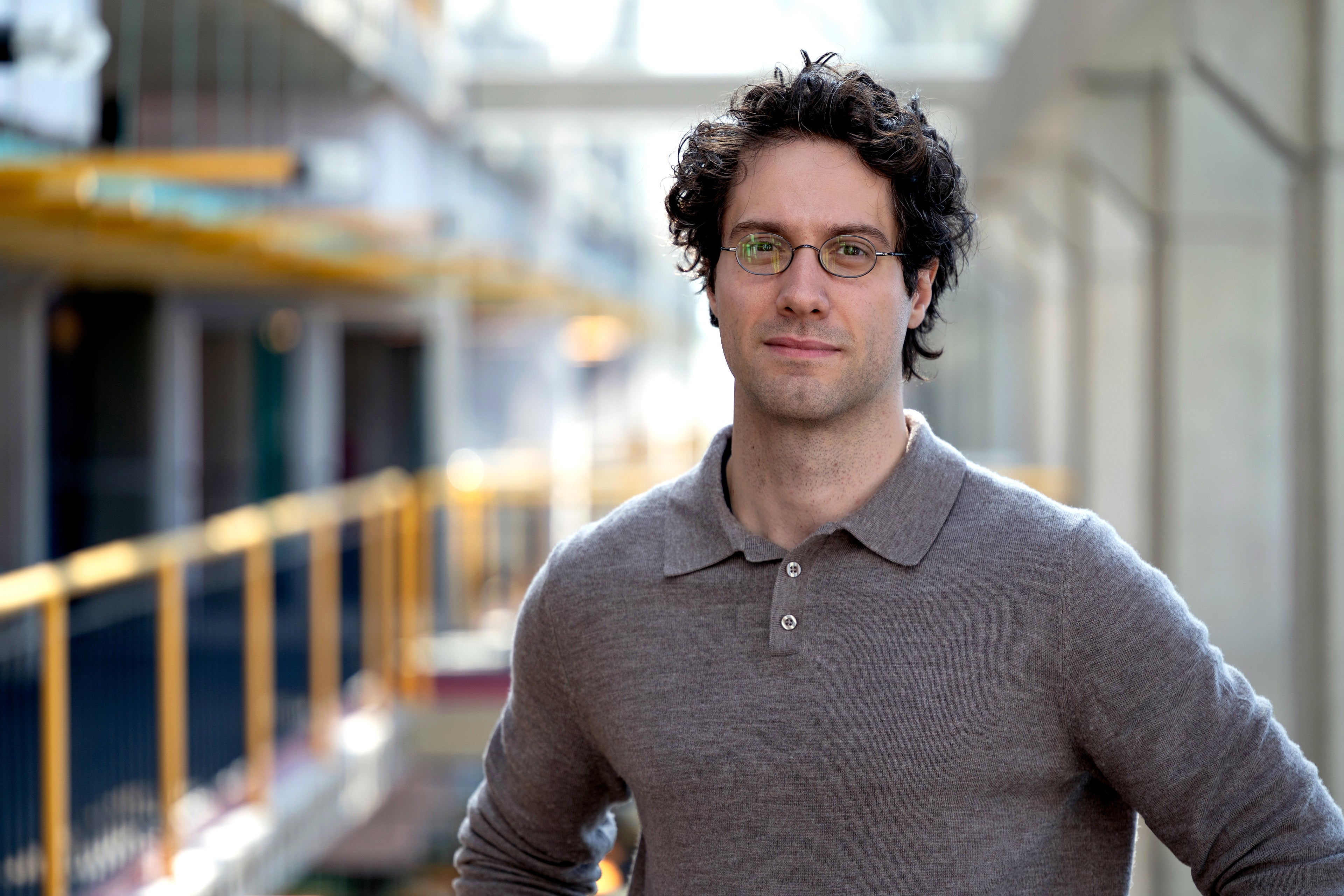
Artur Back de Luca studies reasoning in neural networks through the lens of algorithms. While neural networks can solve complex problems, it is often unclear how they arrive at their answers or whether their reasoning is reliable. His research investigates which algorithmic computations neural networks can represent and execute, how they learn these computations from data, and how to certify that they perform them correctly.
Ross Evans, PhD student
Advised by Professor Diogo Barradas
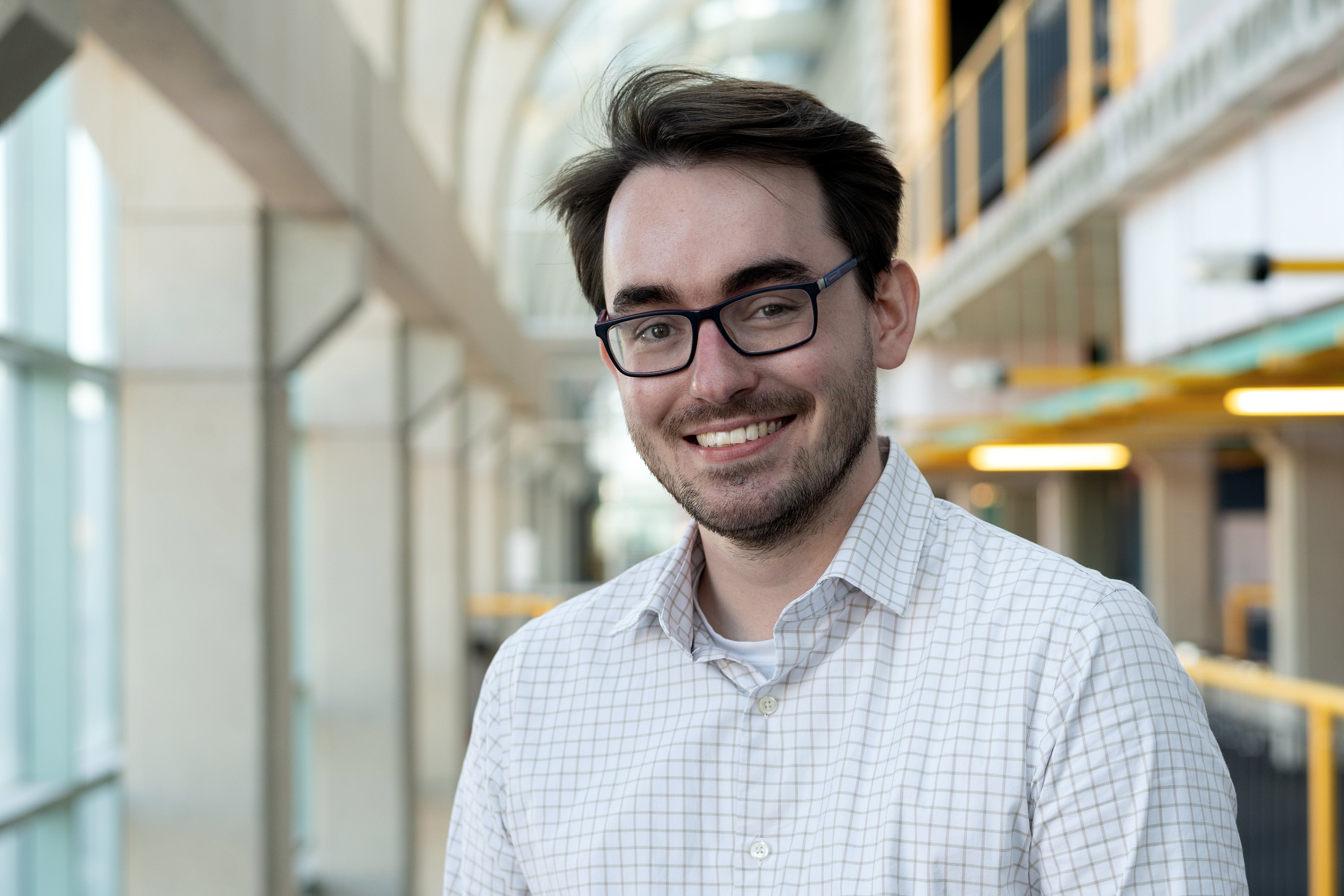
Ross Evans researches blackout-resistant technologies, which aim to provide substitutes for internet-based electronic services during outages, including those caused by natural disasters, warfare, and censorship. Previously, he developed a system for caching and distributing web-hosted knowledge sources through Bluetooth, allowing users to access reference sources, medical information, and community webpages throughout internet outages. More recently he has worked on tools to increase the stealthiness of blackout-resistant communications, allowing users to disguise message exchanges inside Bluetooth audio traffic. Such tools help activists maintain their safety and privacy when organizing under government-instated internet blackouts.
Bihui Jin, PhD student
Advised by Professor Pengyu Nie
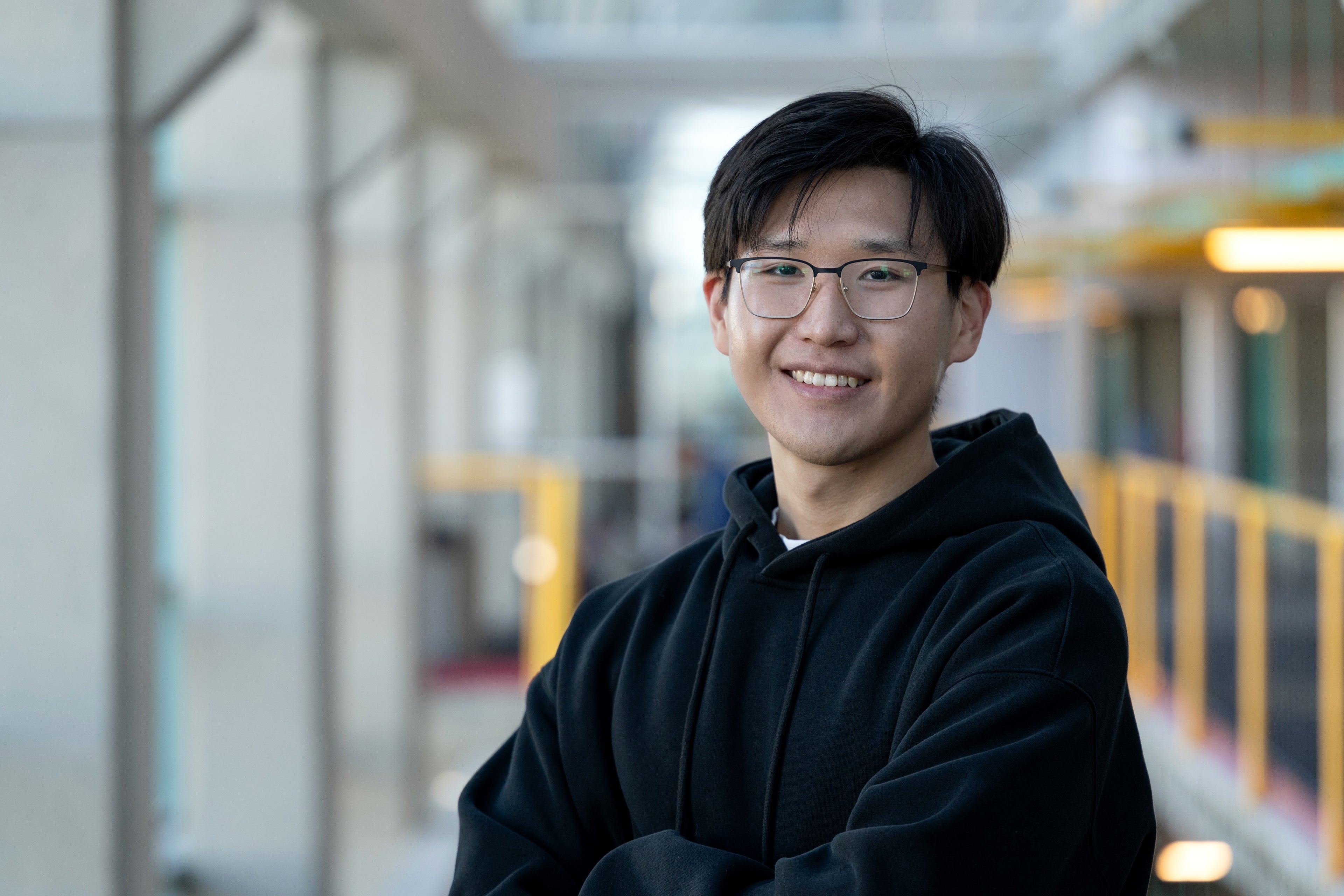
Bihui Jin studies how AI agents can autonomously develop and evolve software systems. His current research focuses on AI for machine learning engineering, exploring how AI agents can modernize existing programs, learn from execution feedback, and optimize model architectures. Building on this work, he is developing methods to design and validate AIware — systems with a mixture of AI and software components — using human-defined specifications and independent testing to ensure correctness and reliability. His long-term goal is to enable AI agents to autonomously develop, optimize, maintain, and evolve AIware systems while ensuring their reliability and compliance with human-defined specifications.
About the Canada Research Training Awards Suite
The CGRS-D is part of the Canada Research Training Awards Suite (CRTAS), a harmonized federal funding program administered by the Canadian Institutes of Health Research, the Natural Sciences and Engineering Research Council of Canada, and the Social Sciences and Humanities Research Council.
Through CRTAS, the Government of Canada helps strengthen Canada’s research capacity and develop the skilled talent needed to advance research and innovation. Announced today, the government is investing more than $480 million to support 6,485 master’s, doctoral and postdoctoral researchers in health sciences, natural sciences, engineering, social sciences and the humanities across the country.