Emily Shiu
Published October 2026
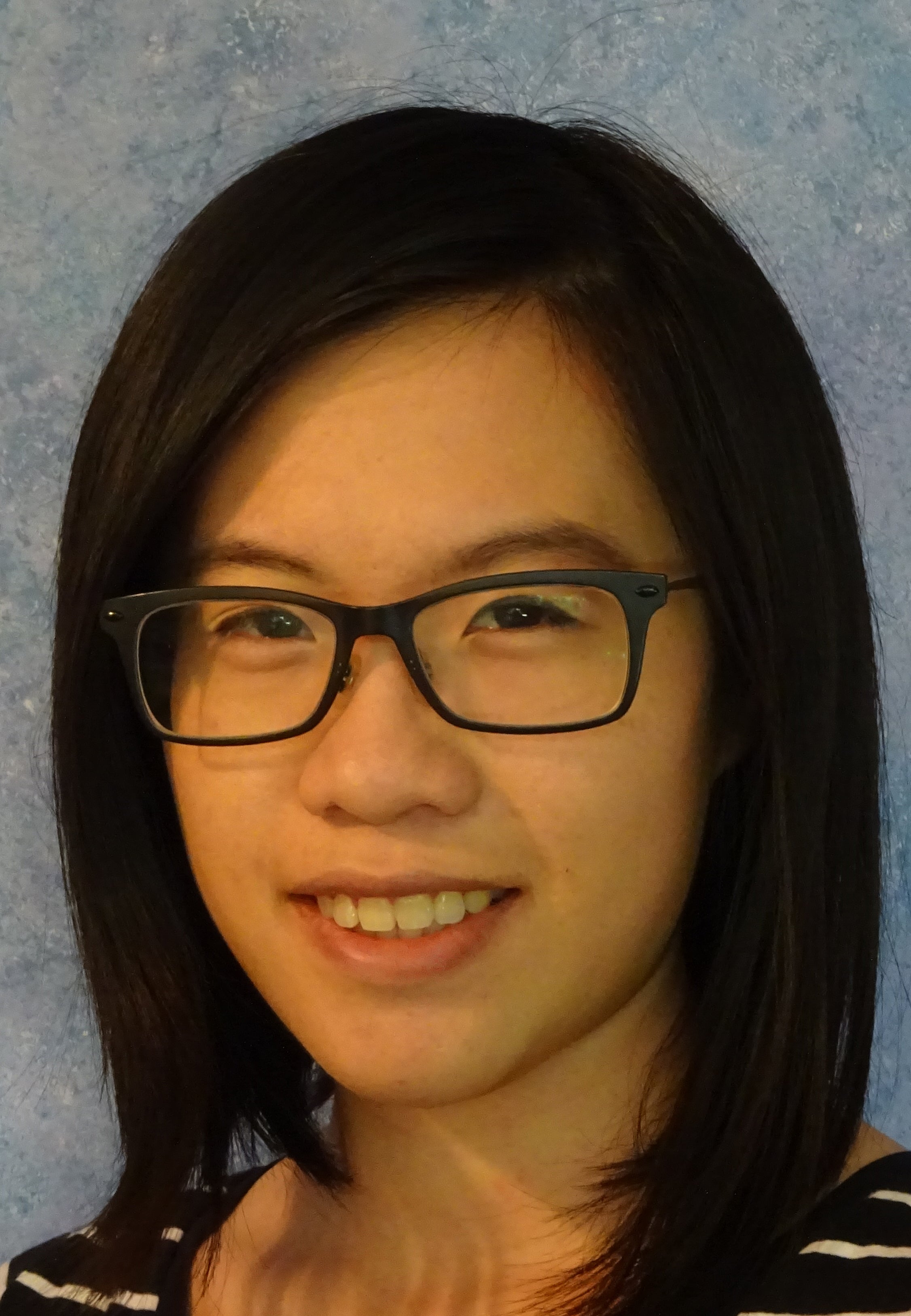
Emily is a PhD candidate in the Lab for Infant Development and Language at the University of Waterloo, working under the supervision of Dr. Katherine White. Emily’s research examines how people communicate with their conversational user interfaces (CUIs) such as voice assistants, chatbots, and AI, with a particular focus on how users perceive and reason about successful and failed attempts in interacting with CUIs.
As part of her research, Emily collaborated with the Games Institute, the TAG Lab, and computer science co-op students to develop LIDLbot - an open-source platform for conducting CUI interaction experiments. Designed to offer a high level of control, consistency, and flexibility, LIDLbot helps researchers investigate human-CUI interactions while reducing the resources required to run such studies. The tool can additionally support general psycholinguistic and social interaction research. Emily was awarded a Games Institute Seed Grant to support her research, and has presented her work at various local and international conferences, including the ACM Conversational User Interfaces 2026.
Beyond her dissertation work, Emily has participated in interdisciplinary projects at the Games Institute. She is also actively involved in helping coordinate events and initiatives that bring together researchers and students affiliated with the UW Human Factors and Ergonomics Society (UW HFES), The Games Institute, the CS HCI Lab, and the Graduate Association of Students in Psychology (GASP) to build interdisciplinary research communities across campus. Outside of academia, Emily enjoys video games, model building, and exploring new restaurants and cuisines with friends.
Emily’s LinkedIn Profile: https://www.linkedin.com/in/emilyshiu/
LIDLbot GitHub: https://github.com/Lab-for-Infant-Development-and-Language/LIDLbot-Experiment-Platform/tree/main
Publications:
- Shiu, E., Tieu, A., Xiong, J., Qi, L., Munteanu C. & White, K. S. (2026). *Freeing the Wizard of Oz: A Highly Configurable Platform for Psychology and Linguistic Experiments with CUIs*. Proceedings of the Conference on Conversational User Interfaces (CUI ’26), July 21-24, 2026, Bremen, Germany. https://doi.org/10.1145/3816046.3816275
Dogukan Demircioglu
Published May 2026
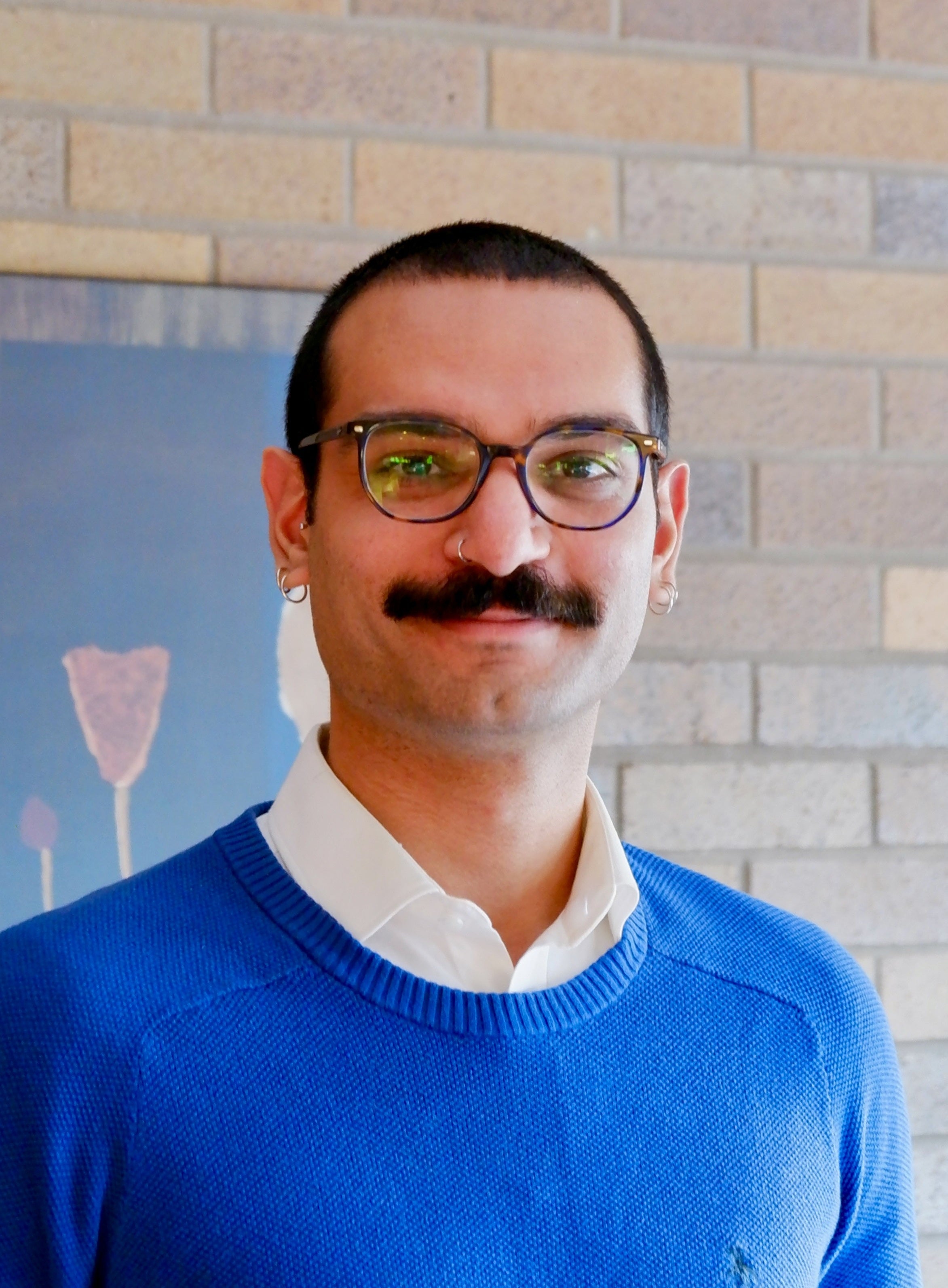
Dogukan is a fourth-year Cognitive Psychology PhD candidate in the DICE Lab at the University of Waterloo, working under the supervision of Dr. Samuel Johnson. Drawing on a background that spans cognitive science and philosophy, his research sits at the intersection of cognition, emotion, motivated reasoning, and decision-making under uncertainty. At its core, his work investigates the psychological mechanisms that shape people's economic preferences — in particular, how intuitive theories of emotion and cognition influence risky and intertemporal choices.
His research has been presented at the Society for Judgment and Decision Making, the International Behavioural Finance Conference, and the Annual Conference of the Cognitive Science Society. He is also the recipient of the Psychology Memorial Award for excellence in research.
Committed to bridging academic insight with real-world impact, Dogukan brings behavioral science to a range of applied contexts. He co-founded WBIC and serves as its Behavioral Science Consulting Lead, advising companies and non-profits on translating behavioral research into practice. He has also worked as a political advisor at the Turkish Parliament and currently interns as a Research Associate at eSentire, a leading cybersecurity firm.
Outside of work and research, he can be found in the gym, on the pickleball court, or exploring the world of wine and craft beer.
Connect with Dogukan on LinkedIn
Taylor Carroll
Published January 2026
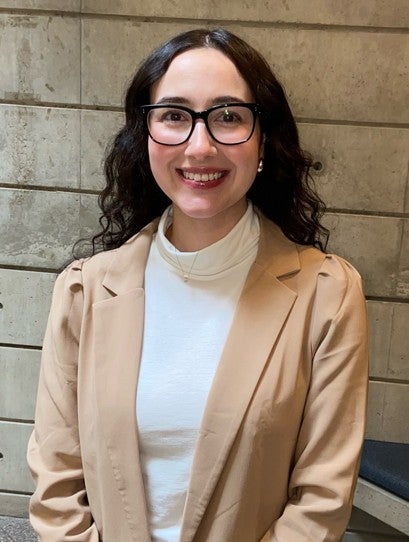
Taylor is a fourth-year PhD student in the Industrial-Organizational Psychology program, working under Dr. Ramona Bobocel. Taylor’s dissertation research focuses on fair leadership in organizations. Specifically, she is (1) developing a scale to measure employees’ perceptions of their supervisor’s inconsistent fairness and (2) studying how informational justice affects employee reactions in bad news conversations. Taylor is funded by the SSHRC Canadian Doctoral Scholarship and received the Pat Rowe I/O Psychology Graduate Scholarship for her academic achievements. She has presented her research at several academic conferences, including the Canadian Psychological Association (CPA) and the Society for Industrial and Organizational Psychology (SIOP). In 2025, Taylor won the 1st place poster award for EDI research from the Canadian Society for Industrial and Organizational Psychology (CSIOP).
Taylor has co-instructed Psychological Measurement (PSYCH 492), a fourth-year undergraduate course focused on the development and assessment of psychological tests, for four academic terms. She is currently co-supervising an honours thesis project examining whether managers apologize for justice violations and the effects of such apologies on employees’ affective reactions.
Connect with Taylor on LinkedIn
Sarena Daljeet
Published January 2026
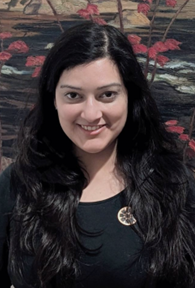
Sarena is a 5th-year Clinical Psychology Ph.D. Candidate in the Psychological Intervention Research Team, working under the supervision of Dr. Jonathan Oakman. She leads a research program on psychotherapy processes using a large therapy video archive from the Centre for Mental Health Research and Treatment. Her research addresses the question of how therapy works by1) linking processes that lead to change with therapy outcomes over time and 2) addressing methodological and statistical issues relating to measuring these processes. In addition, as a collaborator with the Emotion Transformation Institute, Sarena leads a multiprovincial research program assessing the outcomes of emotion-focused therapy for youth and caregivers. She has presented at local and international conferences, receiving the Sol Garfield Memorial Trainee Award from the Society for Psychotherapy Research for her work. Her research has also been supported by the Canada Graduate Scholarship (Master’s) and the Ontario Graduate Scholarship (Doctoral). As well, she was a recipient of the Innovation in Psychology Graduate Scholarship in 2025, and a Psychology Memorial Award in 2023.
In her clinical work, Sarena provides assessment and therapy services to children, adolescents, and young adults, with an emphasis on supporting caregivers. She has gained experience in community, private practice, hospital, and forensic settings.
Sarena is actively involved in her broader academic community. She runs scientific writing workshops for undergraduate classes and is a frequent guest lecturer on the topic of psychotherapy research. She has also held mentorship roles for undergraduate and graduate psychology students through initiatives led by the University of Waterloo as well as the Society for Psychotherapy Research. Outside of school, she enjoys reading, writing, and weightlifting.
Connect with Sarena on LinkedIn
View Sarena’s 3-Minute Thesis Talk
Kaitlin Bain
Published January 2026

Jasmine Zhang
Published January 2026
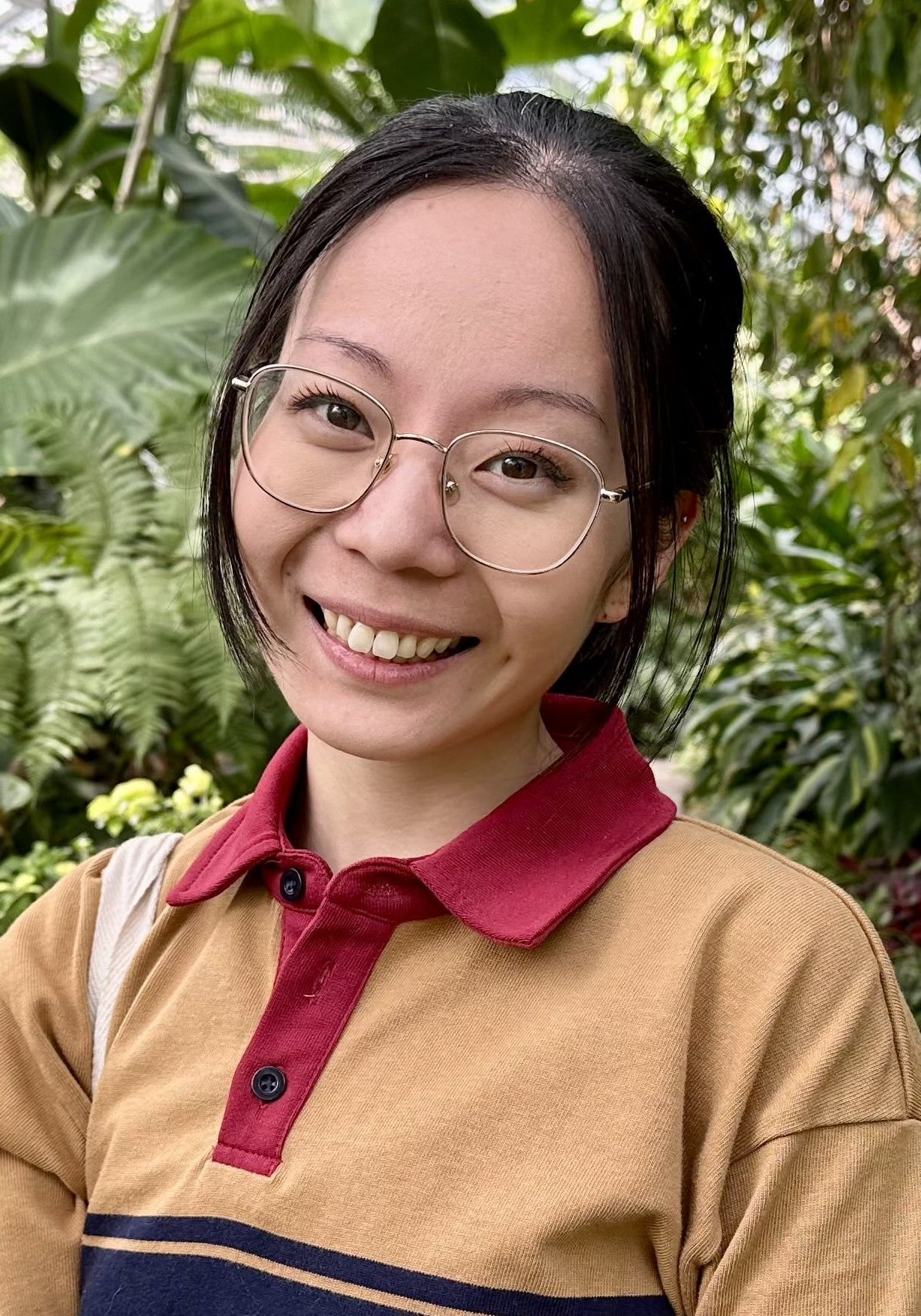
Jasmine is a 4th-year Clinical Psychology Ph.D. Candidate in the FamilyPsycle Lab, working under the supervision of Dr. Dillon Browne. Her primary research interests focus on how digital media activities relate to the well-being of children and caregivers through a family-wide lens. This includes applying advanced statistical modelling to 1) capture the links between media use and child and adolescent mental health, 2) understand outcomes associated with parental media use, and 3) explore how media use relates to family functioning. She has presented her work at various local and international conferences, and one of her publications was previously featured in BBC Newsday. Jasmine is also actively engaged in efforts to promote safe online spaces for children and youth, including previously working as an Impact Fellow with the Children and Screens Institute for Digital Media and Child Development. Additionally, she is involved in various community-based research initiatives with the Children and Youth Planning Table of Waterloo Region. Jasmine’s work has been supported by the Canada Graduate Research Scholarship (Master’s and Doctoral) and the Ontario Graduate Scholarship. She was also a recipient of the IODE War Memorial Scholarship in 2025.
In clinical work, Jasmine has completed advanced training in providing psychoeducational assessment and therapy services for children, adolescents, and adults. She has gained experience in community, private practice, school, and hospital settings, and received training in family-based assessment and intervention.
Jasmine is an active member of the Waterloo community. She previously served on the University of Waterloo Graduate Association of Students in Psychology and is currently a member of the Arts Faculty Council. Outside of school, she enjoys volunteering with National Service Dogs and participating in Run Waterloo events.
Visit Jasmine on Google Scholar
Connect with Jasmine on LinkedIn
Seth Winward
Published January 2026

Seth is currently a 4th-year PhD student working in the Social Cognition and Face Processing Lab with Dr. Roxane Itier. His current research focuses on the neuroscience of empathy, specifically whether the different empathy constructs developed in trait-level research using questionnaires are reflected by state-level behaviour and neural activity. He combines event-related potential (ERP) methods with rigorous mass univariate statistical techniques to better investigate the neural timing of empathy, along with behavioural and trait-based methods. His broader research interests span a wide range of topics in social and affective neuroscience, including face perception, emotion processing, theory of mind, and prejudice. Seth has experience with ERP, psychophysiological, eye tracking, and behavioural methodologies and is committed to using multiple levels of analysis to better understand how we think, feel, and reason about others.
Seth has been fortunate to receive external funding from SSHRC, NSERC, and OGS throughout my time in graduate school; He has also received a Memorial Award and Research Dissemination Award from the School of Psychology. Seth has a strong interest in teaching that he has pursued through the Fundamentals of University Teaching and Certificate in University Teaching programs offered by the Centre for Teaching Excellence. He also serves the community at UW as a mentor to junior grad students through the School's Big Sib program and as a union organizer for CUPE 5524. Outside of academia, Seth enjoys hiking, canoeing, and other activities that put him in touch with nature.
Publications:
- Winward, S. B. & Itier, R. J. (submitted). Is state empathy a multidimensional construct? Support from a novel within-subjects experimental design. Social Cognition.
- Winward, S. B. & Itier, R. J. (accepted). Assessment of trait empathy scales: Comparing the IRI and the TEQ on convergent validity with sexual prejudice, gender effects, and temporal stability. Journal of Personality Assessment.
- Winward, S.B. & Itier, R.J. (2025). The influence of sexual prejudice and gender on trait and state-level empathy. Frontiers in Psychology, 16.
- Winward, S. B., Siklos-Whillans, J., & Itier, R.J. (2022). Impact of face outline, parafoveal feature number and feature type on early face perception in a gaze-contingent paradigm: A mass-univariate re-analysis of ERP data. Neuroimage: Reports, 2(4), 100148.