Growing up in Brazil, computer science student Enzo Porto always loved the ocean. After finishing classes or during stressful weeks, he would often retreat to the family’s beach house to unwind. Enzo’s love for the ocean deepened further when he moved to Peru at 11 years old. He fondly recalls how Peruvians would hit the beach to celebrate New Year’s.
But it wasn’t just the cool breeze, calming waves or palm trees that drew Enzo in. He came to see the ocean as something that connects people. At his family’s beach house, he can relax with friends and family. Peru’s beaches bring the community together during the holidays. “The ocean is what connects all continents,” Enzo points out.
His passion soon evolved into advocacy. Today, he is the founder of Oceanica, a Latin American–based organization that promotes ocean literacy and conservation among youth.
From organizing beach clean-ups to teaching kindergartners about climate change, Oceanica’s goal is to empower Peru’s youth to become agents of change. For example, the organization helped elementary students, ages 10 to 12, create a play about the ocean and its ecosystems. What made this project stand out to Enzo was its strong community reception and engagement. Around 6,000 people attended it over a single weekend. The students involved in the play became interested in ocean protection and hoped to join their future high school’s Oceanica club.

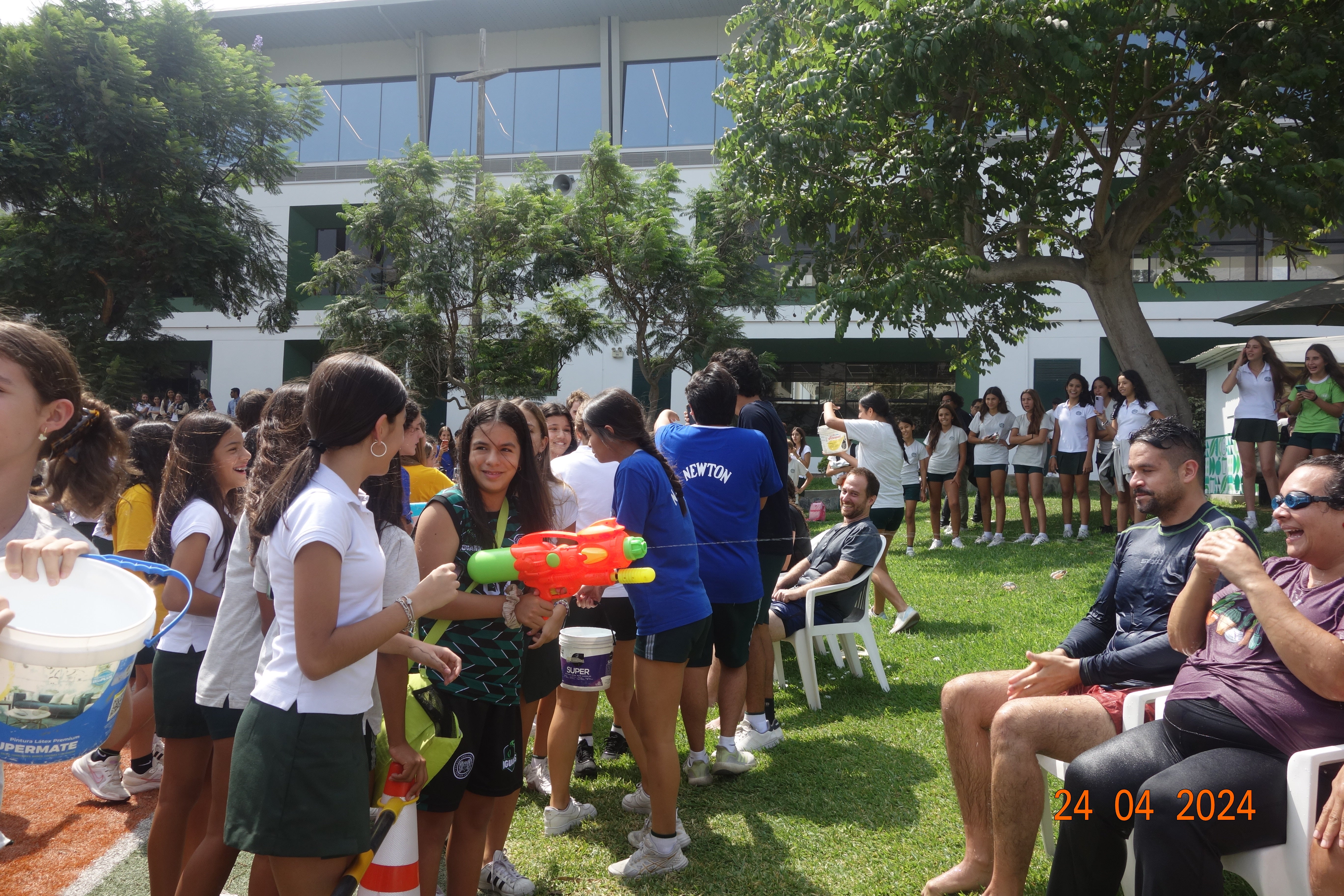
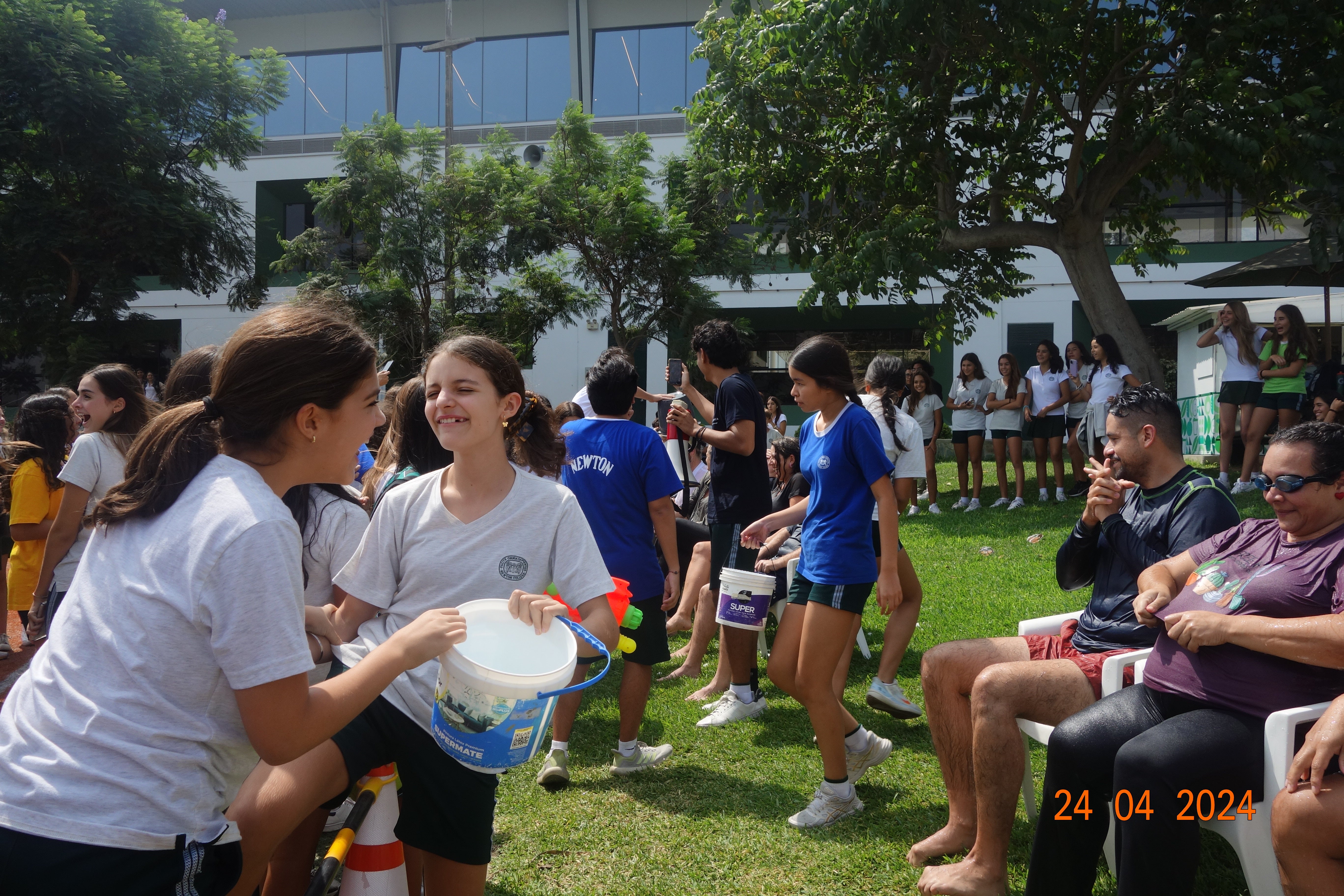
Oceanica originally started as a class project at Enzo's high school, Newton College. Part of their initiatives includes fundraising.

Oceanica originally started as a class project at Enzo's high school, Newton College. Part of their initiatives includes fundraising.
The organization also gained national and international attention, including recent coverage in National Geographic. This recognition is especially notable for an organization that began as a class project.
A high school teacher invited Enzo to join Beyond Sea, a UNESCO competition centred on ocean literacy. He and his classmates organized MaArt, an ocean-themed art auction that raised funds for marine conservation initiatives.
As part of Beyond Sea, Enzo and his teammate, Isabella Mujica, presented MaArt at UNESCO in 2021, where they won first place. They were then invited to the 2022 UN Ocean Conference in Portugal. At just 15 years old, Enzo presented his work to an audience of policymakers, diplomats and business leaders.
After receiving encouragement from UNESCO’s Francesca Santoro, Prada’s Lorenzo Bertelli, and other conferencegoers, Isabella and Enzo decided to turn their project into a school club. During their first year, they raised S/20,000 (approximately $7,950 CAD) for ocean-related initiatives, allowing them to expand Oceanica into a non-governmental organization.

Bringing the youth together for beach clean-ups!

Bringing the youth together for beach clean-ups!
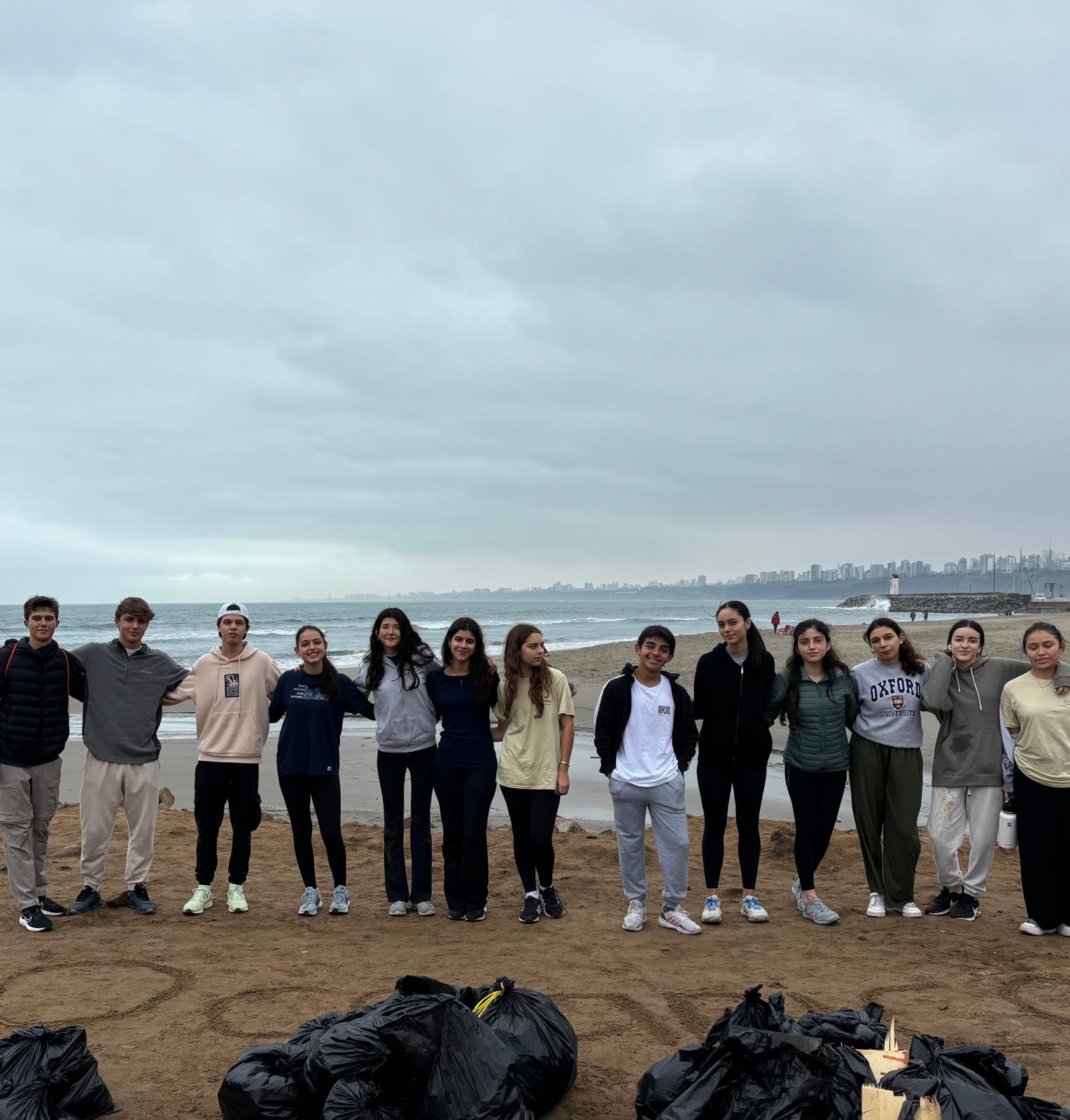
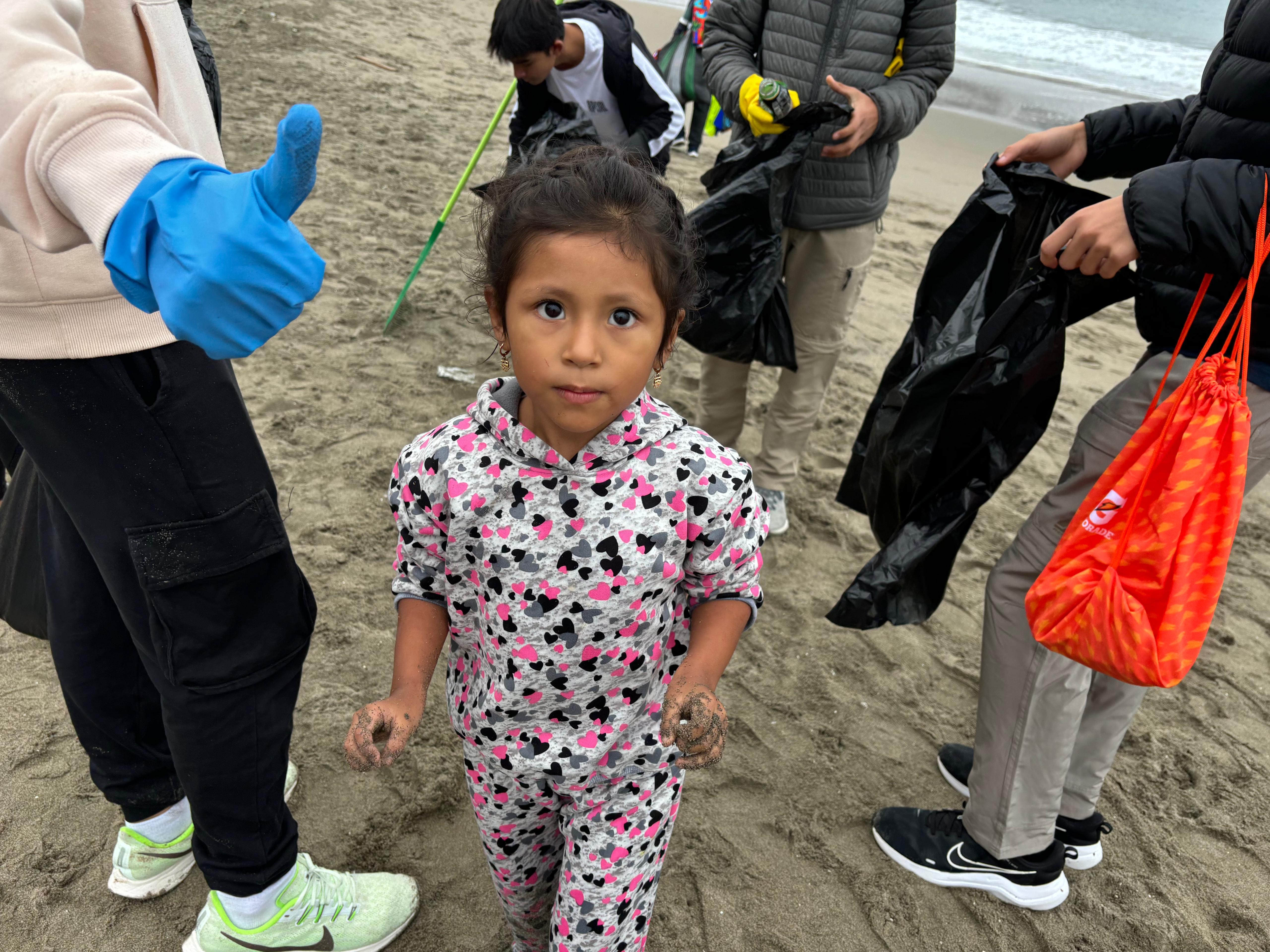
Enzo’s main goal at Oceanica is to “connect as many people as possible to the ocean” by expanding outreach to marginalized communities in Peru, particularly Indigenous and lower-income communities.
“It’s quite easy to host an educational workshop at a private school,” says Enzo. “Going to an Indigenous community and seeing how they can connect to the ocean is more difficult. But if we want to have a nationwide and global network, then we must engage with more people, not just privileged people.”
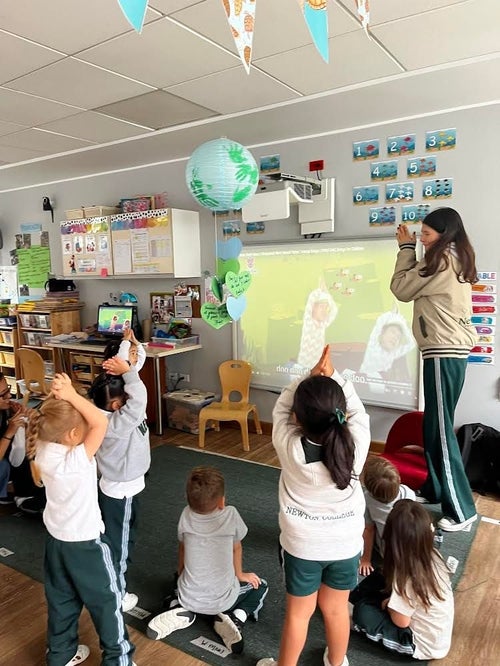
Oceanica hosts presentations and workshops with students of various grade levels to ignite their curiosity and commitment to the ocean and its future. Some topics include climate change, ocean literacy and plastic reduction.
The main message Enzo wants to emphasize is that everyone plays a small but powerful role in ocean conservation.
“Because the ocean is such a complex ecosystem, we don’t fully understand how much the small harm we do travels deep into the ecosystem,” he says. “It’s important for people to feel like there’s something they can do about it. You don’t need to clean an entire beach or river. There are everyday actions that we can do. Even the classics like recycling properly goes a long way.”
He also encourages supporting businesses that employ sustainable practices, such as a flower shop that doesn’t use hazardous fertilizers or a jewellery company that avoids harmful mining practices.
His passion for sustainability has extended beyond advocacy work into his career ambitions. Drawn by its trailblazing professors, cutting-edge research and ambitious atmosphere, Enzo hopes his time at Waterloo will help him create technologies that support environmental protection.
Although technology has been criticized for its environmental impact, particularly AI’s high energy consumption, Enzo believes that computer science can also support environmental measures such as renewable energy, a critical tool to address global warming. “When we talk about computer science and sustainability, it’s more negative than positive,” says Enzo. “But we need to remember that these organizations, such as UNESCO, use computer science principles. They use data science and statistical analysis to study things like the science of trash.”
“It’s important that we understand that technology is not going away. The best we can do is to look at the intersections between nature and computer science and how we can leverage the power of computer science. The frontiers of what we can do with computer science are really limitless from the moment you open a new code space.”
Today marks Earth Day, a global event that both celebrates progress in environmental protection and calls for action on issues such as pollution, deforestation, and climate change.
To Enzo, Earth Day is also a reminder we are connected to nature, that “we’re never too small to make a difference.”
“At the UN ocean conference, I had the option to speak about things I care about,” he says. “But I wasn’t different from most teenagers. I was just lucky to have a project that blew up. That doesn’t mean your average 15-year-old can’t do something they’re passionate about. So, knowing what you do matters, is really the direction we have to take with environmental protection.”

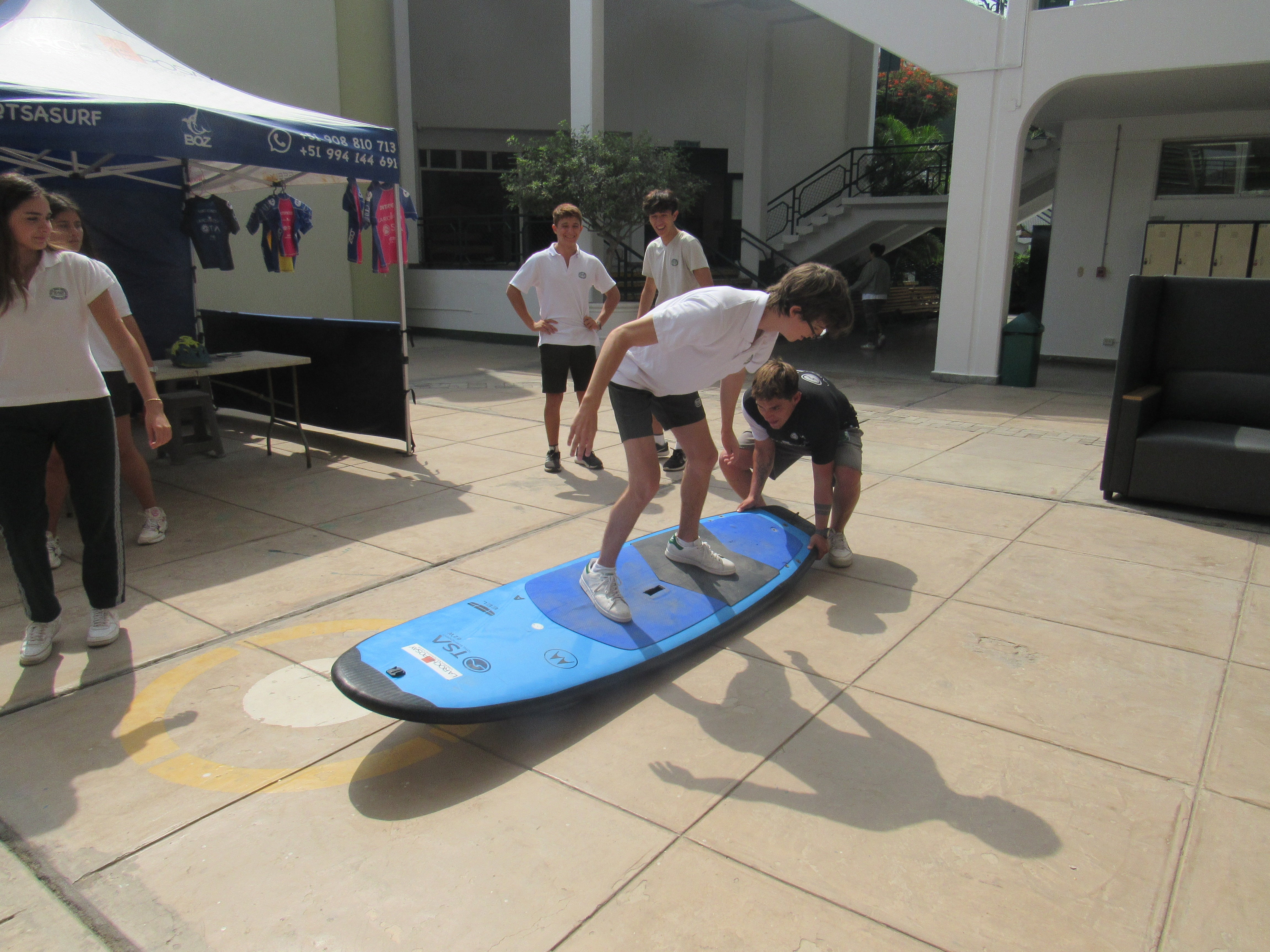
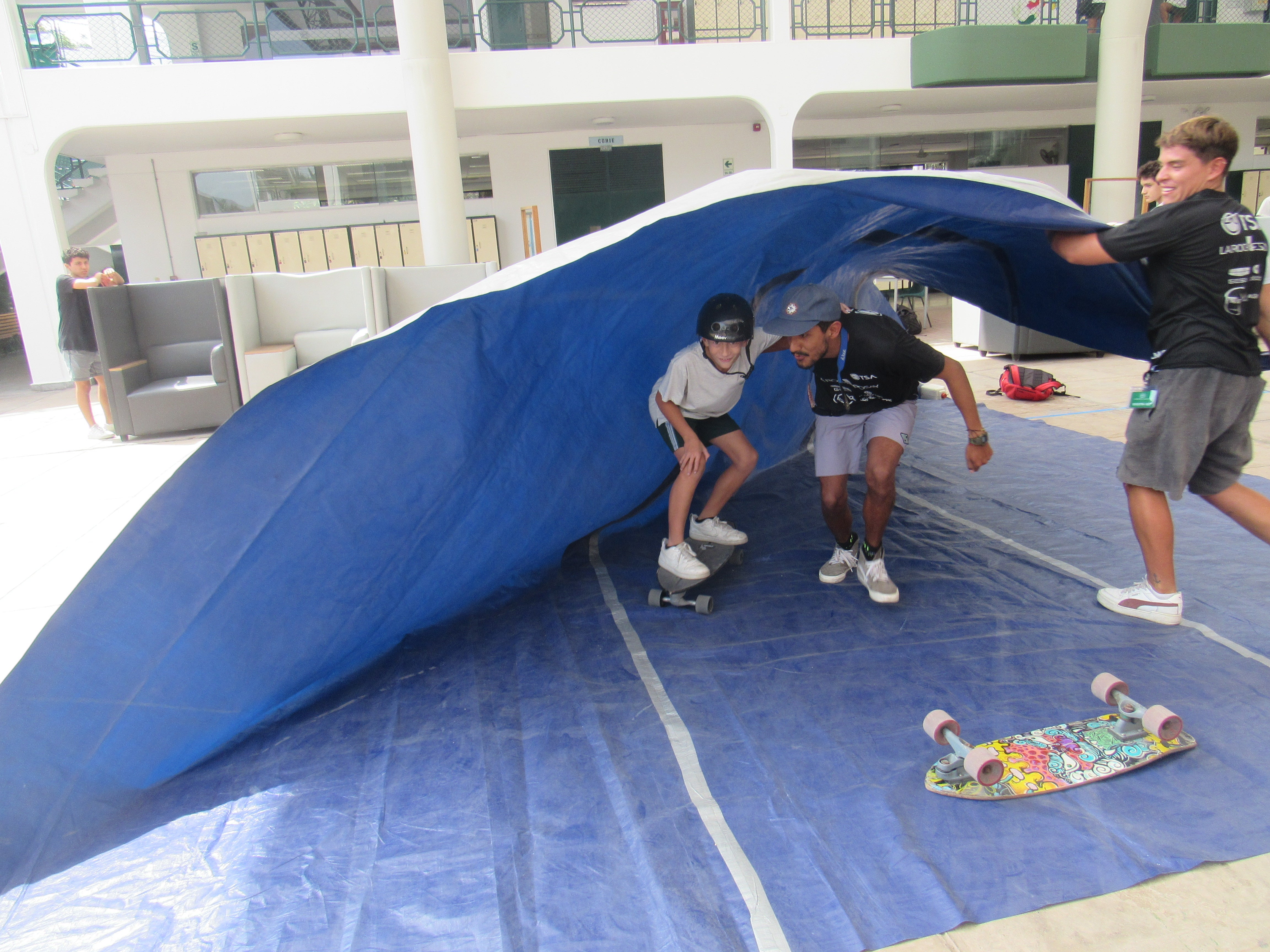
Part of Oceanica's initiatives include surf simulations

Part of Oceanica's initiatives include surf simulations