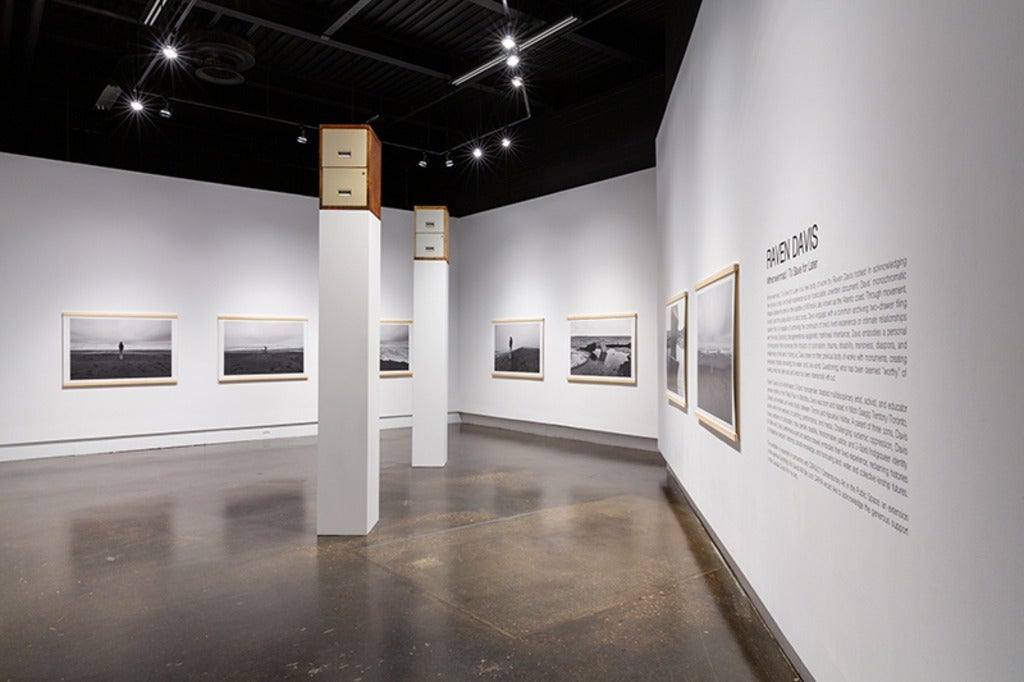
IN CONVERSATION: Raven Davis with Glodeane Brown
The University of Waterloo Art Gallery, CAFKA and the Department of Fine Arts are pleased to present artist Raven Davis in conversation with writer Glodeane Brown.
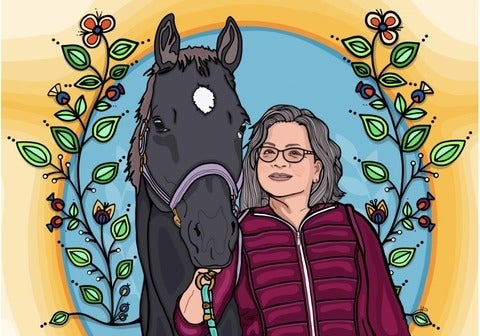
The Indigenous Speakers Series is honoured to present Lenore Keeshig, storyteller, poet, author, and naturalist, for our first in-person event in more than two years.
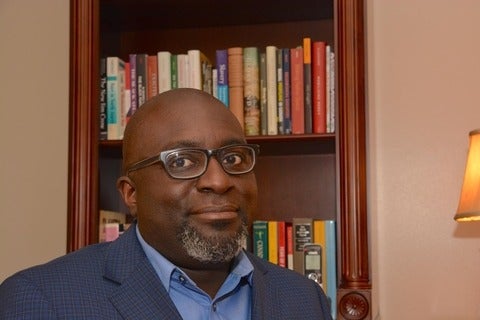
The Department of History Speaker Series, in collaboration with Ujima Black History Month, is pleased to present Dr. Barrington Walker, associate vice-president, Equity, Diversity and Inclusion, and professor in the Department of History at Wilfrid Laurier University.
Wie es klingt, wenn es quietscht". Prize-winning short story by Austrian author Mercedes Spannagel about young competitive fencers, one of whom has lost a leg and is resuming her training with a prosthesis. Reading and discussion in German.
Join Dr. Alec Cattell (Texas Tech University) for an interactive virtual discussion about Gertrud Kolmar's last surviving literary work, the novella Susanna. After exploring the social and political context in which Susanna was written, the conversation will turn to Kolmar's mode of representing the protagonist as a person with a disability as well as the ways in which she negotiates disability myths and deploys disability rhetorics to inspire readers to read stories about disability ethically.
In this discussion, Professor Jay Dolmage will work through an overview of myths that offer a shorthand for the ways that disability is narrowly represented or depicted across cultures. These myths offer evidence of some of the most basic and omnipresent ways that disability is rhetorically shaped.
Have you ever observed a divisive, rage-fuelled fight online and wondered about the role technology played in the background? In her most recent book, Discriminating Data (2021), Wendy Chun reveals how polarization is a goal—not an error—within big data and machine learning. These methods, she argues, encode segregation, eugenics, and identity politics through their default assumptions and conditions.
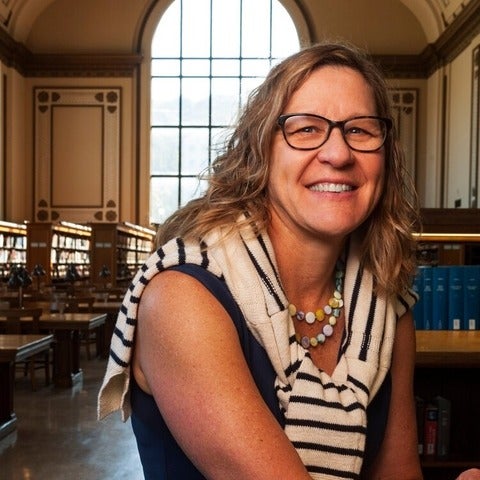
Join the Department of Economics and Dr. Hilary Hoynes, Professor of Economics and Public Policy at UC Berkeley for this year's Faculty of Arts Distinguished Lecture in Economics.
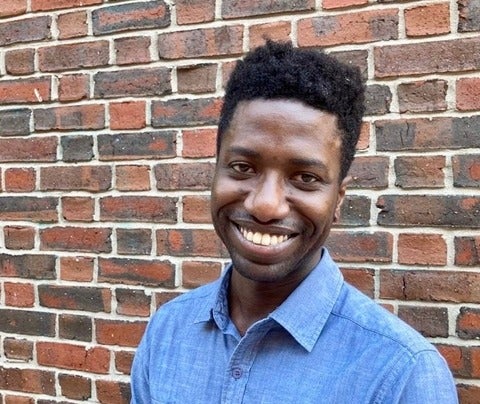
The Department of History Speaker Series is pleased to present Dr. Nana Osei Quarshie, Assistant Professor in the History of Science and Medicine at Yale University. His research focuses on the anthropology and history of psychiatry, immigration, and urban belonging in West Africa.
Silicon Valley companies have brought digital technology into every sphere of modern life. But while Big Tech garners unprecedented power and profits, everyday existence becomes ever more deeply enmeshed in the circuits of capital. To what end? What are the limits of the digital frontier?