
Written by Layanne (she/her), student
Choosing a university major is a big and exciting step, and if you’re passionate about science, the question “Is biochemistry a good major?” might already be on your mind as you start shaping your future.
If you enjoy biology, chemistry, or are curious about how life works on the smallest scale, biochemistry could be worth exploring — and you’ve come to the right place to figure out if it’s the right fit for you!


Table of contents
What is biochemistry?
Biochemistry is the study of the chemical processes that happen inside living things. It focuses on molecules like proteins, DNA, enzymes, and carbohydrates, and how they work together to keep cells, and entire organisms, functioning.
You can think of biochemistry as the bridge between biology and chemistry. It takes big biology questions like how cells get energy or how diseases affect the body and uses chemistry to explain what’s actually happening at the molecular level.
Even though biochemistry looks at life at the microscopic scale, it has a huge real-life impact. The concepts biochemists study helps explain how medications are made, how vaccines work, and how science can be used to create more sustainable solutions in areas like agriculture and the environment. Innovations such as mRNA vaccines and gene editing all rely on biochemistry.
So, if this kind of science sounds exciting to you, biochemistry is a major that might suit your interests well!

Career opportunities with a biochemistry degree
So, what can you do with a biochemistry degree? The short answer is — a lot!
A biochemistry degree opens doors in research and innovation, health care, and industry. University of Waterloo graduates commonly work in places like pharmaceutical companies, research labs, hospitals, biotechnology firms, and even education and agriculture.
Those are only a few examples of where your degree can land you; other career options include:
- drug discovery, protein engineering, bioprocess optimization
- quality control or quality assurance, regulatory affairs, technical sales
- data science, science communication, or environmental monitoring
Graduate programs and research
For many students, a biochemistry degree can also be a steppingstone to graduate programs or graduate research. At Waterloo, this can mean contributing to research focused on current issues, such as vaccine development, creating sustainable technologies, or improving drug discovery. You’ll work closely with professors across different research areas and gain experience with shared research facilities and specialized lab equipment.

Pros of studying biochemistry
Learn across multiple areas of science: Study a combination of biology and chemistry as well as some math and computing, giving you a broad scientific foundation.
Many career options: The degree is flexible with lots of rewarding career paths available once you graduate.
Work on solutions to global challenges: From developing new therapies to improving public health or creating more sustainable processes, biochemistry creates meaningful impact.
Build valuable skills: Along the way, you’ll develop strong lab, analytical, and problem-solving skills that are very useful for both jobs and future studies.
I enjoy the journey of going from high school to a skillful and self-managing student in the lab and my courses, thanks to my professors, lab instructors, and the co-op program at Waterloo. As a Biochemistry Co-op student, I've had the opportunity to demonstrate independence, problem-solving, and critical thinking both in and outside the lab.

Cons of studying biochemistry
- The coursework can be intense: Biochemistry is known for being a rigorous program. Between lab-intensive classes, detailed reports, and data analysis, it can feel like a lot.
- There’s some heavy math involved: You’ll likely take courses in calculus, statistics, and physical chemistry which can be challenging if math isn’t your strong suit.
- Early career roles can be competitive: Gaining experience through co-op, research, volunteer roles, or internships can make a big difference when applying for jobs after graduation. This is highly recommended!
- Some paths require further education: This is not always the case; however, certain careers in this field may require graduate school or professional programs.
Biochemistry is certainly not the easiest major, but for many students, the challenge and career options available are what makes it interesting and rewarding.
Being a Biochemistry student is a unique experience that involves extensive hours of studying, a supportive network of peers, and courses that will expand your knowledge of the world while challenging your ability to overcome adversity. This is definitely not an easy role to undertake; however, it's rewarding and can lead to many different paths and scientific pursuits.

Is biochemistry a good fit for you?
At the end of the day, deciding if biochemistry is a good major comes down to you! Your interests, your strengths, and where you picture yourself in the future.
Biochemistry could be a good fit if you enjoy both biology and chemistry, asking molecular questions, hands-on experimentation, understanding how things work, want to solve real-world problems using data, and drive change.
It’s a great option for those who are curious, like thinking outside the box, enjoy problem solving, and don’t mind spending time in labs experimenting, analyzing results, writing reports, and figuring things out step by step.
Ultimately, it can also be a really strong choice if you’re interested in fields like health care, research, or biotechnology, or you’re considering graduate or professional programs down the road.
Keeping these aspects in mind, you can start to get a clearer sense of whether biochemistry is the right path for you — but it’s also important to consider the level of challenge and commitment the program requires.
I chose to study Biochemistry because it allowed me to explore the practical and scientific aspects of solving real-world problems, while building a strong foundation across a wide range of scientific disciplines. I was also drawn to the program’s versatility, which offered the flexibility to pursue a variety of fields and career paths throughout my studies.
Want to learn more about Biochemistry at Waterloo? Connect with a current student through Ask a Warrior and learn more about their experiences.

I would advise future students to stay curious and keep an open mind; biochemistry offers exposure to various scientific fields and perspectives. Taking advantage of new experiences and opportunities outside your comfort zone may help you discover unexpected interests, develop valuable skills, and build self-confidence. Often, these experiences can become some of the most rewarding and influential aspects of your university career.
Related articles

Time management secrets for science students
In first year, science students have a pretty rigorous schedule of 20+ hours a week filled with labs, tutorials, and lectures. Getting into the university groove takes time, but once you find what works for you, it all gets easier — I promise!
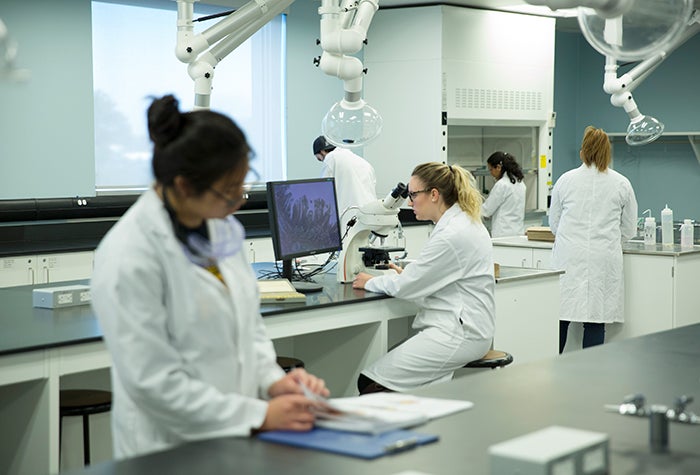
Labs — your next-level playground
Science labs can really help you understand and apply what you’ve learned in a lecture, and depending on what you're learning about, they can really blow your mind. For those of you who are already excited about university labs, here are the answers to some questions you've been wondering about.
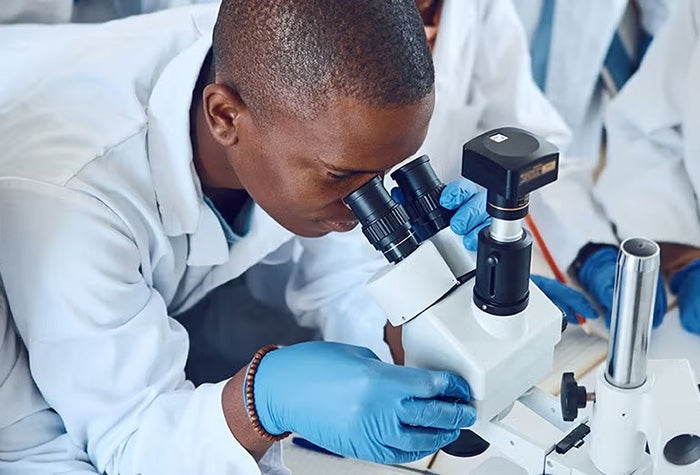
What is biology?
What is biology, really? It's the science of life and at its core, it’s about exploring how living things grow, function, adapt, and interact with the world around them. As a student, it’s a chance to explore big questions that can lead to real impact in health, research, and the environment.