Grant Recipients
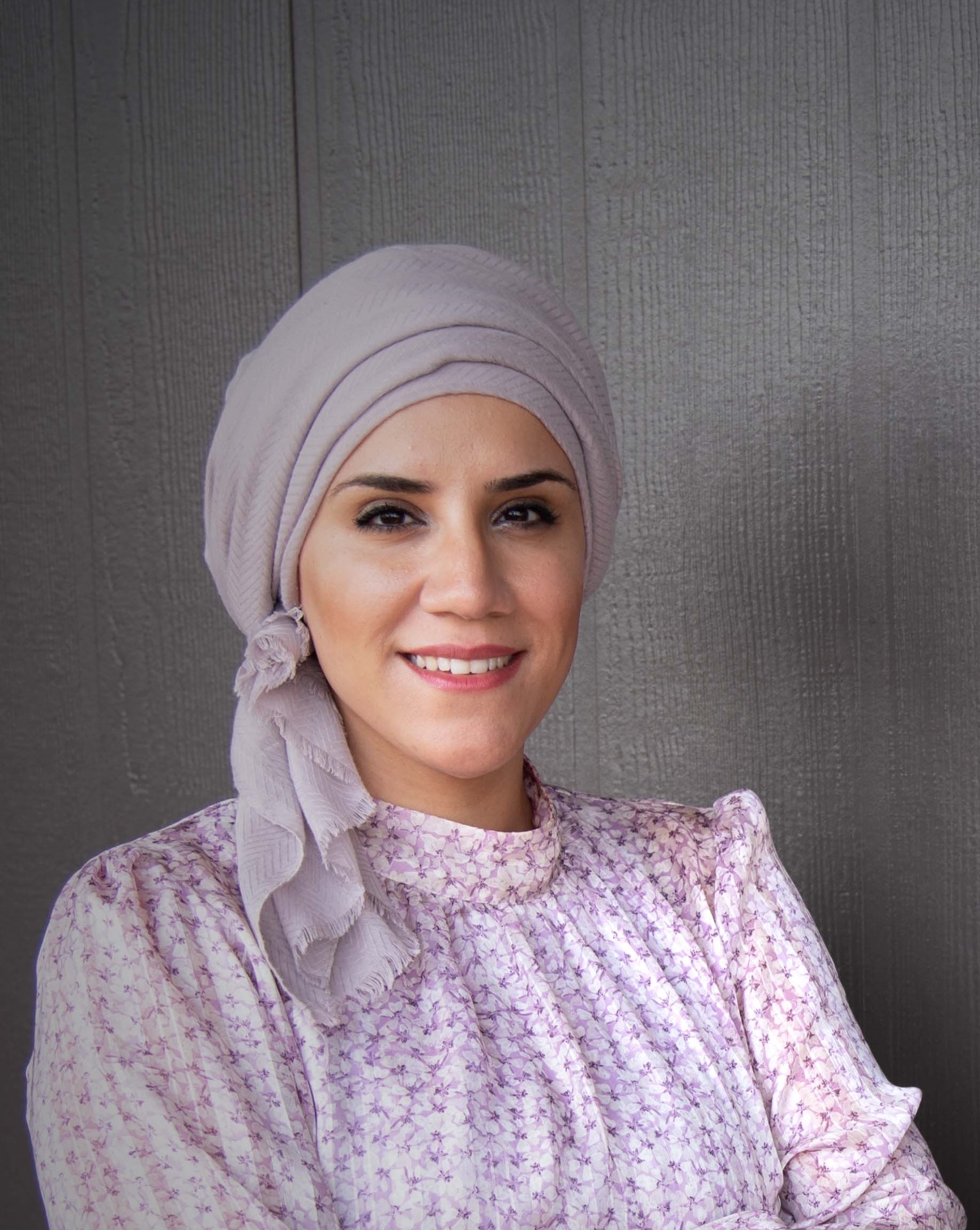
Anwar Jaber, School of Architecture
(Project timeline: January 2026 - June 2027)
Description
How could we teach about conflicts and destruction while addressing the complex emotions that come with it? This project introduces embroidery as an innovative and embodied pedagogical approach to teach complex, emotionally-charged topics such as political conflicts and war in architecture and urbanism.
Building on a current assignment pilot, this initiative develops a replicable curriculum model that integrates creative making into traditional, lecture-based courses. Through three structured workshops, architecture students will use embroidery as a reflective tool to critically analyze the spatial impacts of conflicts, while also engaging in a hands-on process that fosters empathy and a nuanced understanding of architectural agency. Using Trauma-informed approaches TIA and embodied-making EM, this project will assess how this approach leads to deep student learning. Expected outcomes include a pedagogical framework that can be adopted by instructors across various disciplines addressing political conflicts, and a publicly accessible website and exhibition of student work.
Research Questions
-
How does the act of embodied-making, such as embroidery, influence an architecture student’s understanding and critical reflection of conflict-affected cities in a way that is streamlined and effective? (Surveys, reflective journals)
-
In what ways can a non-traditional medium like embroidery serve as a form of architectural analysis, particularly for intangible concepts like memory, trauma, and conflicts, thereby optimizing the assessment of learning in these areas? (A rubric to assess embroidered pieces and statements)
-
Does this creative, hands-on approach lead to a more profound and lasting intellectual and emotional engagement with the subject matter compared to traditional, lecture-based methods? (Project interviews)