Why Environmental Engineering?
Environmental Engineers work at the interface between human-made and natural systems. They have a dual responsibility to both provide natural resources such as water and minerals for societal development, but also to protect and restore the natural systems on which we depend. More than any other engineering discipline, environmental engineering focuses on resource circularity, sustainable practices, and adaptation in the face of a rapidly changing world.
To tackle the complex environmental challenges we face—like climate change, water scarcity, and air and water pollution—environmental engineers draw on principles from chemistry, physics, microbiology, thermodynamics, and more. We combine this scientific foundation with innovative engineering design to develop solutions that are resilient, sustainable, and future-ready.
We face global crises in climate and biodiversity, and grand challenges in delivering sustainable, resilient, and safe infrastructure. In the environmental engineering program, we prepare students to design systems that improve our wellbeing and protect the natural world. This includes mastering traditional methods to deliver clean air and drinking water, treat wastes and prevent flooding as well as innovating new environmental systems to meet new challenges (like extreme weather, micro-plastics, renewable energy supply and energy from wastes), and planning for a future unlike the past.
We are rolling out new and exciting specializations to train students like you to confront these challenges, including Energy and Climate Change, Sustainable Cities, Modelling and Data Analytics, Pollution and Restoration, and Water Resources. Join us for instructors deeply committed to your success, high co-op placement opportunities in a variety of sectors and roles, and to take your place among a vibrant community of alumni running companies, launching start-ups, changing laws, improving lives, and saving our planet.

Courses in Environmental Engineering
While similar to many other disciplines studying the earth (such as biology, geology, geography, ecology) through field exploration, laboratory and computer modelling investigations, environmental engineers also benefit from the quantitative methods of mathematics and physics to further advance their understanding. Unlike other disciplines in the natural sciences, environmental engineers use their knowledge to design and implement solutions that can be undertaken to remediate and restore the environment.
We’ve recently re-imagined our Environmental Engineering program to better prepare students for the challenges of climate change, pollution, and biodiversity loss as technology advances and our world evolves. Here’s what’s coming in Fall 2025:
- More connected science courses that show how chemistry, microbiology, and physics interact in real-world environmental systems.
- Hands-on design courses that build key skills in software, data analysis, and sustainable solutions.
- Greater flexibility with fewer required courses, giving you more freedom to shape your degree around your interests.
Sample first-year courses
This is a sample schedule. Courses are subject to change.
| September to December | May to August |
|---|---|
Sample upper-year courses
CIVE 241 - Transport Principles and Applications
AE 572 - Building Energy Analysis
ENVE 577 - Engineering for Solid Waste Management
CIVE 583 - Design of Urban Water Systems
For a full list of the courses you will take in the Environmental Engineering program, see the undergraduate studies calendar.

Creating sustainable cities - Thiruni's story
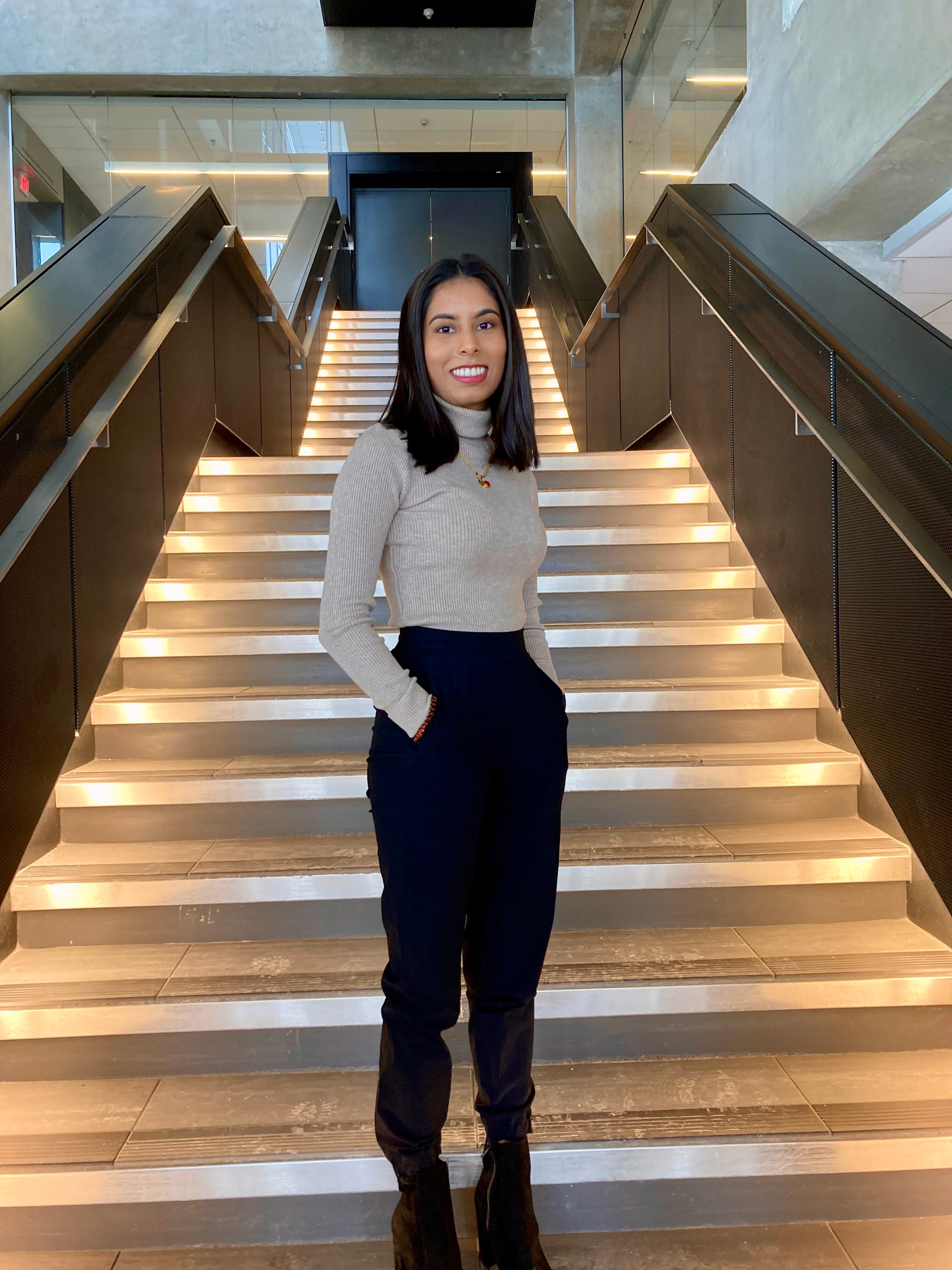
My passion for environmental preservation and sustainability began during my undergraduate studies, especially through my co-op placements and in CIVE/ENVE 230: Engineering and Sustainable Development. CIVE 230 is where I delved into the concept of sustainable cities and 'Smart Cities,' sparking my curiosity about how these strategies can effectively tackle challenges like environmental degradation, pollution reduction, and overall improvement in quality of life. I was especially intrigued by practices such as stormwater management, carbon sequestration, and the notion of '15-minute cities’. I decided to pursue my graduate studies in Environmental Engineering to explore these topics further.
One of the most urgent challenges in urban development is to manage carbon emissions and water resources. Urbanization and transportation are major contributors to carbon emissions, worsening climate change and air pollution. Environmental engineers have a crucial role in implementing strategies to reduce emissions through adopting renewable energy, creating energy-efficient transportation systems, and guiding sustainable urban planning. The transition from a Civil to Environmental focus has enabled me to explore the interdisciplinary aspects of engineering and apply skills and knowledge from my experience in Civil to solve complex problems.
The Environmental Engineering program at Waterloo offers a chance to contribute meaningfully to the development of sustainable urban landscapes. With innovative solutions such as green infrastructure, stormwater management techniques, and smart transportation systems, we can create cities that are not only resilient to environmental challenges but also vibrant, inclusive, and sustainable. Switching to Environmental Engineering will provide you with the skills and knowledge required to address urgent environmental challenges in our cities. We can pave the way for a future where cities thrive as centers of innovation and opportunity while also serving as stewards of the environment and champions of sustainability.
Learn more about Thiruni Thirimanne's research.
Co-op for Environmental Engineering students
You’ll have an unrivalled opportunity to gain paid work experience before you even graduate. We’ll help you navigate job applications, résumés, and interviews; you’ll have the added benefit of trying out different roles and/or industries to find the one that fits you while building your work experience and reinforcing your in-class learning out in the real world. It all adds up to a competitive advantage after graduation.
Environmental Engineering students are part of the Stream 4 sequence, meaning that your first work-term starts during the winter semester of your first year.
Some previous co-op positions include: Drainage Design Engineering Assistant, Environmental Engineering Assistant, Technical Writer, Tides and Water Levels Assistant, Field Engineering/Project Coordination, Industrial Wastewater Engineer, and Program Developer.
2023 Engineering Co-op Student of the Year
Frances Hallen, Environmental Engineering student
As a junior renewable energy developer, Frances demonstrated exceptional collaborative, design and research skills in raising awareness about renewable energy. Her accomplishments include:
- Organizing a solar site visit that included more than 20 employees from across Canada and United States to increase partner support.
- Designing research on the dispersion of acres occupied by corn ethanol, resulting in more than $7000 in social value savings.
- Preparing environmental review presentations to gain political support for EDF’s projects.

Environmental Engineering alumni stories
Iolanda Montagnese

Hear more about Iolanda's time in Environmental Engineering.
Michael Wong

Hear more about Michael's time in Environmental Engineering.
Janice Stonebridge

Hear more about Janice's time in Environmental Engineering.
Philip Schmidt

Hear more about Philip's time in Environmental Engineering.
Example careers for Environmental Engineering graduates
- Environmental protection technology development
- Water project management
- Public health and safety consulting
- Air pollution control system design
- Green building engineering
- Environmental consulting
- Sustainability and environmental compliance
- Environmental consultant
- Water resources specialist
- Environmental specialist
- Geomatics analyst
Customize your degree with specializations and options
A specialization is recognition of selected elective courses within your degree. Specialization offerings are unique to your engineering program and are listed on your diploma. With our reimagined curriculum, we’ve enhanced existing specializations and introduced two brand-new ones to help you tackle real-world environmental challenges. Starting Fall 2025, you can choose from:
Energy and Climate Change

Develop expertise in climate change, atmospheric processes, energy systems, sustainable buildings and the environmental and social impacts of energy solutions.
This specialization addresses the challenges of mitigating climate change through energy efficiency, reducing greenhouse gas emissions and ensuring sustainable, resilient infrastructure. It focuses on providing affordable, reliable energy, improving air quality and designing systems that adapt to environmental, economic and social factors.
Water Resources

Explore the physical science of water, its role in human and natural environments, water quantity analysis, GIS and remote sensing and conflict resolution for scarce resources.
This specialization addresses the challenges of water scarcity, climate change, and extreme weather events, such as floods and droughts, that impact water availability and infrastructure. It focuses on ensuring sustainable water distribution, resilient infrastructure, and effective management of water resources in the face of changing environmental conditions.
Sustainable Cities

Study urban infrastructure, transportation, and civil engineering systems, with cross-disciplinary training in urban planning, landscape design and decision-making for sustainable cities.
This specialization addresses the challenges of creating sustainable, resilient cities in the face of climate change, focusing on urban infrastructure, transportation, and environmental systems. It aims to improve land-use planning, manage resources like water and waste, and promote sustainable energy and transport systems to create safe, inclusive urban environments.
Pollution and Restoration

Focus on chemical and biological processes for air and water management, treatment strategies and nature-based solutions for ecosystem resilience.
This specialization addresses the challenges of pollution, waste management, and resource depletion by promoting sustainable practices and eco-efficient systems. It focuses on ensuring clean water access, reducing harmful chemicals, and developing resilient solutions for pollution control and resource recovery in the face of climate change.
Modelling and Data Analytics

Build skills in coding, big data, optimization, machine learning and image processing for environmental applications.
This specialization addresses the challenges of managing and analyzing complex environmental data to understand processes and design sustainable systems. It focuses on improving infrastructure resilience, energy efficiency, water management, and urban sustainability through advanced data analytics and modeling techniques.
Options
Options are a way to provide you with a path to expand your degree and get a secondary emphasis in another subject or area. Students should decide if they are interested in taking options as they enter second year. Some available options are:
Capstone design projects in Environmental Engineering
Capstone Design is the culmination of the engineering undergraduate student experience, creating a blueprint for innovation in engineering design.
Supported by numerous awards, Capstone Design provides Waterloo Engineering students with the unique opportunity to conceptualize and design a project related to their chosen discipline.
A requirement for completion of their degrees, Capstone Design challenges students teams to push their own boundaries, and apply the knowledge and skills learned in the classroom and on co-op work terms. It reinforces the concepts of teamwork, project management, research and development.
For a full list of previous capstone design projects, see our Capstone Design website.
Wildfire Warriors (Capstone 2024)

The severity and frequency of wildfires in British Columbia have increased dramatically, putting communities within the province at heightened risk. To address this, our team Wildfire Warriors is creating a tool that will assess a property's fire risk level, propose a series of fire mitigation measures and determine the environmental, economic and social impacts of those measures. This helps to make fire safety more accessible to homeowners as it educates them on the benefit of fire mitigation measures and improves the ease of implementation.
AquaLiving Inc. (Capstone 2025)
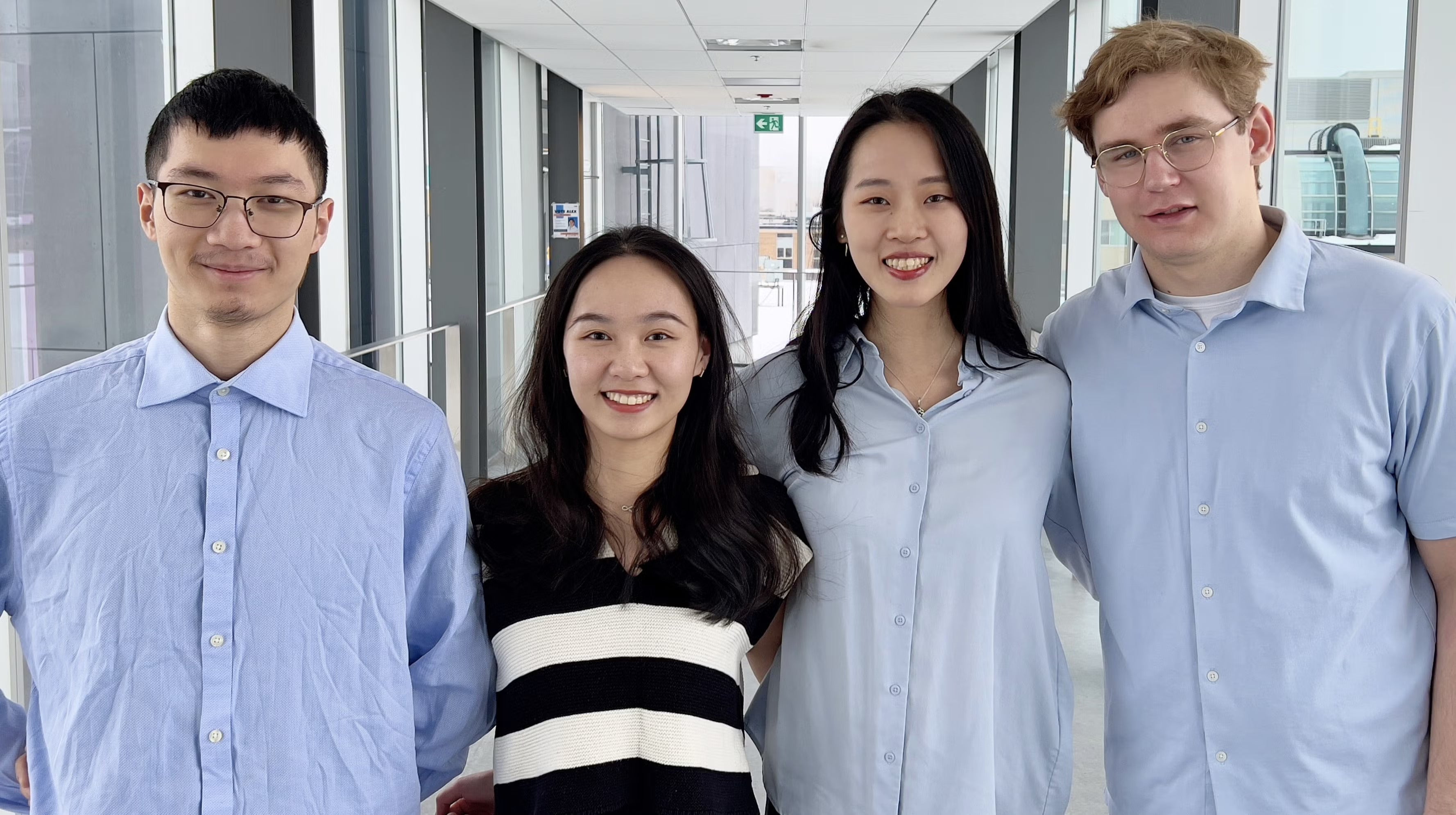
The Cooksville Creek Watershed is located in the core area of the City of Mississauga, which has experienced severe flooding caused by 100-year rainfall events in July and August 2024. The AquaLiving team is designing a sustainable stormwater management solution with Low Impact Development (LID) implementation, through the industrial hydrologic modelling software PCSWMM. This will promote flood resilience for future storm events and minimize city landscape disturbance.
Connect with us
Abby Edington, Marketing & Undergraduate Recruitment Specialist

Abby Edington is the Marketing and Undergraduate Recruitment Specialist for the Faculty of Engineering at the University of Waterloo. She completed her Bachelor of Arts in Psychology and Social Development Studies with co-operative education at the University of Waterloo in 2023. She can respond to a variety of prospective engineering student questions including topics such as admissons, co-op, student services, and programs.
Bruce MacVicar, P.Eng., Director of Environmental Engineering
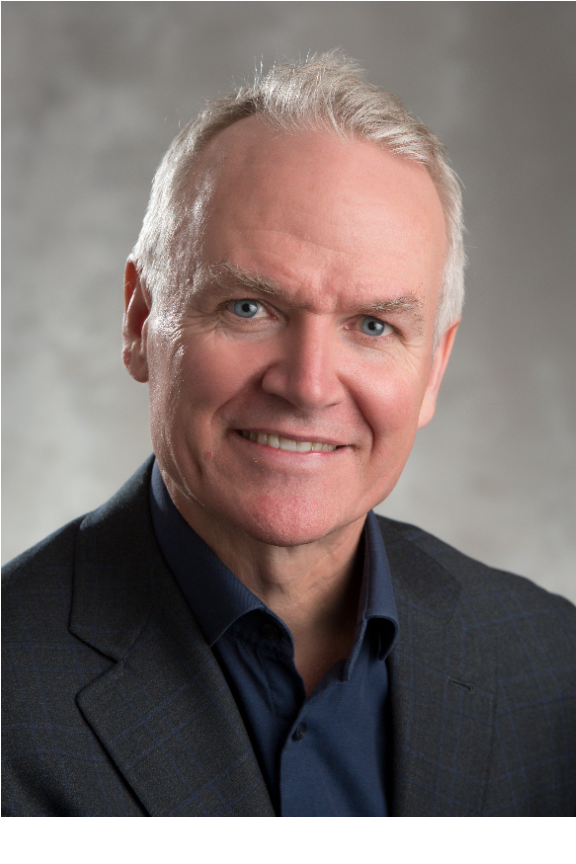
Dr MacVicar completed a Bachelor of Applied Science at the University of Guelph in 1996, a Master of Applied Science at the University of British Columbia, and a PhD at the Universite de Montreal. He was also a post-doctoral fellow at both the Universite de Lyon in France and the University of Illinois at Urbana-Champaign in the United States prior to coming to the University of Waterloo. Dr. MacVicar has taught several courses in the civil engineering programs, including CIVE 382 - Hydrology and Open Channel Flow, CIVE 583 - Design of Urban Water Systems, CIVE 682 - Free Surface Hydraulics, and ENVE 280 - Fluid Mechanics. In his research and teaching he is most interested in water resources and river engineering.