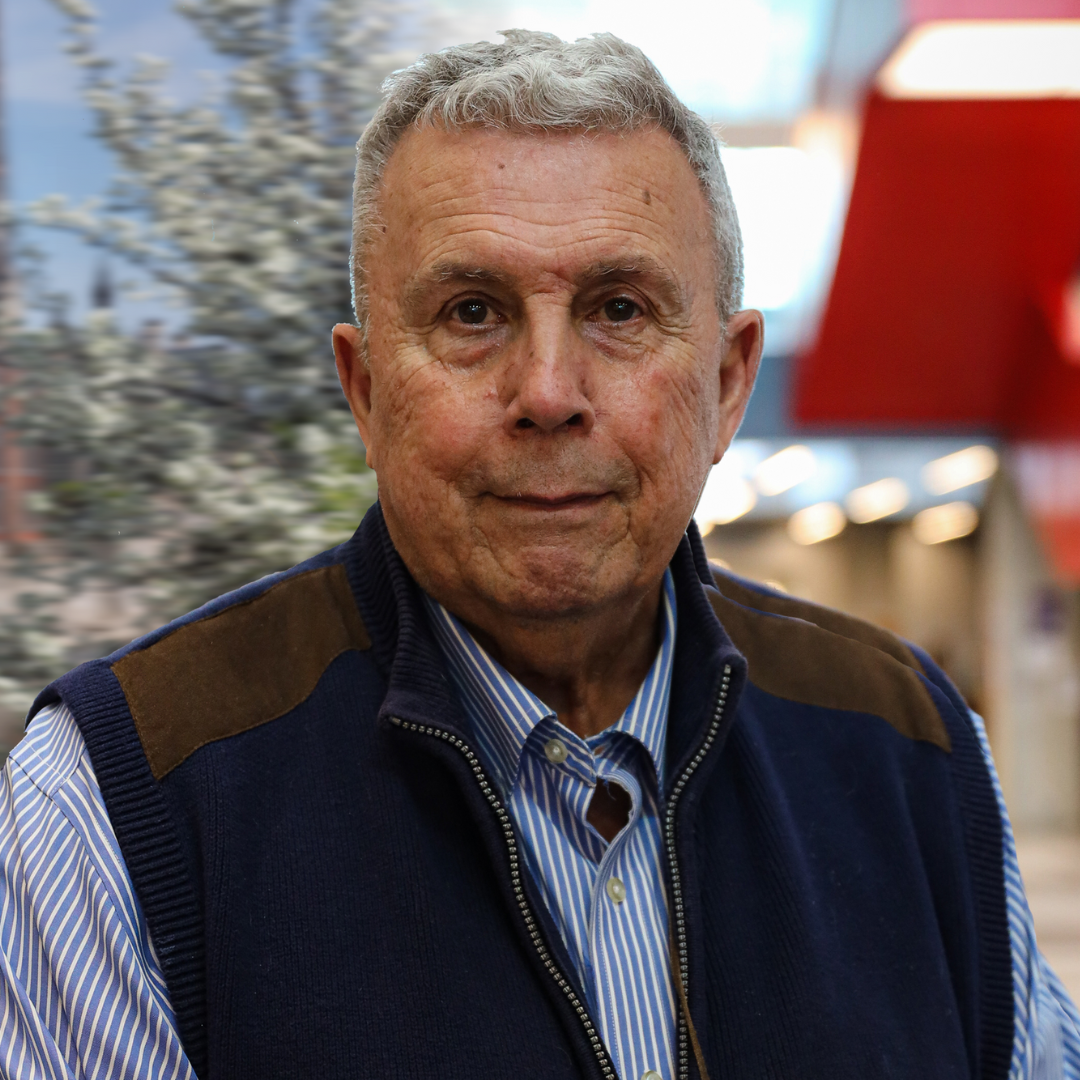
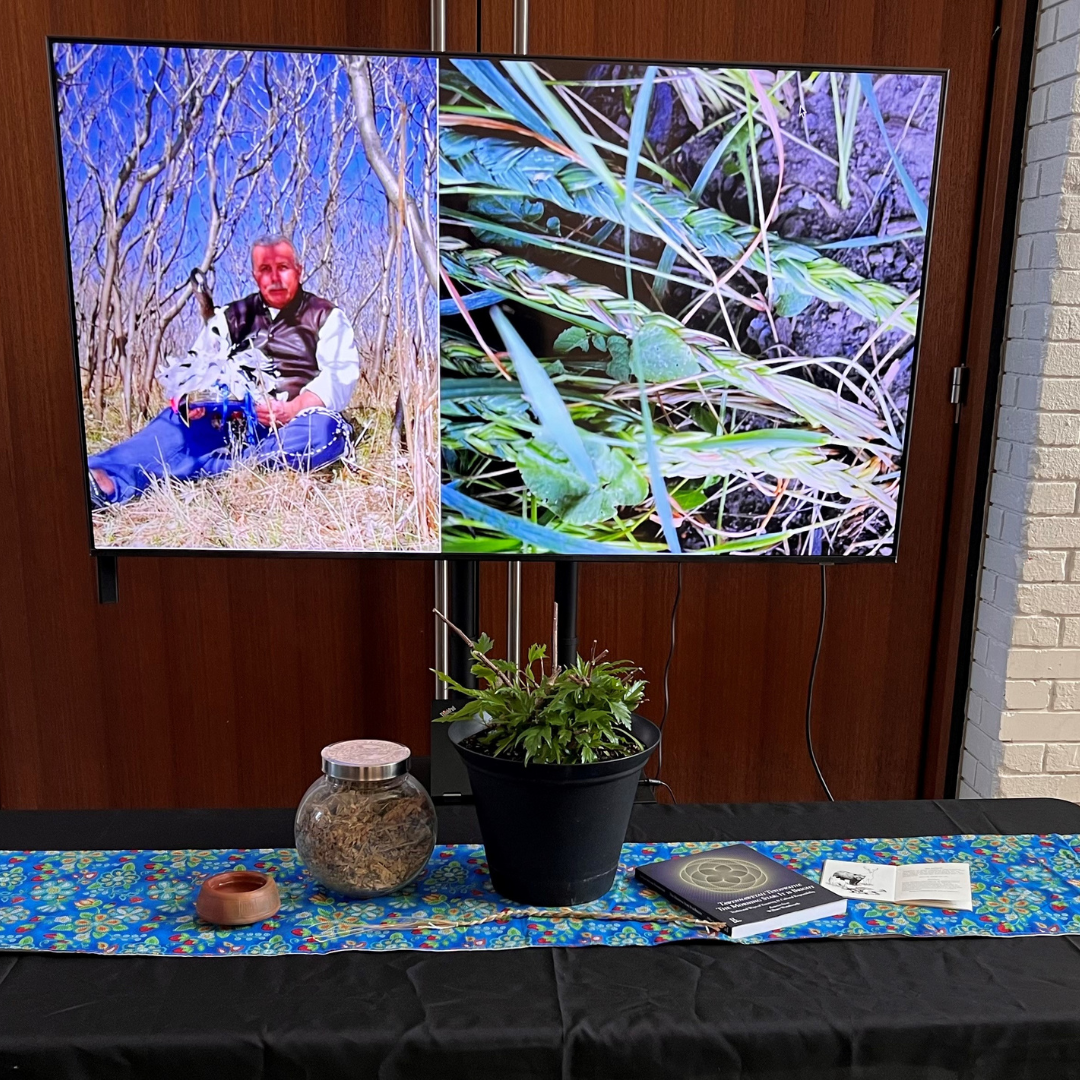
The School of Architecture became a place of remembrance on September 19 as students, colleagues and friends gathered to celebrate the life of Elder-in-Residence William (Bill) Woodworth. Stories shared that afternoon spoke of an architect, professor and Elder whose presence helped people feel seen and whose teachings continue to shape lives.
Woodworth, Raweno:kwas in his Haudenosaunee name, was a member of the Lower Mohawk Kanien’kehá:ka Nation of Six Nations of the Grand River. As the Faculty of Engineering’s first Elder-in-Residence and a long-time faculty member in Architecture, he created space for meaningful conversations and a deeper understanding of Indigenous knowledge.
Born outside Detroit to a Mohawk mother and British father, Woodworth trained as an architect at the University of Michigan, later running his own practice in Toronto. His path included doctoral work in San Francisco and an apprenticeship with Cayuga Chief Jacob Ezra Thomas, whose influence guided much of his later teaching. His book Tawennawetah Teyoswathe, The Morning Star: It is Bright, published by Riverside Press in May 2025, is a reflection on memory, ceremony and Indigenous identity.
Speakers recalled his ability to shift perspectives with care and insight. Dean Mary Wells described how he changed the way she thought about everyday life. “In his reflections, Bill revealed a way of seeing the world that infused empathy, respect and presence into even the most ordinary of objects,” she said, adding that his wisdom “continues to guide our community”.
For Benn McGregor, a software engineering graduate who studied with him, Woodworth’s impact was deeply personal. “The assignment had me reflecting on where I came from and my responsibility to assist in reconciliation,” McGregor said. “I came to a deeper understanding of my role in the world. It was empowering, and I’m still carrying it forwards”.
The School of Architecture's administrative officer, Andri Efstathiou, shared the following quote from Woodworth’s book on behalf of the Architecture community.
“My first assumption is that all creativity, like the acts of conceptualizing, drawing, and writing are, in the most real way, acts of memory, deep remembering, ancestral memory, if you will. According to Frank Lloyd Wright, those of who remember most deeply are thought to be the most creative and in touch with the wellspring of imagination and genius, as it is named. What we think, how we act, what gets expressed through us, strikes others as profoundly familiar, somehow part of the deep past, and the projected future, all at once, in a profoundly charged present moment! Louis Kahn, the American Architect (1901-1974) put it this way in a cryptic triune: What was has always been, what is has always been, what will be, has always been.” (Woodworth, Tawennawetah Teyoswathe, The Morning Star: It is Bright, 2025, p. 34).
The gathering closed with a shared recognition that Woodworth’s greatest legacy lives on in the people he taught and counselled, who carry his lessons forward in their own lives and work.
To see more of Woodworth’s storytelling, watch Twelve Architectures, a series of lectures he created to share the history of the Haudenosaunee from creation to the present day.

Elder William (Bill) Woodworth

A table set in memory of Elder Bill.