University of Waterloo students from the faculties of Engineering and Science wowed Canadian Nuclear Laboratories (CNL) with their interdisciplinary ingenuity at an innovation challenge hosted by the University’s Pearl Sullivan Engineering Ideas Clinic.
The weekend-long event, funded by Canada’s national nuclear science and technology organization, challenged 71 students from any year of study to form teams and design and prototype systems to safely transport spent nuclear waste from across Canada to an underground storage facility — called a deep geological repository (DGR) — in Ontario.
CNL presented the 20 teams with four problems to choose from — vehicle state monitoring, route optimization and environmental challenges, loading and unloading nuclear fuel, and emergency communications. They were given realistic constraints such as public safety and regulatory considerations and examples of potential solutions, such as vibration and temperature sensors, computer vision for storage cask integrity and routing codes that account for weather, population density and road closures.
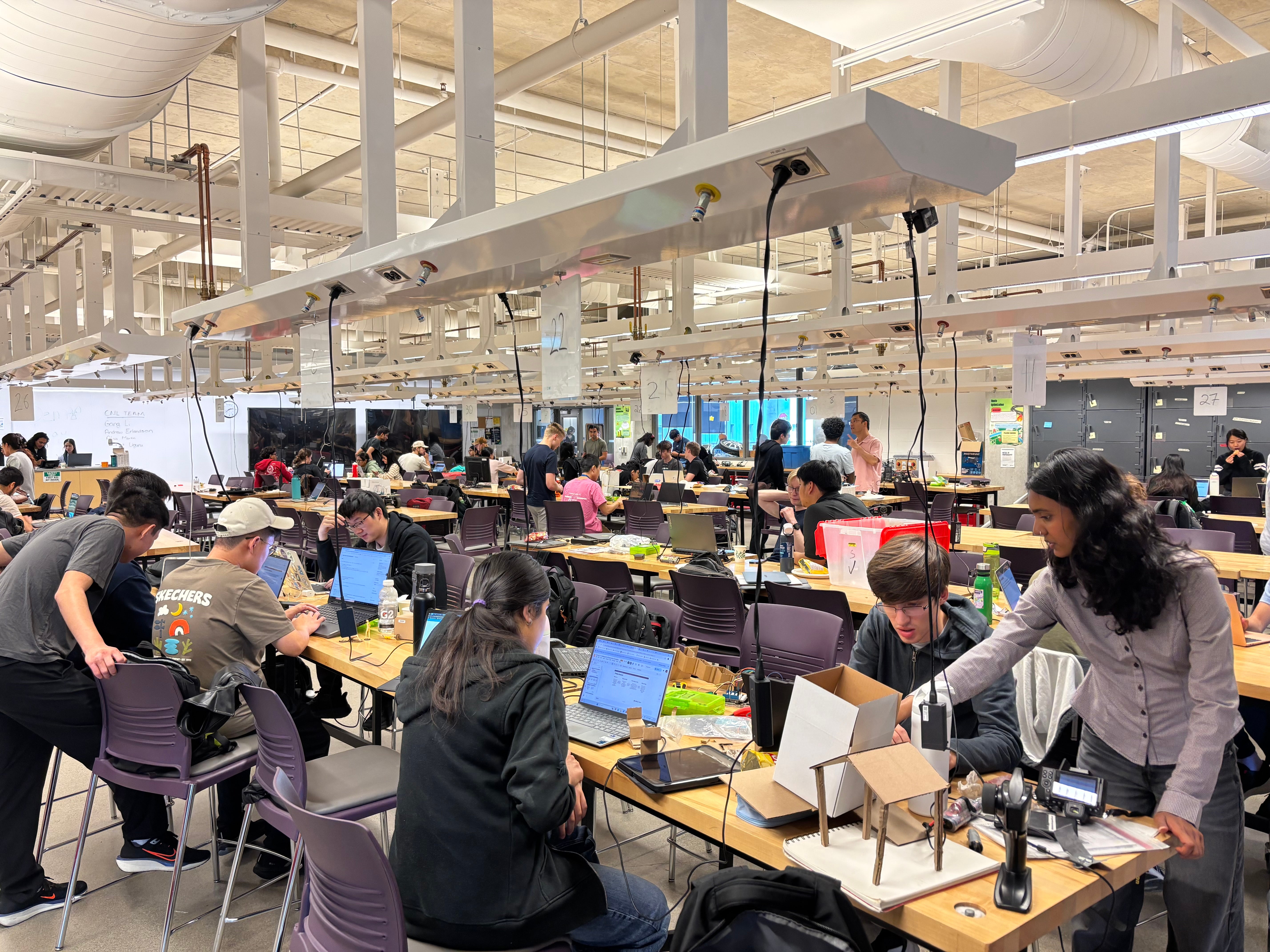
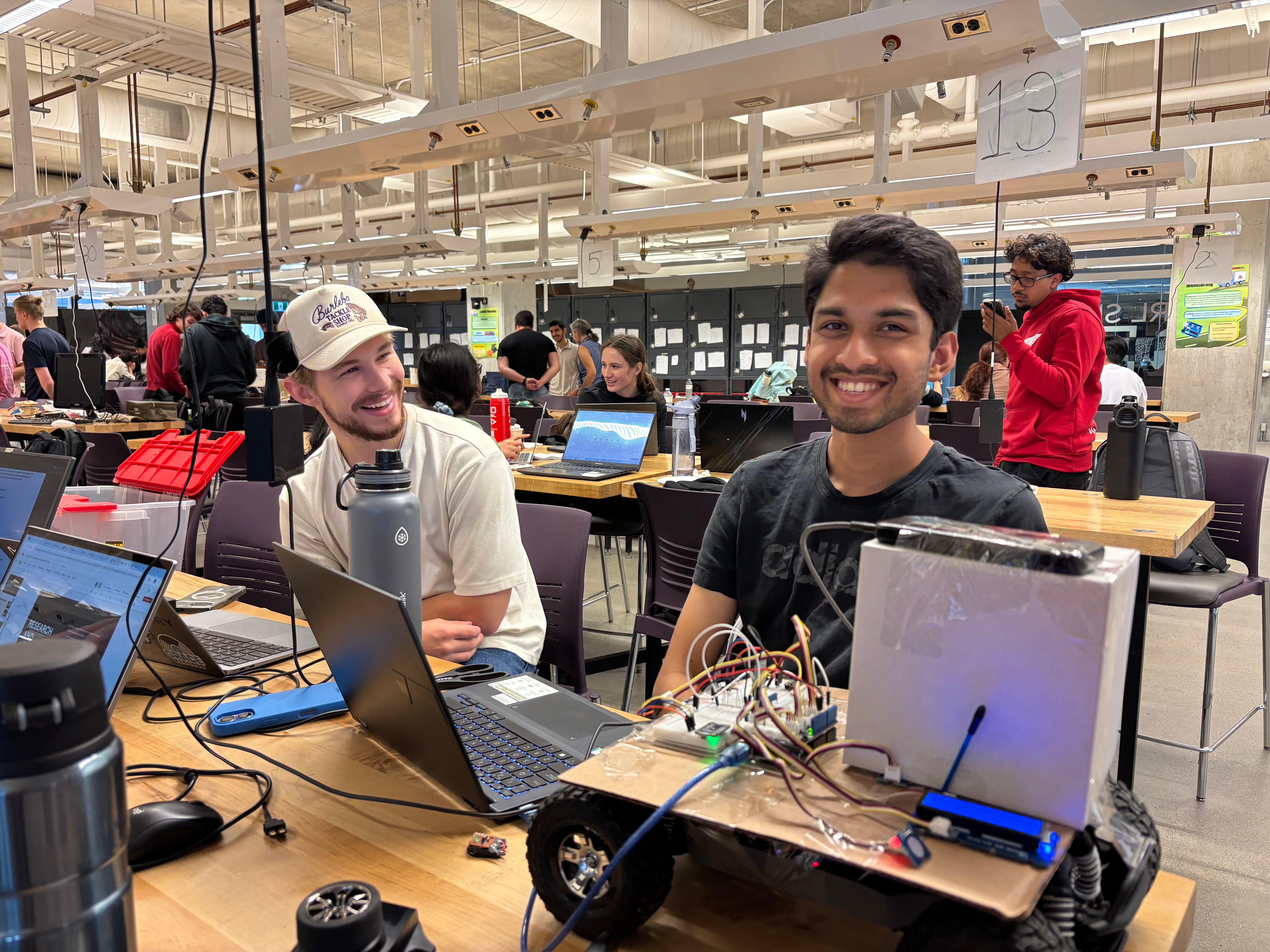
The teams got to work quickly, navigating the highs and lows of problem-solving — building, testing and rebuilding — as the clock ticked down to the demo deadline.
“I’m here to build and make my skills better,” one participant said. “I want to improve my coding and hardware skills and turn an idea into something real and impactful.”
An impressive display of Waterloo talent
The CNL judges were impressed by the students’ sustained energy, creative building skills and innovative approaches to solving the problems.
Solutions included a locking mechanism to ensure the radioactive payload stays in place while the truck is on the move with additional facial recognition security software that allows only authorized personnel deactivation access; a fail-safe sensor system that triggers alarms in risk priority sequence from temperature to radiation detection, and a crane system to move the nuclear waste on and off the truck that requires two-person authorization to work.
One creative team went beyond the brief and tackled the challenge a bit differently. They devised a solution that used self-healing nano-engineered materials to build the walls encasing the nuclear materials. This solution, composed of layered thin film polymers, ensures that even if the nuclear flasks are punctured, it can repair the damage and prevent further nuclear radiation leaks. While the feasibility of this approach would need further investigation, the team got a start on the research to show that it is possible. None of the event’s organizers or judges anticipated such an innovative approach and the team was duly rewarded for their creativity.

Waterloo students tackling problems in the Pearl Sullivan Engineering Ideas Clinic.

The importance of industry-academic collaboration
The CNL challenge was the Ideas Clinic’s first nuclear-focused innovation challenge, underscoring the importance of industry-academic partnerships to introduce students to real-world problems. It also highlights what the Ideas Clinic does best — provide students with a unique, hands-on learning experience that is embedded in the real world and mentored by industry professionals.
Obinna Uguru, CNL’s academic collaboration lead, said, “Industry–academic collaboration is central to CNL’s mandate as Canada’s national lab. We’re serious about preparing the next generation of nuclear professionals and understand that exposing students early to real challenges and expert mentorship helps spark career interest and support skills development.”
Alicia Martin, a nuclear verification and validation scientist at CNL, spoke at a Women in Engineering (WiE) and Women in Science (WSci) event ahead of the innovation challenge to share her career journey with students.
“It’s important that young women see themselves in STEM and understand how their interests can translate into impactful and meaningful work in nuclear and adjacent fields.”
As a judge at the innovation challenge, Martin said the student teams delivered “incredibly innovative” solutions in just two days, moving from brainstorm to fabricated prototypes and working systems fast. She highlighted the value of cross-functional collaboration with students from first through fourth year, and from Science and Engineering — calling it “truly what science is,” and exactly the kind of interdisciplinary practice the sector promotes.
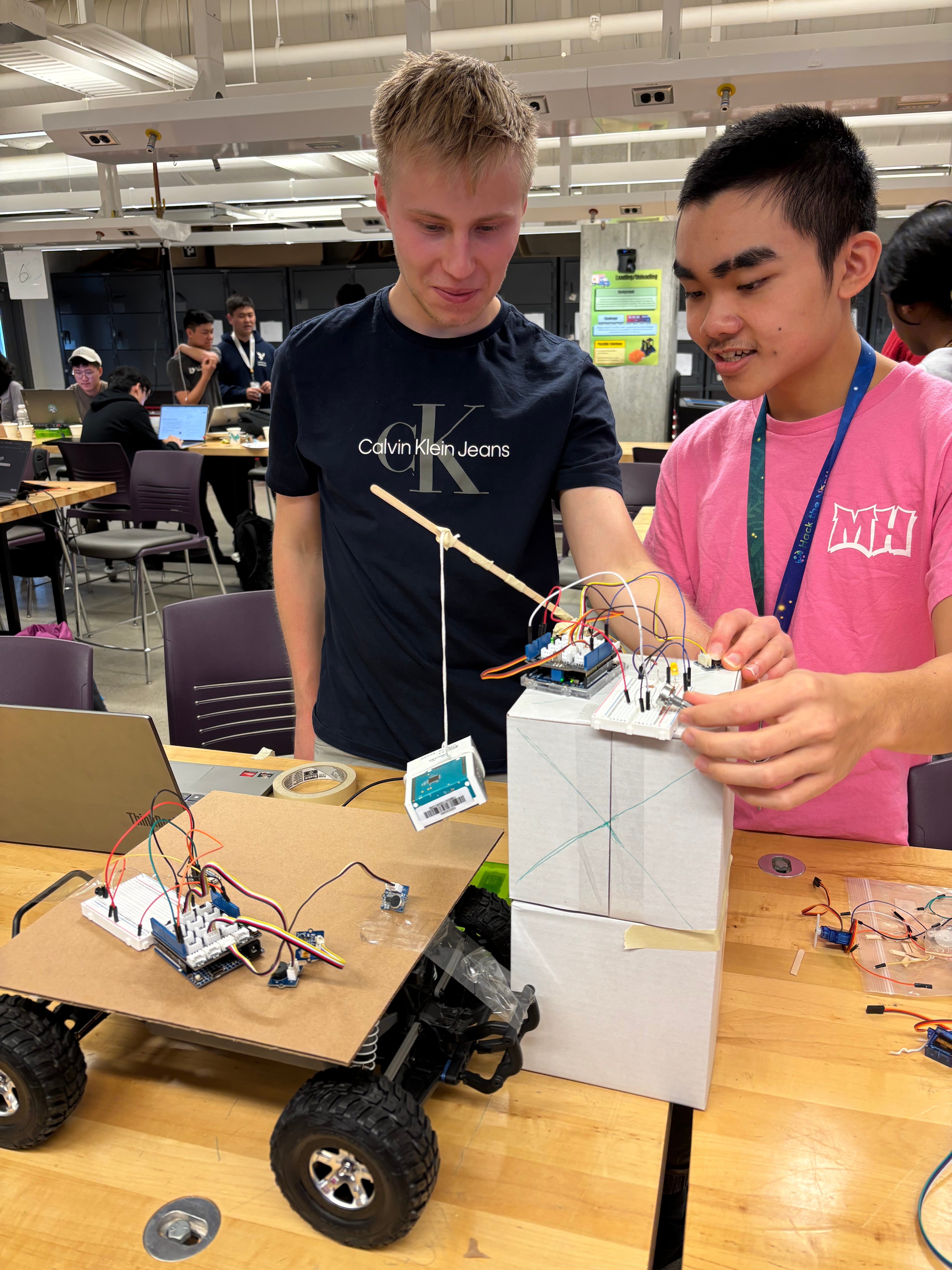
The Ideas Clinic and CNL look forward to strengthening their partnership, creating more experiential learning opportunities for students, enhancing collaboration between CNL scientists and Waterloo researchers, and working together to build solutions that matter to public safety and Canada’s clean-energy future.
The CNL Nuclear Innovation Challenge was designed by the Pearl Sullivan Engineering Ideas Clinic in collaboration with CNL. Mentors and judges included the CNL team Obinna Uguru, Academic Collaboration Lead, Alicia Martin, Nuclear Validation and Verification Scientist, Gang Li, Applied Physicist and Andrew Erlandson, Physicist/Section Head; Monique Hobbs, Professional Geoscientist at MHobbs GeoIntegration Inc.; Sukhit Singh Sedra, Assistant Professor in the Department of Computer Science at Wilfrid Laurier University; and the Ideas Clinic team.
Get in touch with Silas Ifeanyi the engineering educational developer at the Pearl Sullivan Engineering IDEAs Clinic at the University of Waterloo, to find out how you can support and participate in upcoming interdisciplinary workshops and innovation challenges designed to improve educational outcomes.
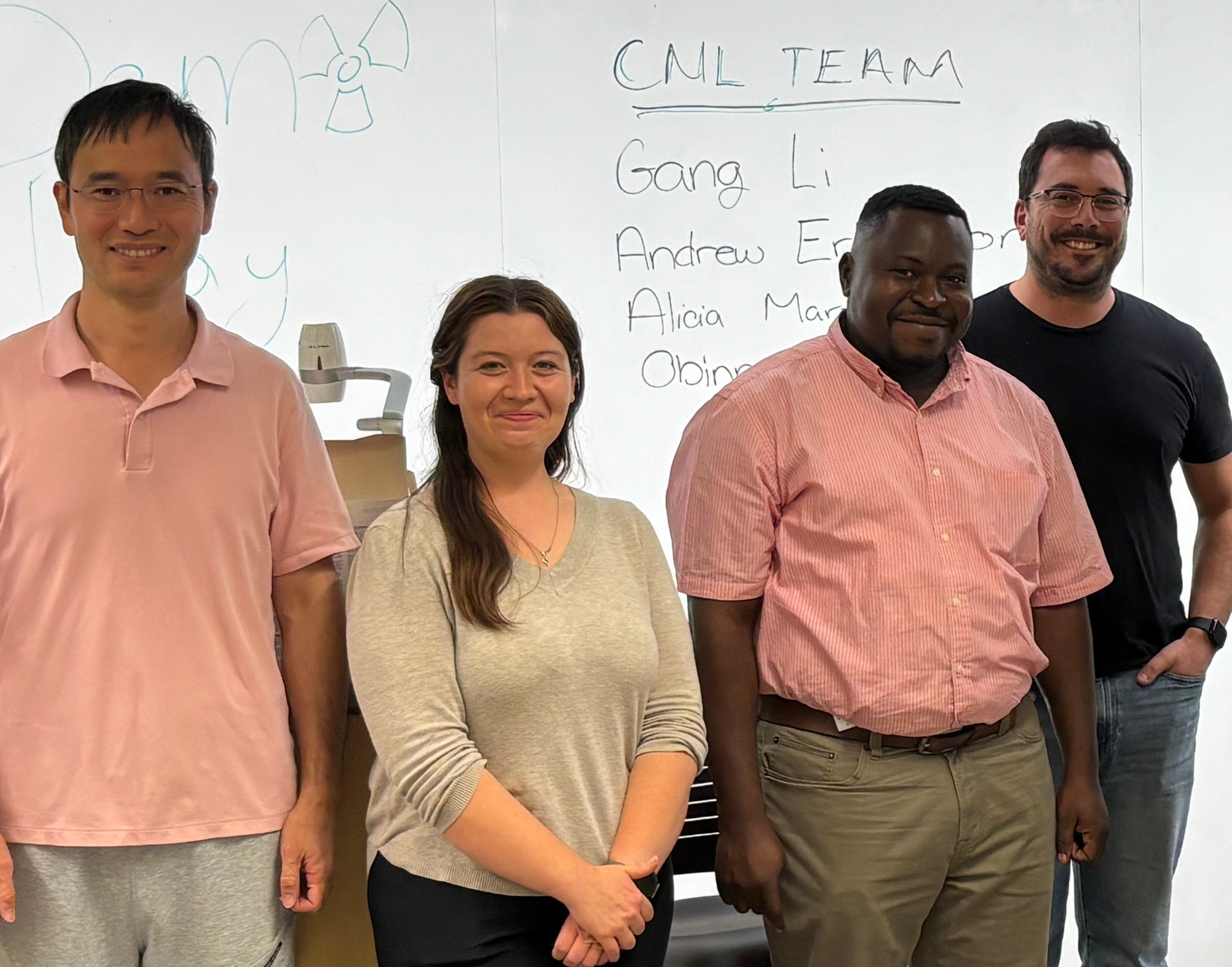
The CNL team from left to right: Gang Li, Alicia Martin, Obinna Uguru and Andrew Erlandson.
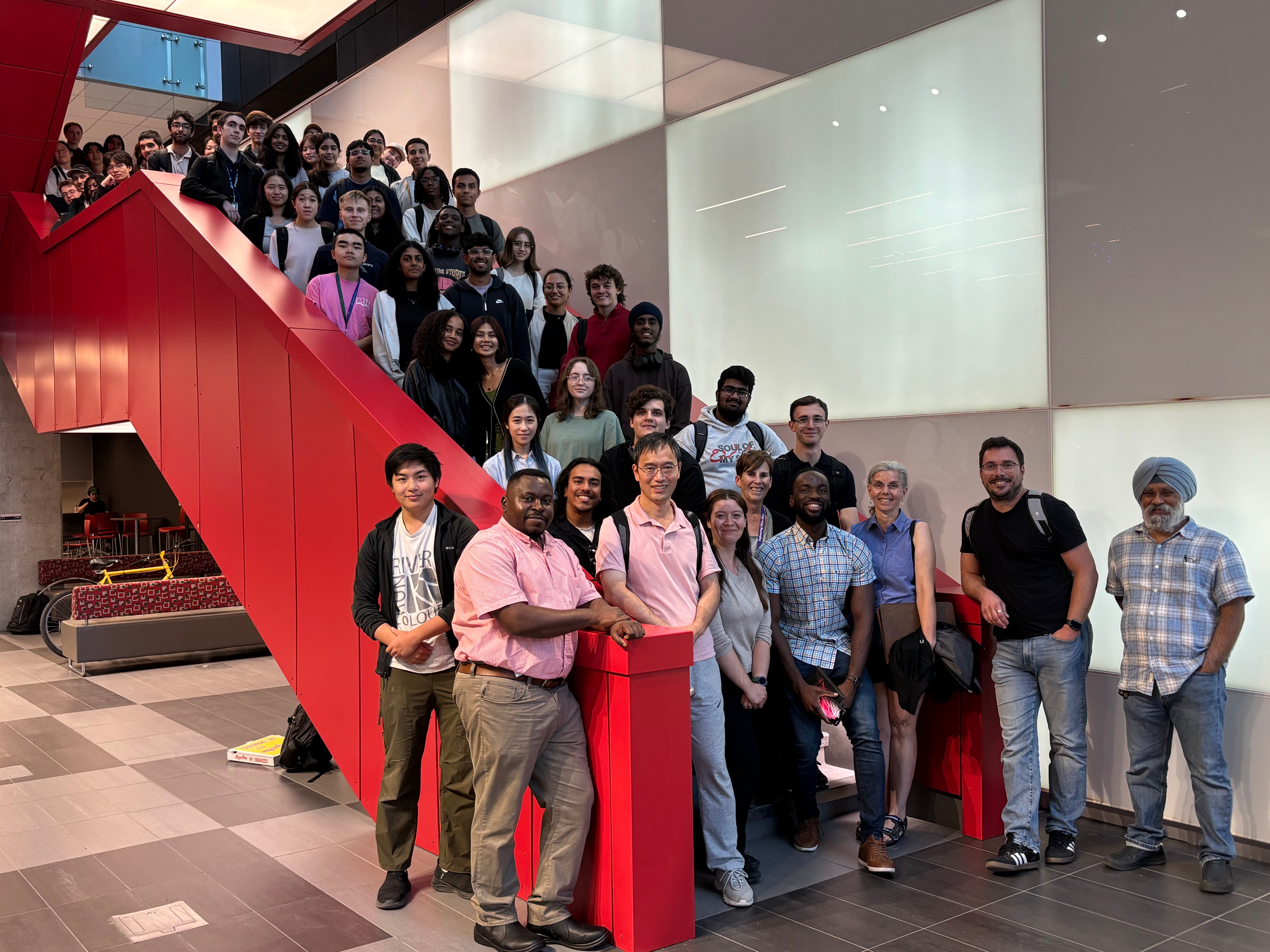
Innovation Challenge done! Waterloo students, the CNL team, the Ideas Clinic team and guest judges.