Before she pushed through the double doors to counselling services, Yollanda Zhang would look around to make sure no one could see her.
She was a second-year Systems Design Engineering student, recently diagnosed with bipolar disorder, and her parents had told her not to tell anyone. So she didn’t — not her roommates, not her professors. When she missed class, she told her classmates she had migraines.
“I had so much shame around this experience,” she says. “It felt way too scary to share.”
More than 20 years later, Zhang (BASc ’04) is sharing that story for the students who might be standing outside those same doors today.
After graduation, she worked at GE Healthcare, taught high school math and physics, founded a Mandarin school and a non-profit, and became a Registered Psychotherapist (Qualifying), author and speaker. Her upcoming book returns to the moments in her life when she felt most alone, including one in Dana Porter Library, to tell her younger self what she wishes she’d known.
As exam season approaches, her message to Waterloo Engineering students is the same one she’d give that younger self: struggling doesn’t mean you’re failing, and you don’t have to do it alone.
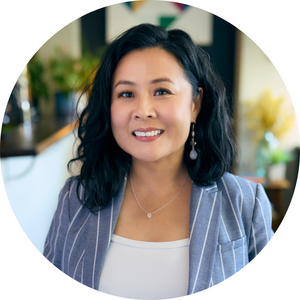
Yollanda Zhang (BASc ’04), Systems Design Engineering
Struggling isn’t failing
For Zhang, second year was the hardest of her degree. She spent it in an active depressive episode and didn’t take any time off.
“I didn’t want to miss out on graduating with my classmates, and there was a lot of pressure and shame I was placing on myself to not be delayed,” she says. “Looking back, I’m not really sure how I made it through.”
Underneath that pressure was a belief she’d absorbed at home, where mental illness wasn’t something she was encouraged to talk about.
“I always thought that struggling with mental health challenges meant that I was somehow weak or lazy,” she says. “Culturally, that is the narrative that we inherit from previous generations.”
She knows many Waterloo students carry that same narrative. She hears it from her clients today, often high-achieving perfectionists. What she tells them is the last lesson in her book: it’s not your fault.
It took her years to apply that lesson to herself. Partway through her master’s degree, she landed a book deal and faced the same choice she’d faced in second year. This time, she took a semester off.
“We put so much pressure on ourselves to do things on a specific timeline or a set way,” she says. “It’s important to remember that there’s no set timeline or path we need to follow.”
That includes making room for rest. “Rest is essential, but it’s not something we’re taught to prioritize as engineers,” she says. “We’re taught to do more, to do better.”
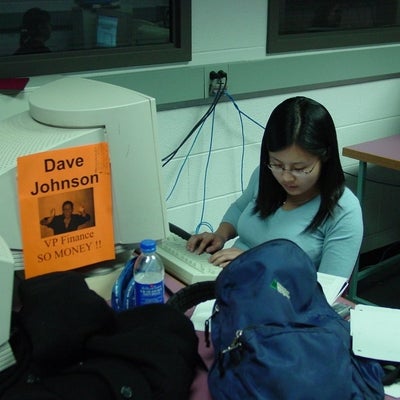
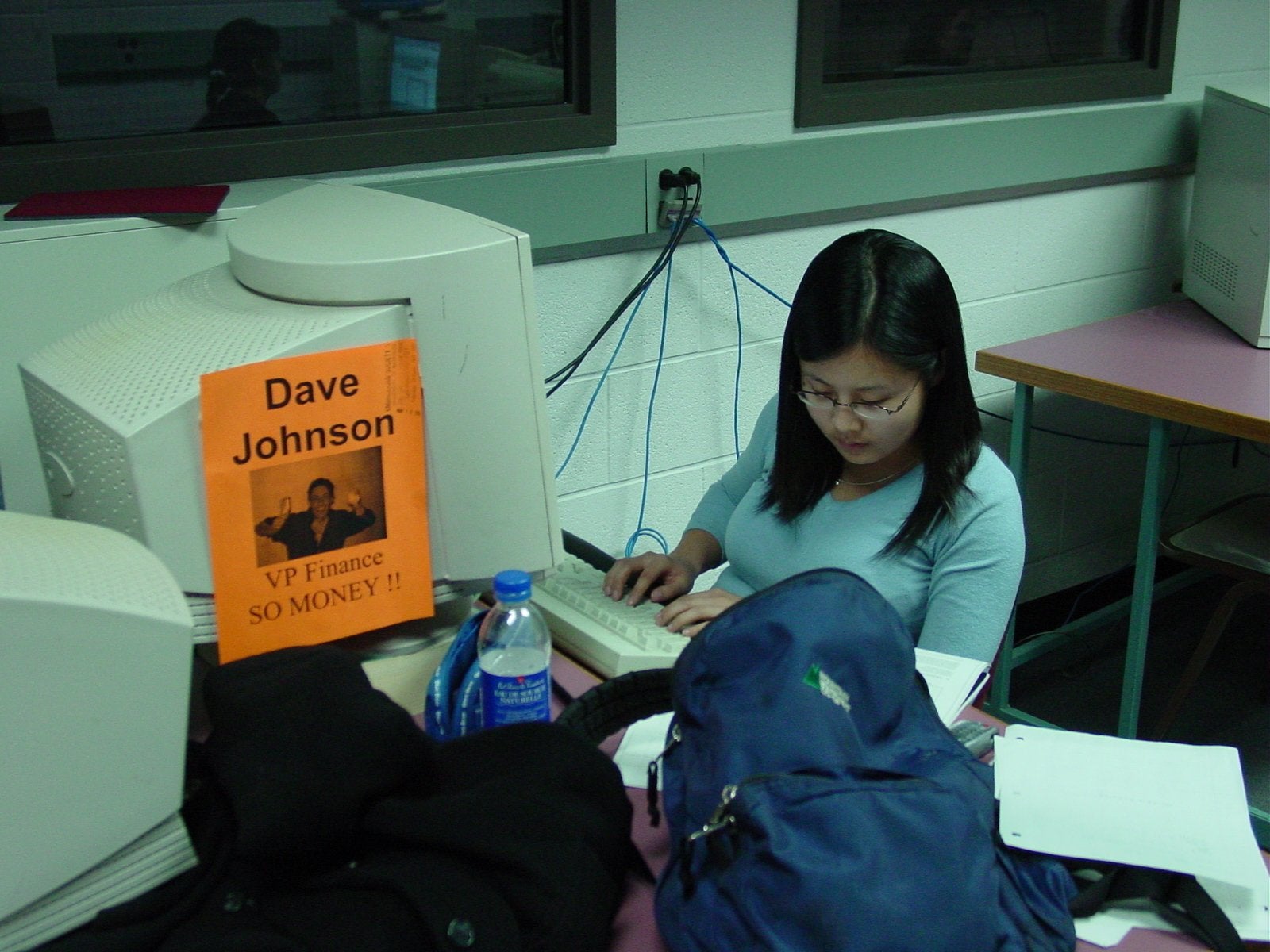
Zhang studies as a Systems Design Engineering student.
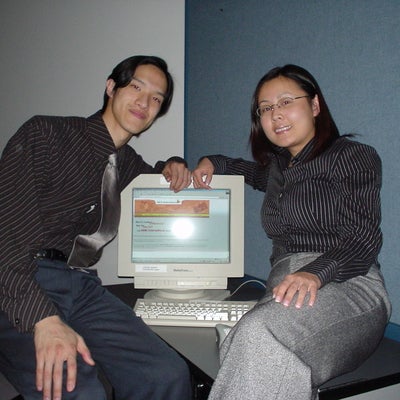
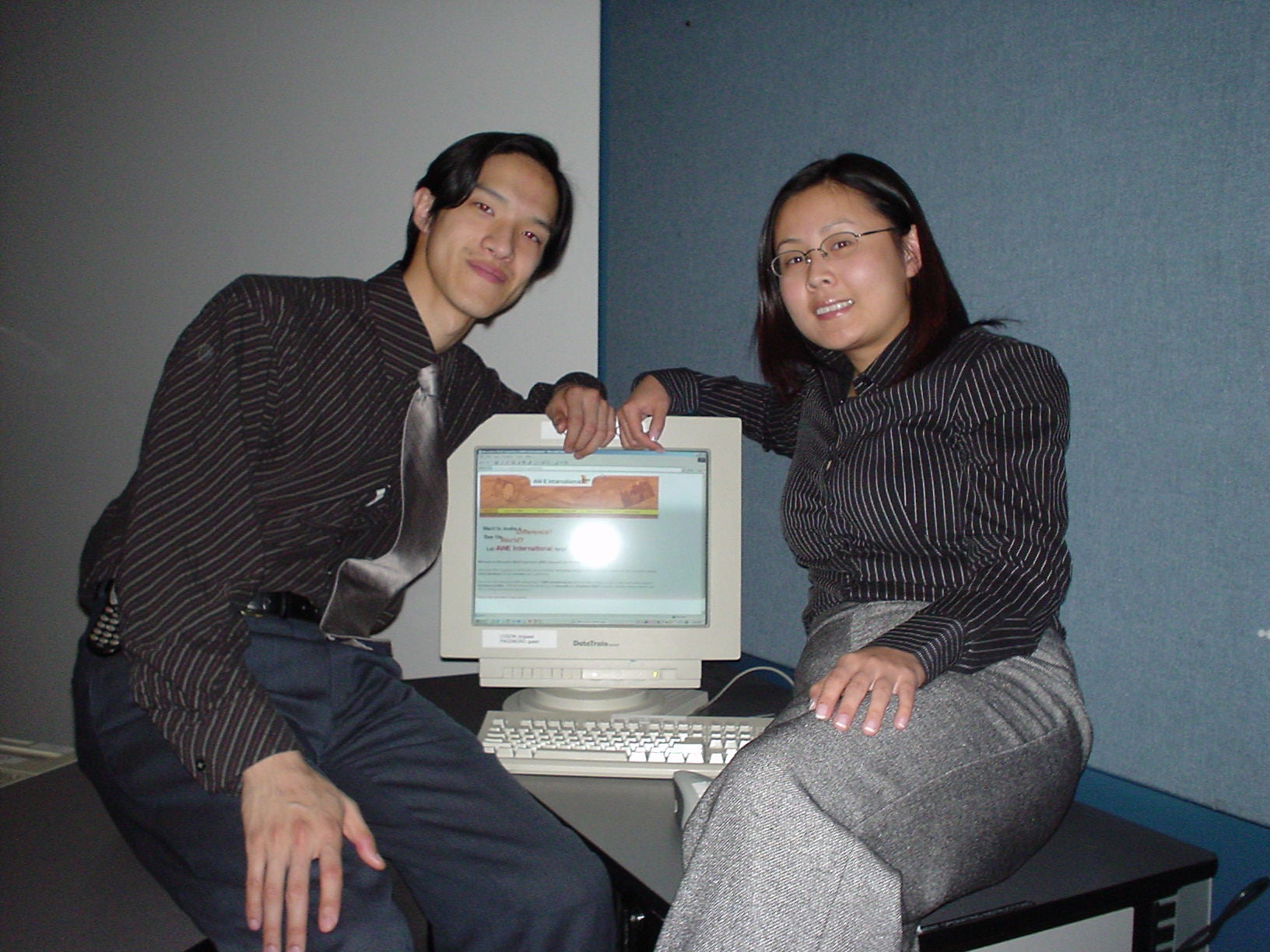
Zhang and classmate Chris Lau pose with their fourth-year design project.

Zhang poses with students during her co-op term teaching English in China.

You don’t have to do it alone
The same shame that kept Zhang pushing through also kept her quiet. When she went to counselling, her counsellor encouraged her to tell her professors so she could access accommodations.
“There’s no way I would tell any of my professors,” she remembers thinking. “There were services that I know I could have accessed, but the internalized shame really stopped me.”
She didn’t tell her roommates either. When she finally did, years later, “they were so shocked, and they were also really sad,” she says. “They said, ‘Why didn’t you say something? We could have helped you.’”
Those friendships have lasted more than 20 years. Looking back, Zhang knows her classmates would have been there for her, and that students now have people ready to support them, even when asking for help feels difficult.
She has a message for anyone standing outside those doors today — the same one she’d give her younger self.
I used to think that resilience meant being strong enough not to break. I don’t believe that anymore. Being resilient also means being willing to let others support you and walk alongside you. If you’re standing outside those doors, you don’t need to have the right words. You can start with, ‘I’m struggling, and I need some help.’
I wish my younger self had known that needing support didn’t make her any less capable or worthy. You deserve care long before you reach a breaking point.
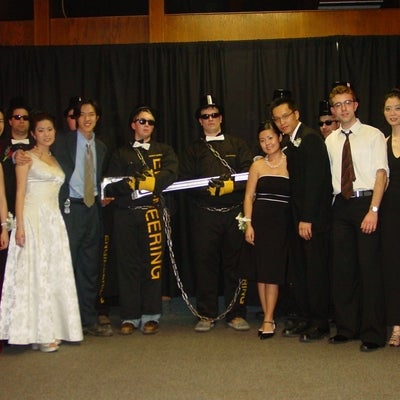
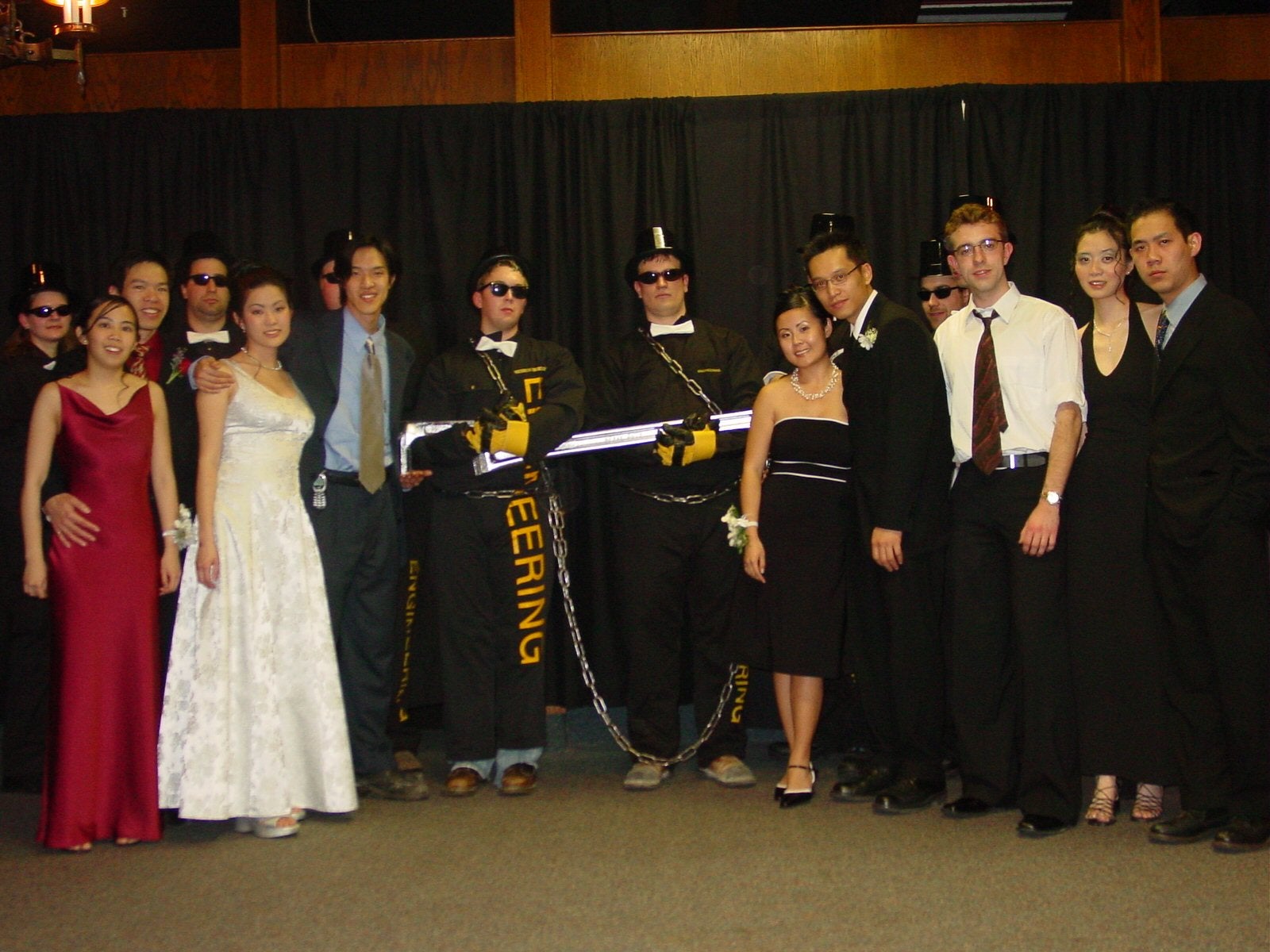
Zhang celebrates with classmates at their grad ball. From left: Sylvia Ng, Kevin Wong, Melody Tan, Chris Lau, Zhang, Bryan Mo, Evgueni Ivanov, Kitty Wan and Justin Kok.
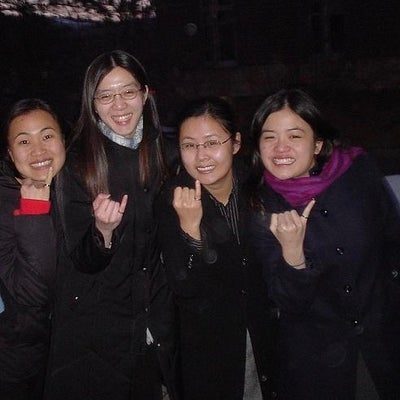
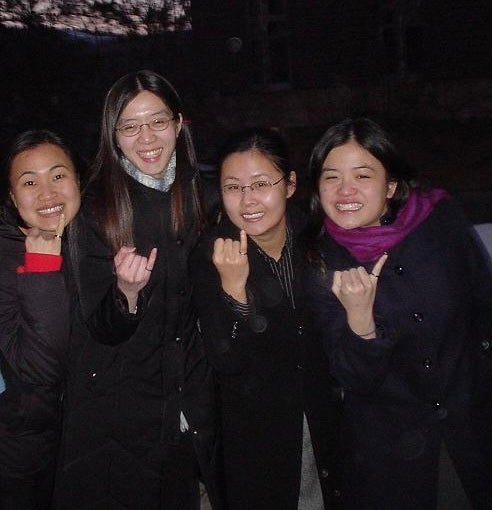
Zhang celebrates at her Iron Ring Stag with Systems Design Engineering classmates. From left: Lesley Yu, Kitty Wan, Zhang and Steph Leung.
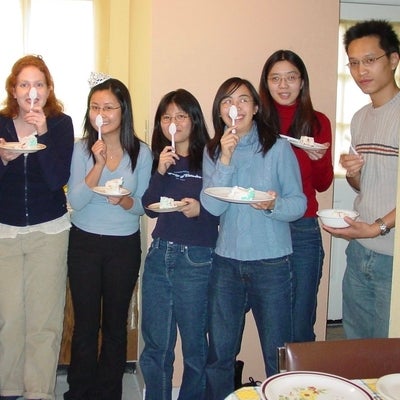
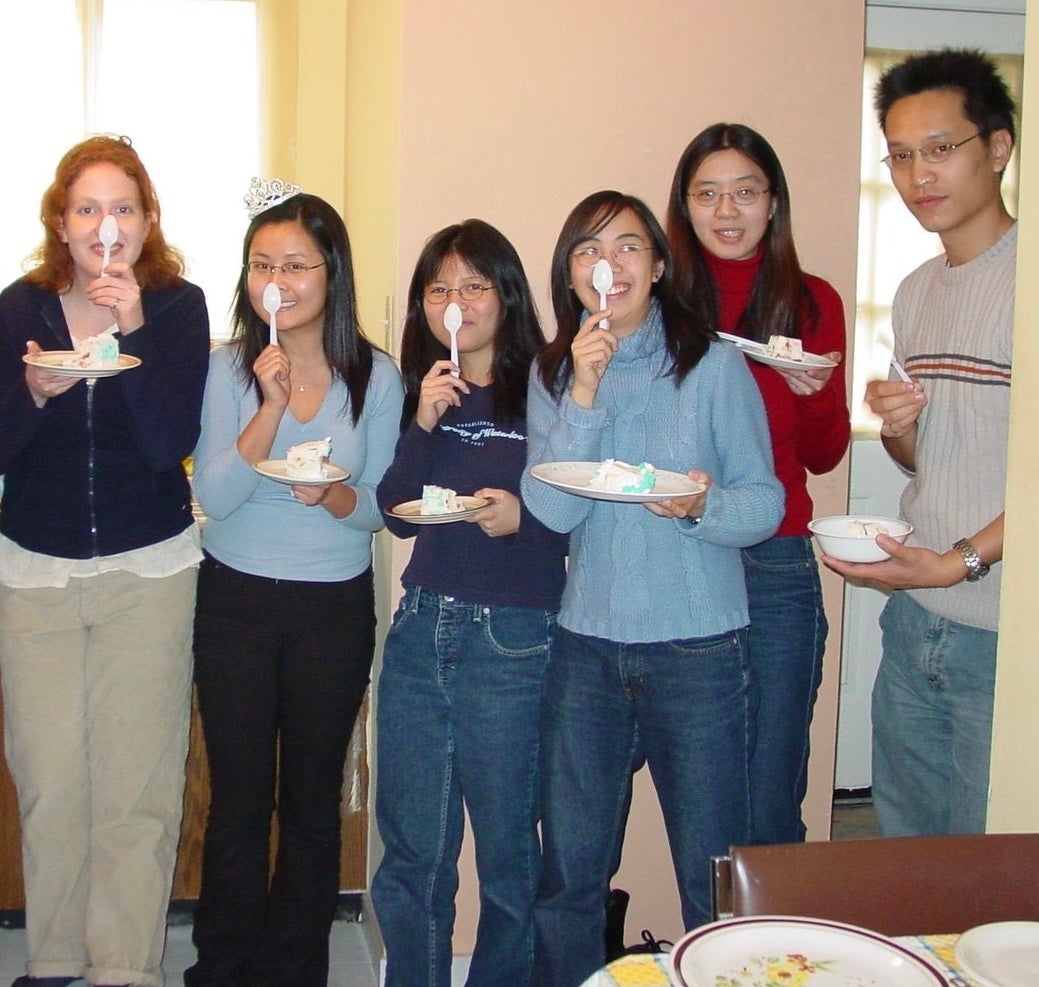
Zhang and classmates celebrate a surprise birthday on campus. From left: Sara Erhardt, Zhang, Aye San, Sylvia Ng, Kitty Wan and Bryan Mo.
Learn more
Students can find on- and off-campus support on the Health and Well-being website and through the Engineering Wellness Program.
Watch Zhang’s story in Sunnybrook Health Sciences Centre’s Out of Darkness documentary series.
Her book, Dear Younger Me: Becoming the Hero I Needed, is available for pre-order.
Photos supplied by Yollanda Zhang.