Coffee & Photo Exhibit with Ukrainian Students
In mid-May, Waterloo welcomed to campus 35 Ukrainian students whose education had been disrupted by war.
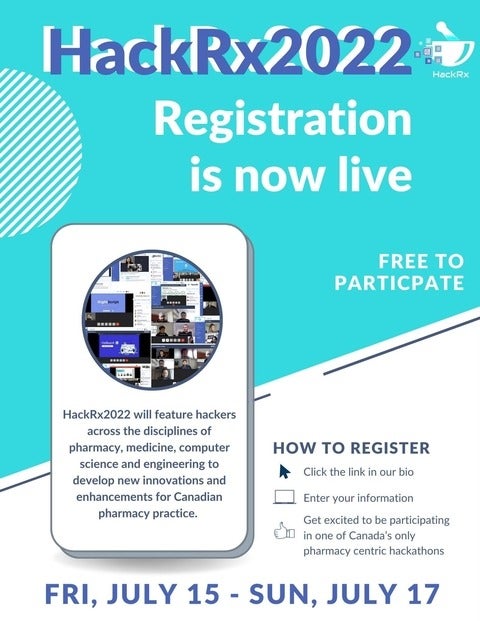
HackRx 2022 is set to take place from July 15th-July 17th. This hackathon is an excellent opportunity for pharmacy, engineering and computer science students from across Canada to build lasting professional connections among themselves and interprofessionally.
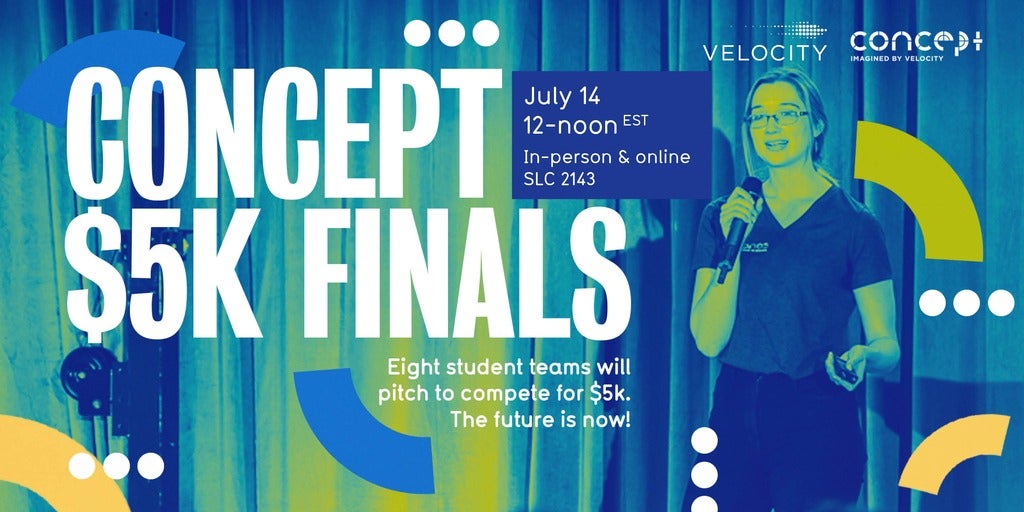
Concept $5K Finals
The Waterloo Institute for Nanotechnology (WIN) is pleased to present a WIN Seminar talk by Professor Evgeny Pavlov from the Department of Molecular Pathobiology at the New York University. This seminar will be held in-person in QNC 1501 at 10am on June 24th, 2022.
Stress-Induced Mitochondrial Uncoupling (SIMU): many ways for the mitochondrion to die
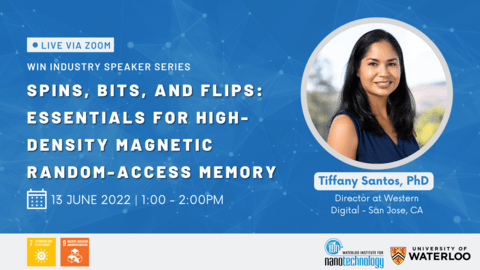
The Waterloo Institute for Nanotechnology (WIN) is pleased to present Tiffany Santos (PhD) of Western Digital Corporation as part of the WIN Industry Speaker Series. Dr. Santos will be presenting LIVE via Zoom. Registration required.
Communication networks are an essential part of our world today, used in transactions from banking to education, global business exchanges to defence.
What happens when our private information is no longer private? Powerful quantum computers will have the ability to crack the encryption of public keys that we currently use to secure our data, putting our privacy at risk.
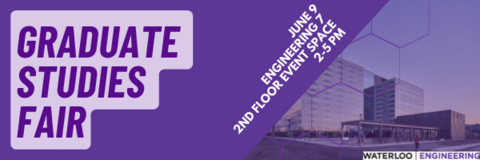
Grad Studies Fair
WaterTalk: Analytic element method solutions extend computational frontiers in interdisciplinary hydrosciences and beyond
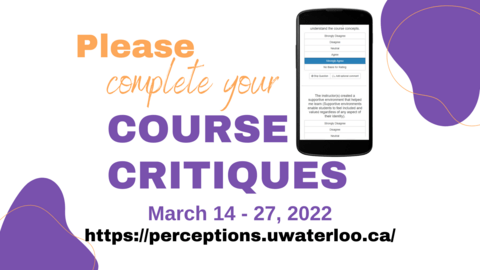
Each term, the Faculty of Engineering and the Waterloo Engineering Society (EngSoc) work together to administer student surveys known as Course Critiques. Course Critiques are open now and will close Sunday, March 27 at 11:59 pm. Please complete 100% of your surveys; student feedback is the best way we can continue to improve the student experience!
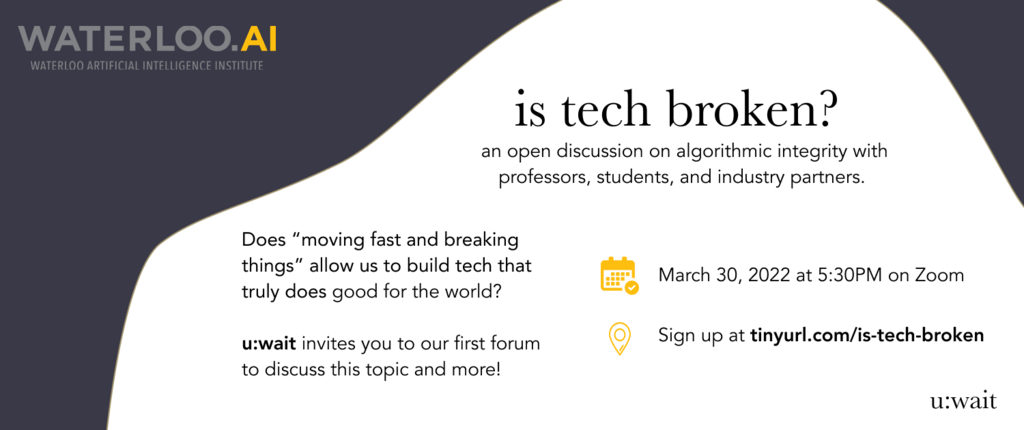
We’ve all heard the saying: to build the next big tech product, we need to “move fast and break things.” But when it comes to building AI, does this come at a cost?
We’re excited to share u:wait, a new organization at Waterloo for undergraduates who care about algorithmic integrity in tech. We believe that good AI will come from moving slowly and building with care, asking questions about how our algorithms affect society.